Bhutan, Nepal and Sikkim tour
Price
£4387 excluding flights
Convert currency:


More info
Price per person based on two paying guests on Twin/ Double Sharing.
Includes: Accommodation for 16 nights, breakfast (Nepal) or full board (Bhutan, Sikkim), local English-speaking guides, all entrance fees, transfers, sightseeing, permits/taxes
Includes: Accommodation for 16 nights, breakfast (Nepal) or full board (Bhutan, Sikkim), local English-speaking guides, all entrance fees, transfers, sightseeing, permits/taxes

Description of Bhutan, Nepal and Sikkim tour
Price information
£4387 excluding flights
Convert currency:
Price per person based on two paying guests on Twin/ Double Sharing.
Includes: Accommodation for 16 nights, breakfast (Nepal) or full board (Bhutan, Sikkim), local English-speaking guides, all entrance fees, transfers, sightseeing, permits/taxes
Includes: Accommodation for 16 nights, breakfast (Nepal) or full board (Bhutan, Sikkim), local English-speaking guides, all entrance fees, transfers, sightseeing, permits/taxes
Departure information
This trip can be tailor made throughout the year to suit your requirements
Travel guides

The Golden Triangle is a cultural journey, Kerala’s backwaters invite relaxed travellers, and Ladakh has snow leopards.

We unlock the secrets of the dzongs, Druk Path trek and Buddhist festivals in our Bhutan travel guide.
Reviews
1 Reviews of Bhutan, Nepal and Sikkim tour
5 out of 5 stars
Reviewed on 26 Aug 2025 by Jennie Martzloff
1. What was the most memorable or exciting part of your holiday?
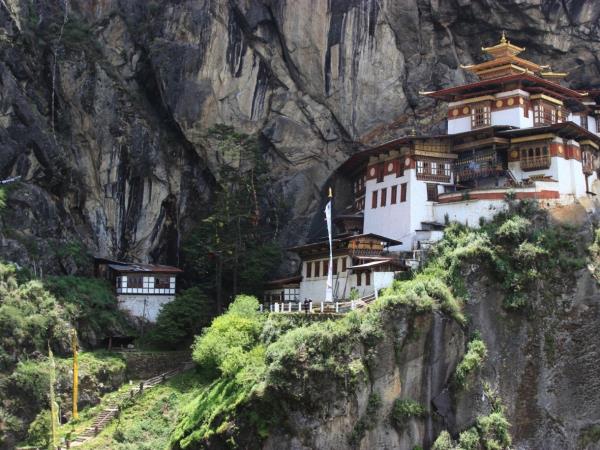
Unfortunately my husband became ill at our initial stop before the Nepal and Bhutan trip, so we were not able to visit Nepal. However, thanks to our contact at Bespoke India we were able to rejoin the original itinerary and complete the whole Bhutan tour. We really loved Bhutan. The country is beautiful, the landscapes so gorgeous, the people are warm, welcoming and interested in sharing information about their country. The Government takes tourism very seriously. They want to make it a very good experience so they train the guides (and presumably the drivers) so they are very knowledgeable. We were assigned guide and driver for our whole trip. The guide Pema spoke English very well, he was very knowledgeable and willing to talk about all aspects of life in Bhutan, including the significance of various Buddhist temples, paintings and artifacts. The most memorable part of the trip was the hike up to Tiger's Nest Monastery. It took us (myself and the guide) about 7 hours round trip, including stops for lunch and snacks, and an hour visit to the Monastery itself. I found the change in altitude
challenging at first and gradually got used to it. The guide was very helpful in leading the way. The altitude change was about 3000 ft up from the base (7300 ft) to the monastery which is at 10500 ft above sea level. It's the hike every Bhutanese is supposed to do at least once. Beautiful views and interesting temples in the Monastery.
2. What tips would you give other travellers booking this holiday?
We booked this as a trip for two since it was off season and we had a time constraint we were working within.That worked very well. The hotels (we chose to upgrade from the 3 -star to 4-star) were lovely and had great food. Their special settings added to the trip. We travelled during August because of an event we needed to attend, however we were unsure if travelling in the monsoon season was a bad idea. It turned out that we only experienced one, 1-hour downpour in our 5 days in Bhutan (we understand that Nepal is considerably wetter, and roads sometimes wash out), so that was not an issue. The temperature was moderate mid 60s F to mid 70s F, so quite pleasant. The benefit of travelling in off season was that the roads, sites, and hotels were not inundated with tourists. I can imagine that travelling in spring our fall the visitor may spend considerably more time on the road in traffic behind other cars since there is only one main road through the country.
3. Did you feel that your holiday benefited local people, reduced environmental impacts or supported conservation?
Yes, visitors are very welcome in Bhutan. The daily tourist fee per person levied by Bhutan government and included in the cost of our trip, pays for free education and healthcare for the Bhutanese people. Tourism is the second largest source of income for the country. Our guiding, dining, hotel stays and tickets to the sights we visited benefited the local people who work there. We were careful to not bring in items we would need to discard there (ie packaging) and didn't create a lot of waste.
4. Finally, how would you rate your holiday overall?
This was an excellent trip due in part by the planning and organization of the operator who, through our conversations initially to customize our trip made it fit for us, and, once we got started, helped us reorganize the trip so we were able to reach Bhutan even though we needed to cancel our Nepal visit. The country, people, our guide and driver in Bhutan were excellent and added to memories of the trip.
Responsible Travel
As the pioneers of responsible tourism, we've screened this (and every) holiday so that you can travel knowing we've worked to maximise the benefits of your holiday to local people and places, and minimise any negative impacts.
Planet
An incredible journey to 3 Kingdoms where tourism aligned with sustainability and local ethos are lived. The charming mountain kingdom of Bhutan for example is the only country in the world that measures its citizens’ Gross National Happiness. By visiting Bhutan you help to preserve and sustain one of the world's 10 most biodiverse regions, with 72% of pristine forest cover. On your trip we will ensure that we respect the countrys sustainability & happiness rules and customs to the most by working with local partners, using local food and resources, and by educating our staff and our guests as much as possible.Both Bhutan and the state of Sikkim have gone 100% organic in their farming, which will do good to your health and support these practices, as a real role-model and inspiration.
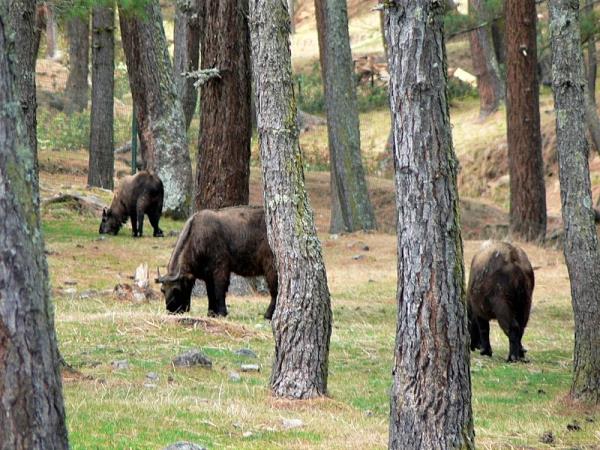
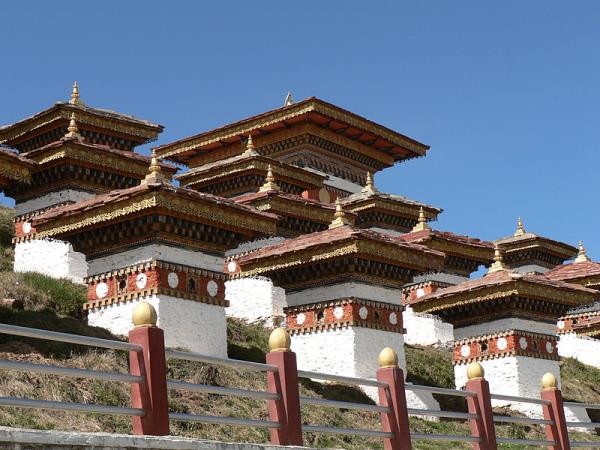
This tour is one with a lower ecological footprint in general, as it includes plenty of hikes, trekking and the visit of natural and cultural sites and monasteries (for example hikes to Dochula Pass, Takin Sanctuary, the Monasteries of Tango, Cheri, the Kila Nunnery, Tiger's Nest...). We promote excursions which foster a more sustainable tourism and we commit to maintaining small-group sizes for the excursions on your trip, in order to limit negative environmental impacts in accordance to the carrying capacity of the visited site.
There is a particular focus on this trip of maintaining the traditional way of life, the simple local food, and the traditional cultural environment based on eco-tourism concepts while generating economic benefits for rural populations in ways that are environmentally and socially responsible. Our core principle is to respect and enhance these values by encouraging our travellers and guides to keep the extra unneeded waste to a minimum in all our tours through our “bring it in, bring it out” policy for litter and rubbish such as food packaging and recycling wherever possible.
Nature
By visiting the three states' parcs and treks, you will directly contribute to conserve their native wildlife and natural environment. Bhutan hosts more than 770 species of birds and over 165 species of animals, which roam free in the country’s 5 million acre network of protected areas. In Sikkim, nowhere in the world in such a small area can one find flora and fauna of all varieties than here. Sikkim's botanical and zoological richness is awe-inspiring, boasting of more than 4000 species of plants and 30% of all the birds found in the Indian sub-continent. Amongst the mammals of Sikkim are the rare Snow Leopard, Himalayan Black Bear, Red panda, Musk Deer, Blue Sheep, Shapi, Common Langur, Leopard Cat, and the Flying Squirrel. We work with licensed local trekking guides who are officially trained in the necessary trekking, mountaineering, environmental and cultural issues relevant to the country’s eco-tourism policies.
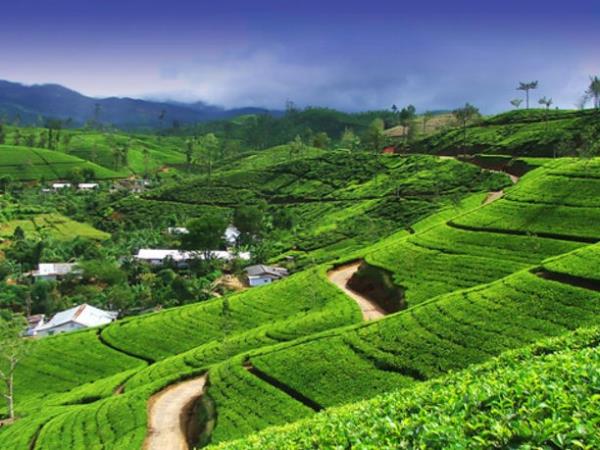
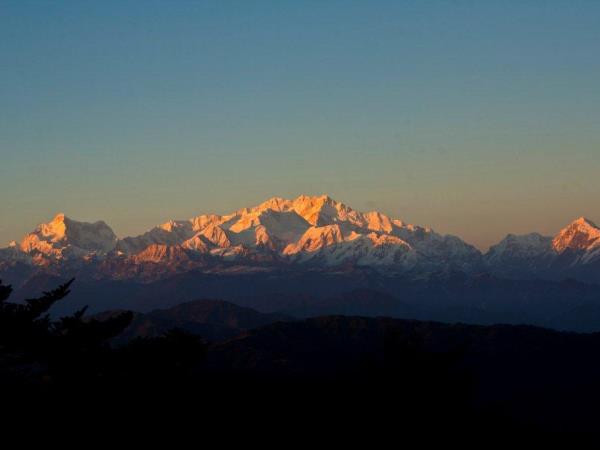
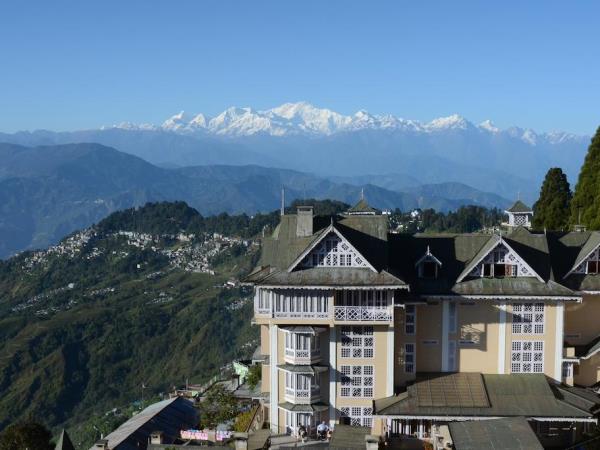
You will visit Darjeeling, set against the jaw-droppingly gorgeous backdrop of the snow-covered Himalayas and surrounded by the phenomenal forests and streams. The little village of Mineral Spring is a community knit together by strong cultural values that have made it a model of sustainable growth. Two of these values are commitments to traditional agriculture and to protecting the region’s incredible biodiversity. This vibrant ensemble of small farms has been producing high-quality and certified organic Darjeeling tea since 1998 – even competing successfully against large corporate tea companies – without losing sight of the health and long-term preservation of their local environment. All of this is particularly important given the adjacent Senchal Wildlife Sanctuary, whose resident birds and wildlife such as rhesus monkeys, barking deer and Himalayan flying squirrels know no borders.
Building & Conservation
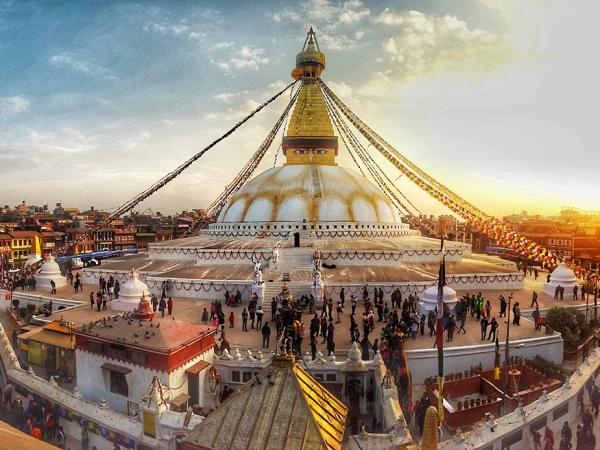
Your visits to the monasteries, temples and buildings in this tour will directly help the preservation and maintenance of important historical sites, such as the Unesco World Heritage sites Hanuman Dhoka in Kathmandu, Swayambhunath, or Paton Durbar Square, all of outstanding universal value for their religious, symbiolic and artistic values.
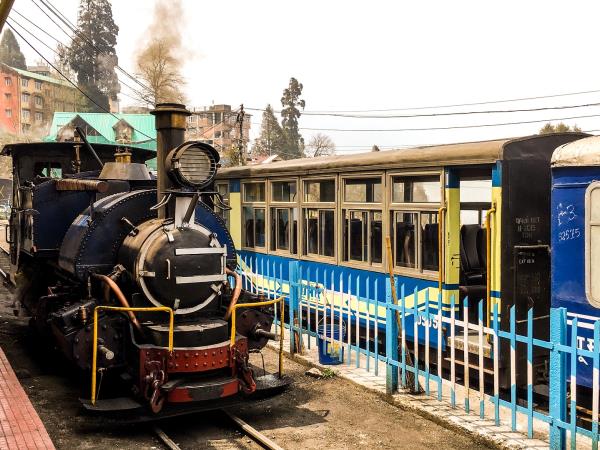
Another highlight is the Toy Train ride in Darjeeling. The toy train and stations of Darjeeling were declared World Heritage sites, which you will support to maintain with your visit.
Accommodation
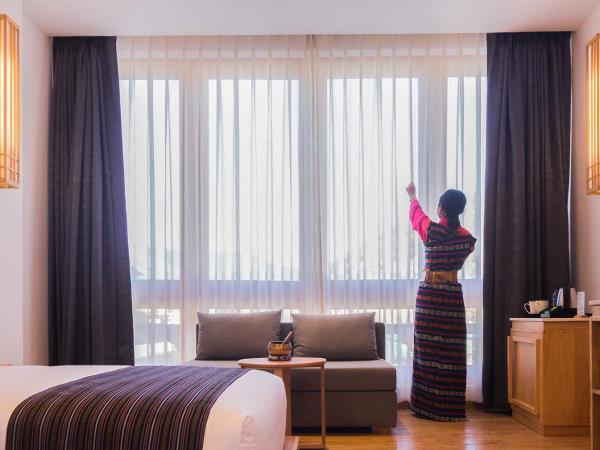
We focus on promoting the culturally most authentic accommodation experience. Priority is given to boutique hotels or accommodation directly managed by the local owners, where the travelers can find the natural hospitality and ambience suitable to the areas’ archeology, environment and culture.
° We take your for example to the small Hotal Olathang, beautifully perched on a hill amidst 28 acres of blue pine forests and greenery. At Hotel Olathang guests can enjoy an ambience of peace and tranquility, always in close intimacy with nature. The architectural heritage design and structure of its facilities present a purely Bhutanese touch and feel.
° You also stay at Pelyang Boutique hotel, that serves mainly vegetarian dishes, that are made from fresh, organic, and locally produced vegetables from Bhutan. Their organic produce vendors come from local farmers, where minimum pesticides or chemicals are used, hence developing the richest flavors and healthy as well.
° Another unique hotel we chose for you is Baradighi The Bungalow, a luxury wildlife resort, hidden in the lush greenery of Dooars Valley. The iconic heritage hotel is a tea resort - offering 507 hectares of tea plantations. The lush forests surrounding the property are home to a diverse range of flora and fauna. Most of the food served at Baradighi is grown organically in their Kitchen Garden. You also have the opportunity there to plant a tree in your name!
° A highlight of your tour is surely staying at these two heritage hotels - hence contributing to the conservation of the culture and history of the regions - The Elgin Mount Pandim and The Elgin Darjeeling.
Surrounded by acres of virgin pine forest and facing the majestic snow-capped peaks of the Himalayas, The Elgin Mount Pandim was built in 1942 by the King of Sikkim and served as a Royal retreat for the Royal family of Sikkim offering one of most fantastic locations in the region of Sikkim.
The building of The Elgin Hotels & Resorts in Darjeeling was originally built in the year 1887 around a beautiful garden and designed as Manor House. The property was originally owned by the Maharaja of Cooch Behar and leased to a succession of British families such as the Pavion and Oakley families.
People
We only work with local guides that come from the very region you are visiting, giving back to their families and communities. The hotels we choose are dedicated to empowering and creating opportunities for the local community through training and employment and respecting the environment through low impact design and green operational practices.If you do want to shop, we will guide you to local markets where local artisans craft their products or local farmers sell their organic produce, which will help keep the money earned in that very community. In Thiumpu for example we will take you to the local traditional market where all village people assemble to sell their products (vegetable, fruits etc.). We will take you to local town restaurants with typical Bhutanese red rice and curry. There are also several Handicrafts shops: A wide assortment of colorful, hand woven textiles and other craft products.
This is a tour where you can learn a lot about the many Buddhist monks and their ways of living, especially in the Sikkim monasteries. For it is here the air breathes peace and folks live in harmony. Mountains sing lores of legend, and the ancient monasteries are echoing with holy chants. These Buddhist monasteries in Sikkim are special not just because they are scenic and immersed in the soft aroma of alpine but also because of the great legacy they carry. Behold them for the fine architecture, ancient existence, and incredible surroundings. Perched atop the mountains most of these Buddhist monasteries in Sikkim are scattered across the length and width of the state. A majority of these monasteries belonging to the 17th and 18th century stand wearily today.
Local experiences and interacting with the locals are important to us. We take you to a Bhutanese farm house in Paro for example, where you can gain an insight into the lifestyle and culture of the local people – an exchange of cultures and wisdoms which will benefit both the family and you. Most importantly, we are helping you to create lifelong memories by reconnecting you with yourself and your loved ones in this unique country.
Ever mindful of the difficulties involved in maintaining traditional ways of life and protecting nature, local farmers in Sikkim have started harnessing the power of community-based tourism as an opportunity for additional income. Our partner has designed several village tourism concepts in the entire eastern Himalayas, mainly in Darjeeling and Sikkim region and included as many village activities as possible to give the tourists a real taste of village atmosphere.
Priority has been given in selecting the villages where the villagers have maintained their own traditional customs, practices and rituals. Each of the selected villages differs in landscape, language, customs and practices from the other allowing the tourists to experience the vast ethnic diversity. Special arrangements are done for the tourists for accommodation where the typical village houses are used as home stays. Each village home stay is designed in typically traditional style, which reflects its own architecture and presents a basic but comfortable stay. During the stay in the village houses tourists can experience the organic cultivation, taste the local cuisine and drinks and also take part in the cooking process and other household activities with their hosts.
Popular similar holidays


Bhutan highlights tour, 7 days
From £2217 7 days excluding flights
A Festival & Photographic journey in the Happiness Kingdom

Buddhist Bhutan cultural tour, Black necked Crane Festival
From £2795 11 days excluding flights
Discover Bhutan's highlights and rare black-necked cranes