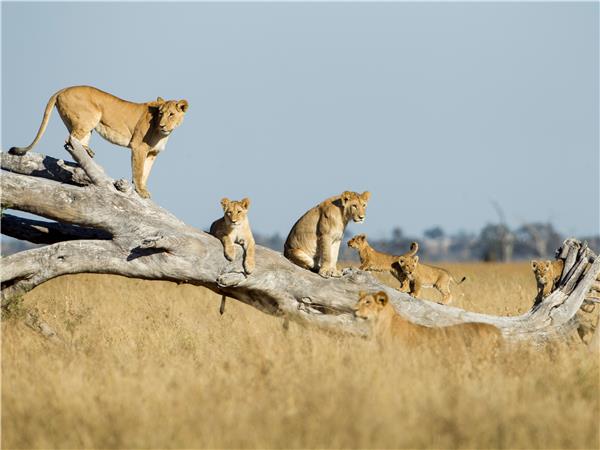
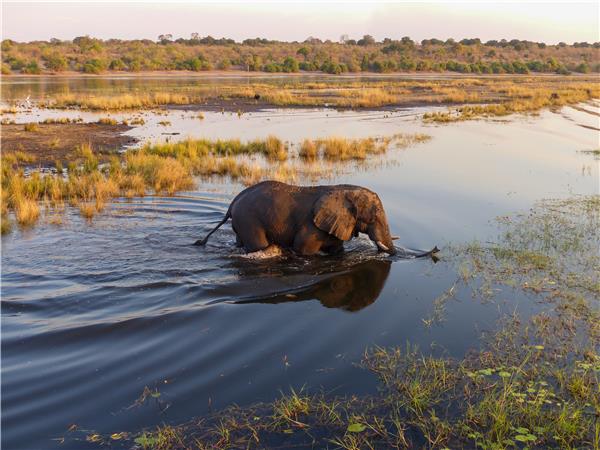
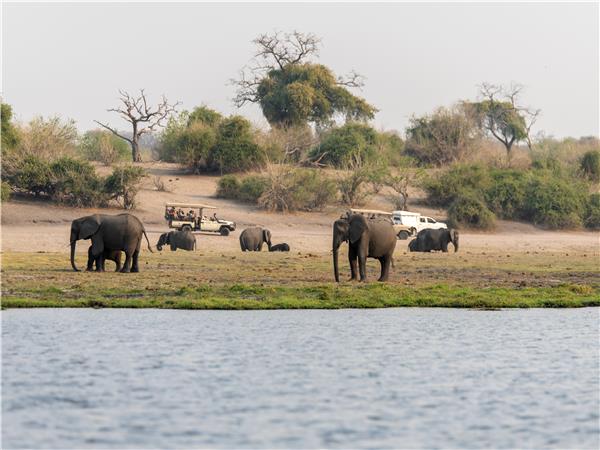
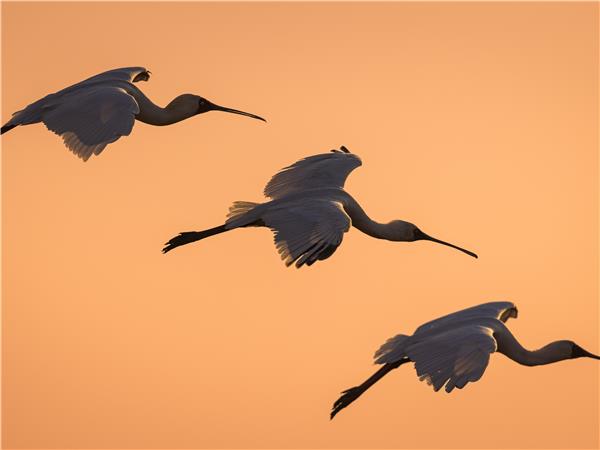
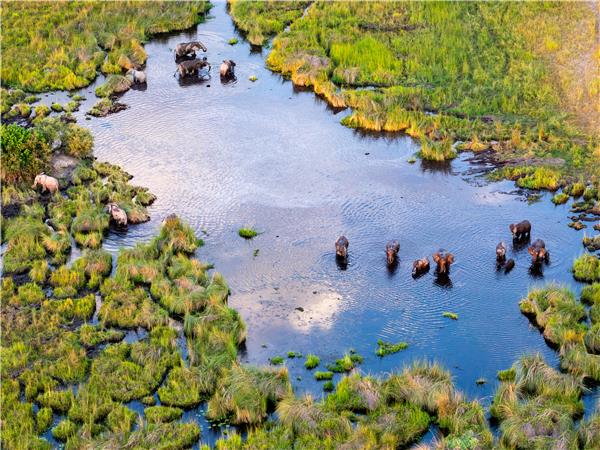
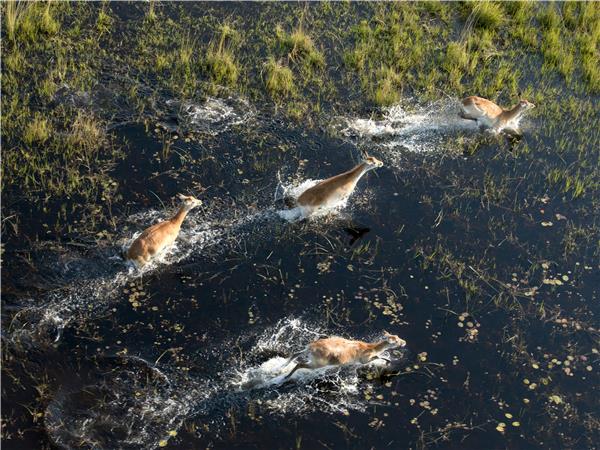
Take your time over the course of two weeks to really experience southern Africa with everything from Victoria Falls and Chobe National Park to the Okavango Delta and Matobo National Park, combining to great effect on this quintessential Botswana and Zimbabwe lodge safari.
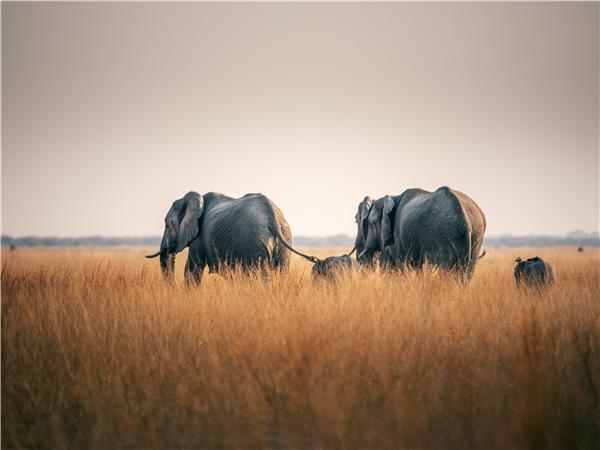
This is your chance to explore southern Africa overland where herds of elephants can be found alongside rhinos and wild dogs as leopards hang their limbs from tree boughs and you experience the very best of adventures on a Botswana and Zimbabwe lodge safari.
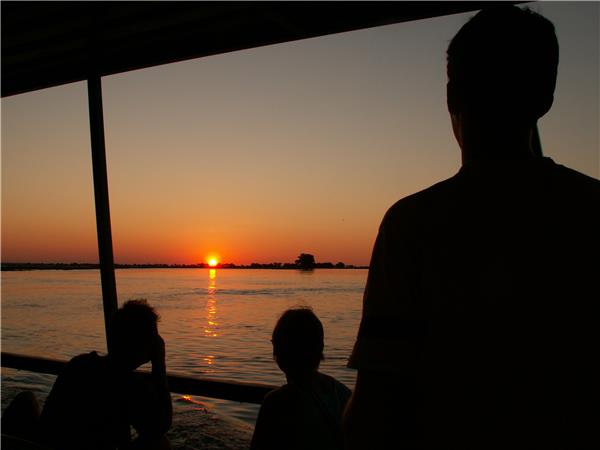
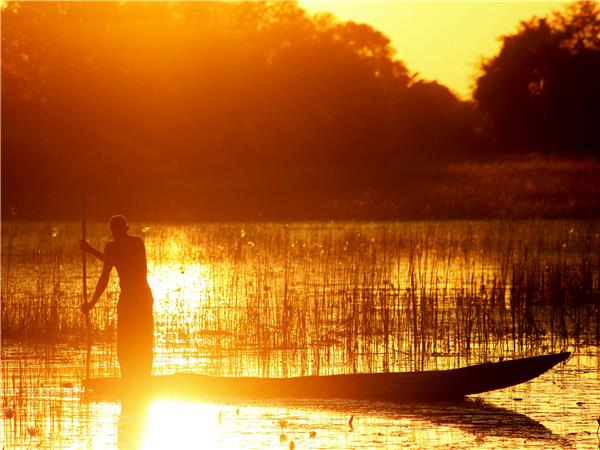
Some of the sunsets are simply amazing although the night’s sky filled with stars is pretty inspiring too so take a step back from the norm and clamber aboard for a Botswana and Zimbabwe lodge safari that shines as vividly as the salt shimmering over the Magkadigkadi Pans.
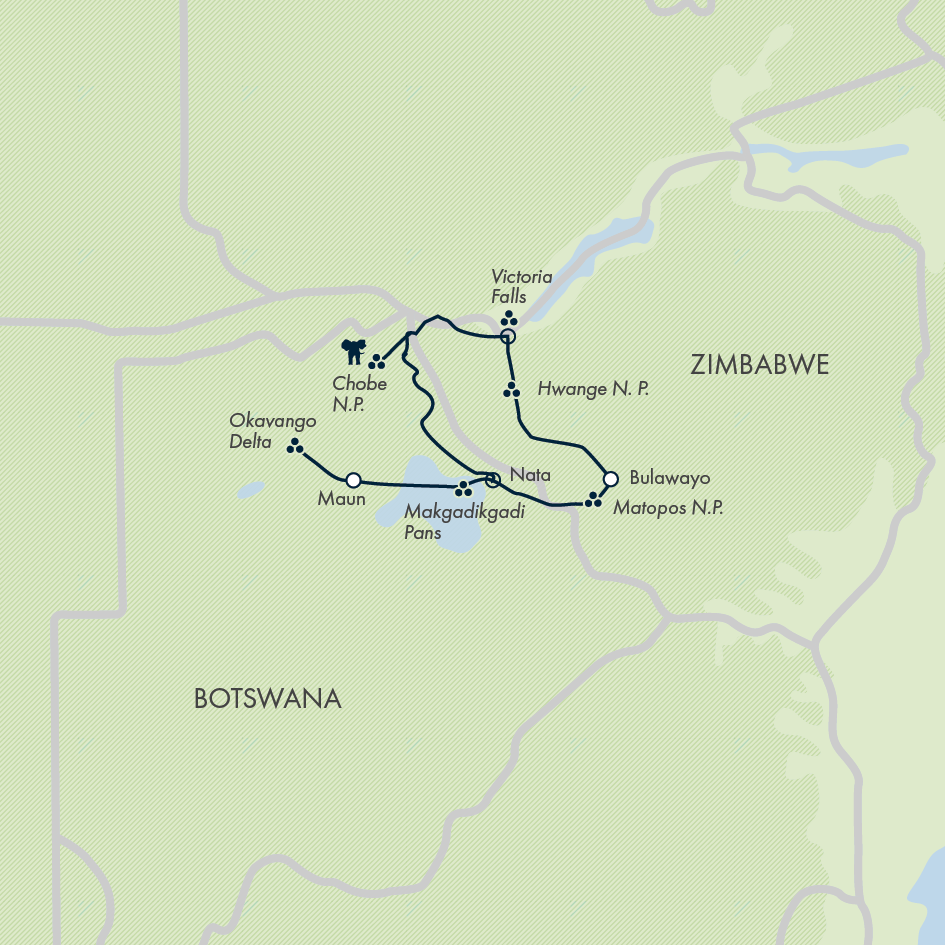
Map
Price information
£4599£4139To£5299excluding flights
Convert currency:
Optional single supplement from £755 - £790. Minimum age 16.
Contact Us
If you'd like to chat about this holiday or need help finding one, we're very happy to help
Returning to a revitalising hot shower after a long, dusty safari - that's the beauty of staying in a lodge.
Holiday information
Small group tour, ideal for solos & couples:
Small group travel is not large group travel scaled down. It is modeled on independent travel – but with the advantage of a group leader to take care of the itinerary, accommodation and tickets, and dealing with the language. It’s easy to tick off the big sights independently – but finding those one-off experiences, local festivals, travelling markets and secret viewpoints is almost impossible for someone without the insider knowledge gained from years in the field. For those with limited time, a small group tour will save valuable time in planning, and on holiday.
Reviews
1 Reviews of Botswana and Zimbabwe lodge safari
5 out of 5 stars
SHOW
1
0
0
0
0
Reviewed on 28 Nov 2024 by Tim Searles
1. What was the most memorable or exciting part of your holiday?
Seeing the Painted Dogs in Hwange and the mother white rhino laying down and suckling her calf just metres away from us.
2. What tips would you give other travellers booking this holiday?
Embrace and enjoy everything.
3. Did you feel that your holiday benefited local people, reduced environmental impacts or supported conservation?
To a certain extent, yes.
4. Finally, how would you rate your holiday overall?
I was lucky enough to travel with 7 wonderful people and we all had an amazing trip. This was largely down to our excellent guide (Sisa) and driver (Gift).
Responsible Travel
As the pioneers of responsible tourism, we've screened this (and every) holiday so that you can travel knowing we've worked to maximise the benefits of your holiday to local people and places, and minimise any negative impacts.
Planet
Charity: We support the Save Our Sausage Trees initiative in Botswana, which aims to address the issue of depleting forests in the area. The Mekoro is a boat used by the people of the Okavango Delta and it is crafted traditionally out of a single mature Kigelia Africana tree (or sausage tree). Although increased tourism has had some obvious benefits to the area, this has also brought a higher demand for Mekoro boats and therefore more trees are being cut down. As a wooden Mekoro only lasts about 5 years, there are hundreds of these trees being felled per year and not enough to sustain this. We have consulted with the Okovango community, and we have agreed to pay half the price of a fibreglass Mekoro if a poler wants to purchase the other half, in order to save the trees.
UK Office: It all starts at home so we have first worked at reducing our carbon footprint in our UK Offices. Through energy conservation measures and recycling policies, we are proud to be actively reducing the waste produced and our impact on the environment. We support various projects all over the world to try and give something back to the places we visit.
People
Accommodation & Meals: You will spend most nights in chalets, 2 nights in a hotel and 2 in comfortable, full service camping. We predominantly use small businesses for accommodation in order to keep investment local and benefit the communities we visit directly. Campsites and lodges used are locally owned and a percentage of their income goes towards, schooling, or nature conservation & community projects. We strive to always leave a campsite in a better condition than when we arrived and to use gas whilst cooking instead of using limited firewood resources. Almost all meals are provided and your local tour leader will endeavour to source fresh produce wherever possible. Meals might include fresh fruit, cold meats and cheese, potjies (stew) or braais (barbecue) etc.
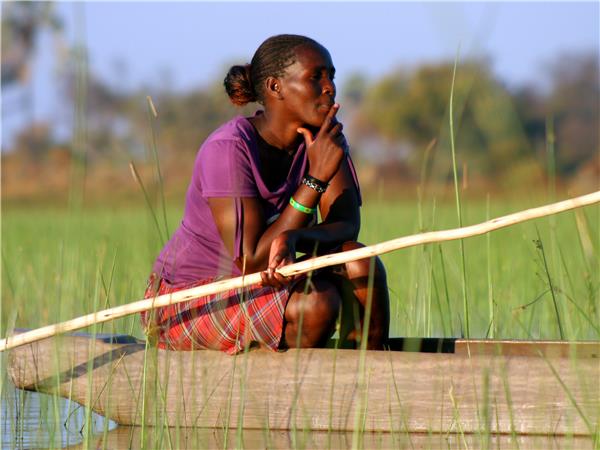
Community: We spend two day and nights with the polers from the Poler’s Trust in the Okavango Delta. This is a community based project, which was formed with the aim of creating an eco-tourism business which would benefit all of the people in the area. By using these facilities and going on boat tours with the Poler’s Trust, we ensure that we are helping the local community by providing employment and supporting environmental initiatives. At this camp, you can also explore the many facets of traditional African life, which promotes cultural exchange: participate in BaYei and Hambukushu music and dancing, see how delicious local food is made and buy handmade souvenirs like woven baskets.
A Fair Deal: We work closely with our local operator and ensure that all of our guides are local and that in exchange for their expertise on the wildlife, environment and culture that they are paid and treated fairly. The leaders will give a briefing on Responsible Tourism issues to help you understand how you can help reduce your impact and maximise the benefits to the local community from your visit. By supporting and employing these people we are helping to ensure that their wildlife areas, scenic beauty and historical significance generate value for the community and are therefore appreciated and protected from development and exploitation. For example, we employ local site guides in Chobe National Park and several other conservation areas.
Group Size: This small group tour has a maximum of 12 participants, meaning that we have a low impact on the environments and communities we visit and are able to ensure that we do not disrupt or lead to the displacement of local people. The small number also allows us to stay in unique, family-run hotels that cannot benefit from coach tours and other mass tourism due to their limited sizes.