Our Dordogne holidays & tours
Our Dordogne holidays immerse you in one of the most beautiful regions of France. And if you know France, you know that’s really saying something. The Dordogne is an absolute joy for those who like to relax in style, with Michelin-starred restaurants and cosy cafes scattered between more than a few rather lovely vineyards. Walkers and cyclists will delight in delightfully scenic, uncrowded trails, while you can also canoe along one of the cleanest rivers in Europe. Our holidays in the Dordogne are typically tailor made affairs, letting you choose your own routes, your own schedules. But behind the scenes we’ll arrange welcoming, locally run hotels for you, even chateaux if the mood takes you, and we’ll also provide you with useful tips on the best local restaurants and shops to seek out along the way.
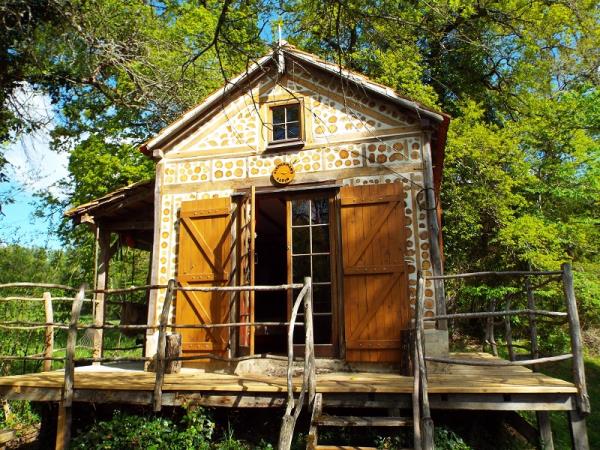
Dordogne self catering cabin sleeping 4
Off-grid, off-beat self catering cabin
From
€690 to €960
per week (sleeps 2-4)
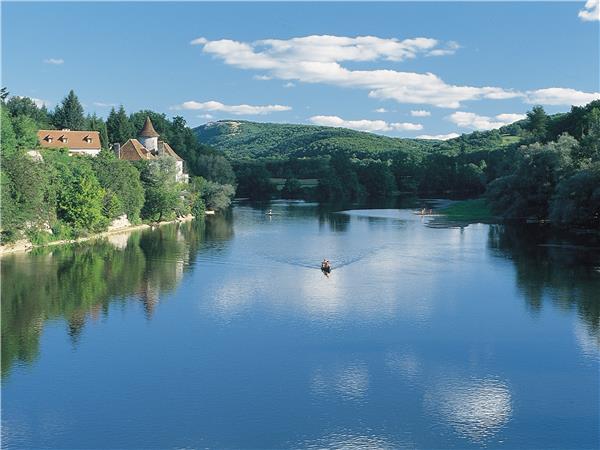
Dordogne canoeing holiday in France
Explore one of France's most interesting waterways
From
£1299 to £1369
9 days
including return by train
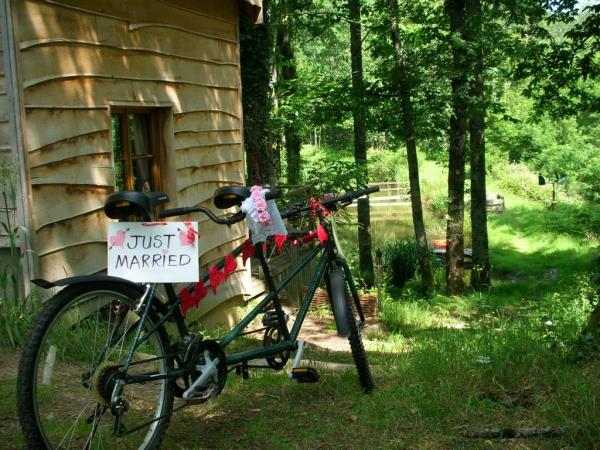
Honeymoon accommodation in the Dordogne, France
A secluded woodland cabin in Dordogne, SW France
From
€1040
per couple per week
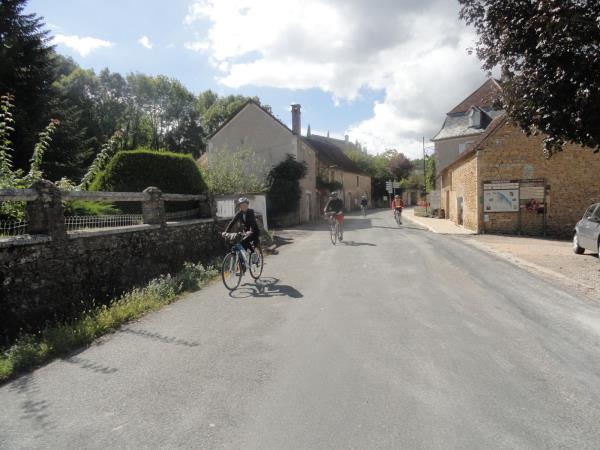
Dordogne cycling tour, France
Ride through remarkable Perigord and Quercy countryside
From
€1060 to €2385
8 days
ex flights
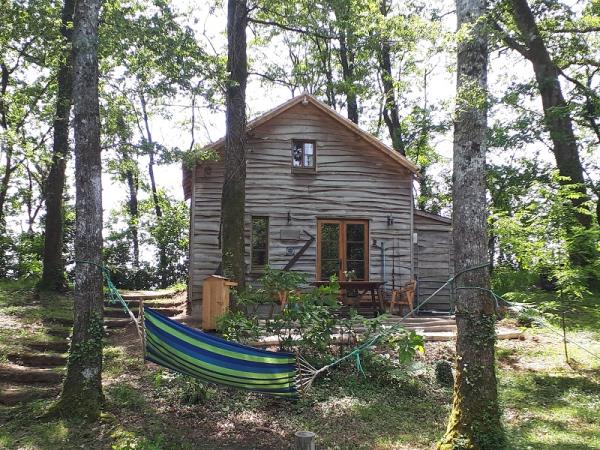
Dordogne self catering accommodation
Splendid isolation! Your very own cabin in the woods!
From
€690 to €960
per week (sleeps 2)
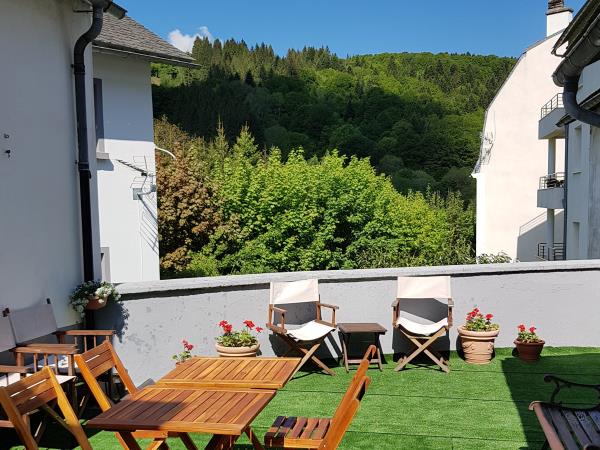
Puy-de-Dome accommodation in Auvergne
Friendly B&B in a French Spa town
From
€34
per person per night


Contact Us
Call us for a chat about our holidays. We are happy to discuss your holiday and help in any way we can. No bots, queues or awful hold music.

01273 823 700
Call us until 6pm
Calling from outside the UK



Dordogne map & highlights
We use the term Dordogne loosely in this guide – the beauty of the river, its gorges, chateaux and waterside towns don’t end with the administrative borders of the Dordogne department. Ignore neighbouring Lot at your peril, where the impossibly perched village of Rocamadour clings to a cliff face, and fairy-tale Carrenac and bustling Souillac are all unmissable stops on a Dordogne holiday. Be warned though, the Dordogne is popular, especially in July and August when its prehistoric sites can be packed out. Ticketing systems are in place at the Lascaux Caves, for example, to control visitor numbers and preserve the site, so you’ll need to book in advance, or best of all visit outside peak times.
1.
Carennac
2. Dordogne chateaux
3. Dordogne River
4. Périgord Noir
5. Périgord Vert
6. Prehistoric art
7. Rocamadour
8. Sarlat-la-Canéda
2. Dordogne chateaux
3. Dordogne River
4. Périgord Noir
5. Périgord Vert
6. Prehistoric art
7. Rocamadour
8. Sarlat-la-Canéda
Carennac
1. Carennac
A swathe of red-tiled turreted roofs adorn the cottages and 16th-century mansion houses of Carennac, one of the most beautiful villages in the Dordogne Valley. Reach it by bike, or by boat for the best views and don’t miss a chance to sip a Fenelon when you get there – the sweet, ruby-red local aperitif made from red wine, walnut juice and crème de cassis.
Dordogne chateaux
2. Dordogne chateaux
The Loire Valley may be France’s chateaux-central, but nowhere does downright dramatic like the Dordogne. Canoe the short stretch of river between Carennac and Meyronne and you’ll pass no less than four perched atop the limestone cliffs. Don’t miss the view of the river from the Chateaux de Beynac, or head into the Périgord Pourpre to the imposing Chateau de Biron, sat on a hill with panoramic views across ancient forests and farmland.
Dordogne River
3. Dordogne River
Cutting through the dramatic limestone gorges of the Périgords Poupre and Noir, the twists and turns of the forest and cliff-lined Dordogne River are best explored by canoe. Leisurely that is – as you’ll need plenty of time to wonder at the villages tucked into the rock faces, elaborate perched chateaux, and to hop out for a munch of a tasty menu du jour.
Périgord Noir
4. Périgord Noir
So named for its deep dark forests – not, as is often touted, for its abundance of delectable black truffles – the ‘black’ Périgord is home to spectacular villages like La Roque Gageac, carved out of a cliff face in the hollow of a meander in the Dordogne River, medieval Sarlat and honey-coloured Carrenac. This is also the Dordogne’s culinary heartland, home to delicacies such as confit de canard. And truffles, of course.
Périgord Vert
5. Périgord Vert
One of the lesser-known and most rural parts of the Dordogne, the Périgord Vert is home to deep green forest and rolling grasslands, crisscrossed by streams and topped with rocky promontories – and the odd chateau or three. A handful of quiet small towns and pretty little villages are as busy as this tranquil area gets – making it perfect for off-grid hideaways in the heart of nature.
Prehistoric art
6. Prehistoric art
Some of the world’s most significant collections of prehistoric cave art are found in the limestone caverns littering the Dordogne. Perhaps most spectacular of all are the Lascaux Caves, discovered in 1940 by four teenagers searching for their lost dog. Tours run through atmospheric multimedia-generated reproductions (visiting the real thing is too damaging), and can be combined with other prehistoric sites in the Vézère Valley. All can get very busy – so ideally visit outside peak times.
Rocamadour
7. Rocamadour
Just south of the Dordogne Valley in the Lot, the spectacular village of Rocamadour clings precariously to the side of a near vertical cliff. Just 15km from the river, France’s second most important religious site is a popular side trip on canoeing holidays. Make the pilgrimage by bike – or on foot – although climbing the steps to the Basilica on your knees, à la France’s Kings of the past, is optional.
Sarlat-la-Canéda
8. Sarlat-la-Canéda
One of France’s oldest fortified towns, and once the biggest medieval town in Europe, Sarlat is astoundingly well-preserved and untouched by recent history. Its maze of central streets is practically car free making for easy – although on-foot exploration. Be warned though, it remains one of France’s major centres of foie gras production, with factories and local farmers practising traditional force-feeding techniques.
Our Dordogne holidays reviews
4.7
10Dordogne holidays reviews
Marie-Madeleine Friberg28 Apr 2025
Good [holiday]. Cycling on wonderful country roads, arriving in Rocamadour. 4 stars.read more
Chandra Kant Sharma05 Oct 2023
The cycling route was quite amazing and beautiful.read more
Karen Turnbull09 Sep 2019
Loved every moment, I would highly recommend it.read more
Sarah Weiner16 Aug 2019
We loved just sitting on the deck watching the lake. So tranquil! The kids
loved fishing from the raft and exploring. The cabin was so beautifully
designed and had lots of games and nice touches like art materials and spices for cooking.
read more




.jpg)


.jpg)


