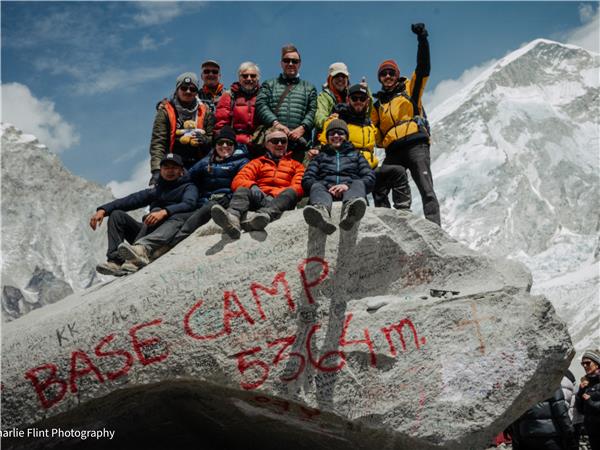
Take your time to acclimatise and soak up the scenery on this 17-day small group expedition to Everest base camp, where you'll camp for two nights before making the descent.
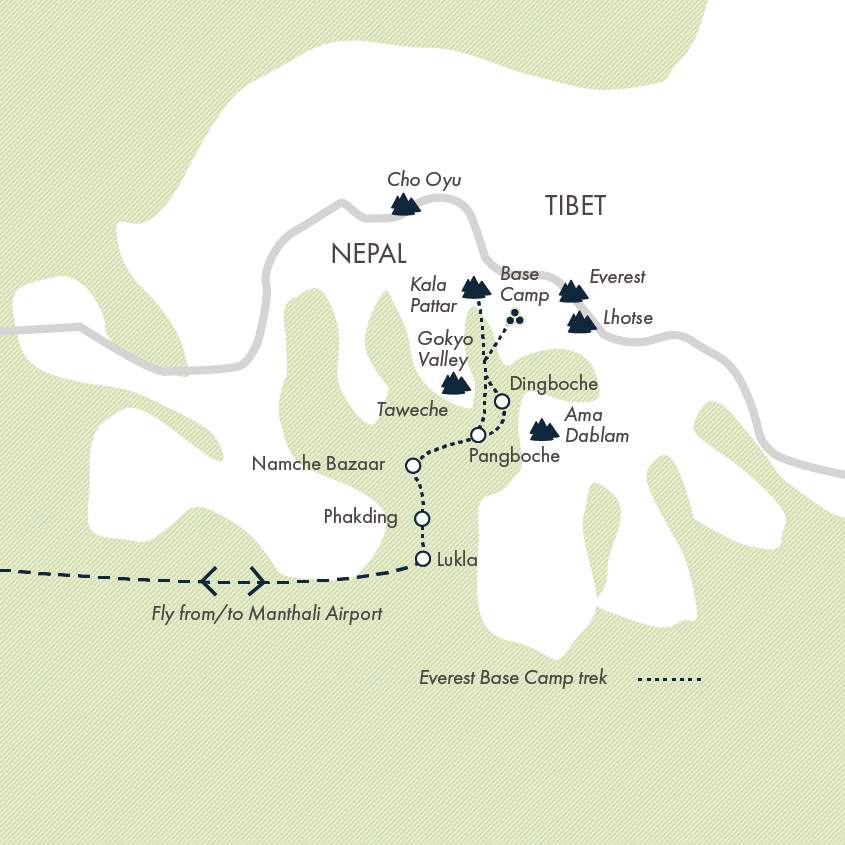
Kathmanduflight to Lukla (2800m)trek to PhakdingDudh Kosi to Namche Bazaarwalk to Kunde and Khumjungdescend to KyanjumaThyangboche MonasteryKhumbu ValleyImja Valley to Dingbocheascent to LobujeKhumbu Glacier to Gorak ShepEverest Base Campdescent to PhericheNamche to Monzo
Price
£2275£2045To£3995excluding flights
Convert currency:
Duration
16 Days
Type
Small group
CO2
270kg
More info
Optional single supplement from £165 - £175. Minimum age 16.
Offers
Up to £230 off selected dates. Late availability on upcoming trips - enquire now!
Any Everest base camp trek is going to be memorable and as this incredible 19 day expedition goes to prove stepping foot onto the highest mountain on the planet is one of the most exciting experiences that you’ll ever encounter.
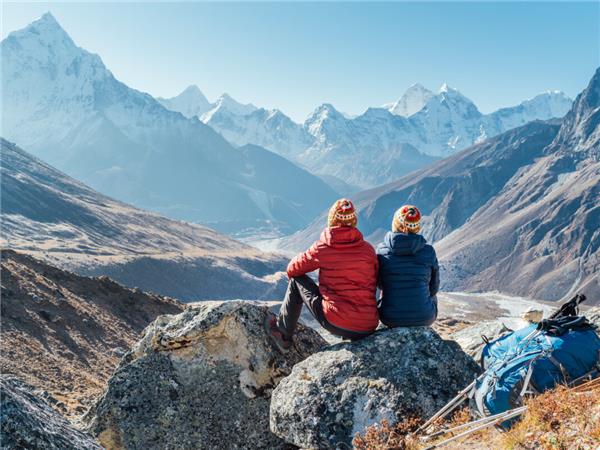
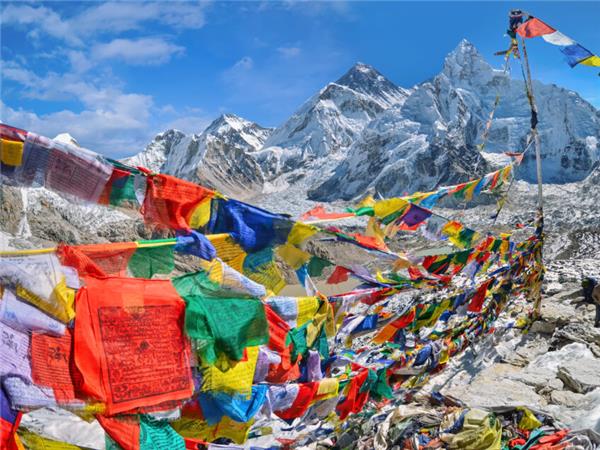
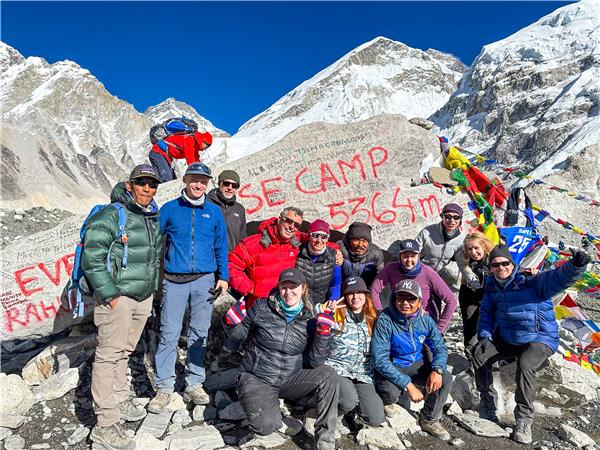
As Mount Everest towers above at nearly 9000metres this Everest base camp trek gives you the chance to really take it all in with two nights camping at the famous base camp giving you chances to step on to Khumbu Ice Fall and observe the drama of crews preparing to summit.
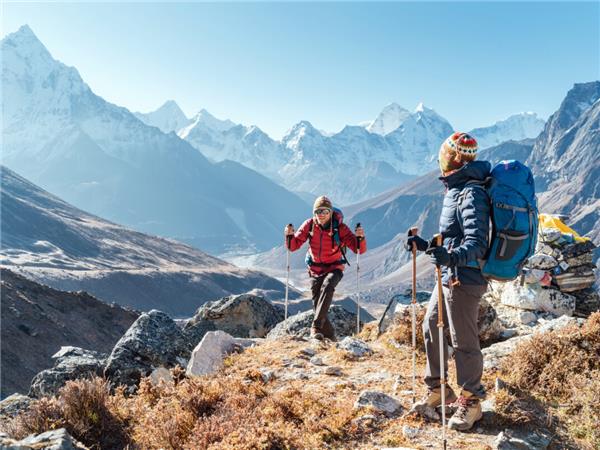
This 19 day Everest base camp trek has been specifically designed to enable acclimatisation to take place without the need to rush, with stunning high altitude Himalayan landscapes and the amazing Thyangboche monastery both providing just a couple of scenes to stay long in the mind's eye.
Map
Price information
£2275£2045To£3995excluding flights
Convert currency:
Optional single supplement from £165 - £175. Minimum age 16.
Contact Us
If you'd like to chat about this holiday or need help finding one, we're very happy to help
Be part of a pack on your next outing. These small group walks promise fun and friendship on the trail.
Holiday information
Small group tour, ideal for solos & couples:
Small group travel is not large group travel scaled down. It is modeled on independent travel – but with the advantage of a group leader to take care of the itinerary, accommodation and tickets, and dealing with the language. It’s easy to tick off the big sights independently – but finding those one-off experiences, local festivals, travelling markets and secret viewpoints is almost impossible for someone without the insider knowledge gained from years in the field. For those with limited time, a small group tour will save valuable time in planning, and on holiday.
Diet:
We cater for both vegetarians and vegans.
Responsible Travel
As the pioneers of responsible tourism, we've screened this (and every) holiday so that you can travel knowing we've worked to maximise the benefits of your holiday to local people and places, and minimise any negative impacts.
Planet
Activity: Few holidays have as little detrimental impact on the environment and local residents as a trekking trip. It is a low impact activity requiring comparatively little resources to support. Erosion on and adjacent to popular paths is a growing problem and our trip leaders encourage clients not to stray from paths to minimise this. We work with a strict ‘leave no trace’ policy, meaning we have respect for wildlife and the landscape, separate rubbish and take all burnable waste back to Kathmandu. We also ask that clients consider using biodegradable toiletries and shower at lodges where electricity or solar power is used for hot water.
UK Office: It all starts at home so we have first worked at reducing our carbon footprint in our UK Offices. Through energy conservation measures and recycling policies, we are proud to be actively reducing the waste produced and our impact on the environment. We support various projects all over the world to try and give something back to the places we visit.
People
Accommodation and Meals: We spend 3 nights in standard hotels and 12 nights in locally owned teahouses. Most of the teahouses are owned by families who have lived in the Khumbu region all of their lives. This is an easy way to make sure a decent portion of the trip cost and the money you spend on meals in the teahouses goes directly back to the community. Breakfasts are included and will usually consist of something simple, locally sourced and carb-heavy for energy, like porridge and toast. Where meals aren’t included, clients can support local lodges by trying some authentic cuisine, rather than imported meals. Try Nepalese dumplings (Momos) or lentils and spicy curry (Dal Bhat).
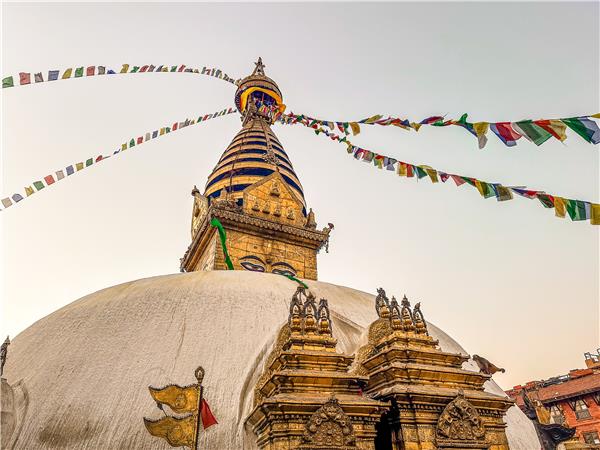
Local Craft and Culture: Although we spend much of this tour trekking, there are many opportunities whilst walking and in the teahouses to engage with locals, learn about regional customs and to do some sightseeing. Whilst trekking, we stop at Namche, the administrative centre of the Khumbu region with a weekly market selling fresh produce and souvenirs. We visit the monasteries at Thyangboche and Khumjung. In Kathmandu and along the trails there are traditional and handcrafted souvenirs available for purchase. Buying handmade jewellery, painted masks and puppets, prayer wheels, hand woven bags and tapestries all helps to support small vendors and their craft. In terms of cultural sights, we can visit the temples and World Heritage sites in and around Kathmandu.
Charity: After organising tours to the Himalayas for over 40 years, we have developed many long lasting partnerships with our operators and leaders as well as some of the local communities we visit. We seek ways to give something back and we usually help with small-scale practical projects that can help local communities and their environment, whilst giving the maximum possible long-term economic benefit. Together with our local leaders we manage all our own projects and over the years we have helped build schools and a children’s home. We have built water tanks and provide water pipe for villages and have helped with hydro electric projects. We have sponsored and installed more than 130 smokeless stoves and 50 solar cookers.
Group Size: This small group tour has a maximum of 16 participants, meaning that we have a low impact on the environments and communities we visit and are able to ensure that we do not disrupt or lead to the displacement of local people. The small number also allows us to stay in unique, family-run hotels that cannot benefit from coach tours and other mass tourism due to their limited sizes.