India bird watching holiday in the Himalayas


Description of India bird watching holiday in the Himalayas
This unique birding trip combines exotic Himalayan locations with the contrasting landscapes and wildlife of Bharatpur and Chambal.
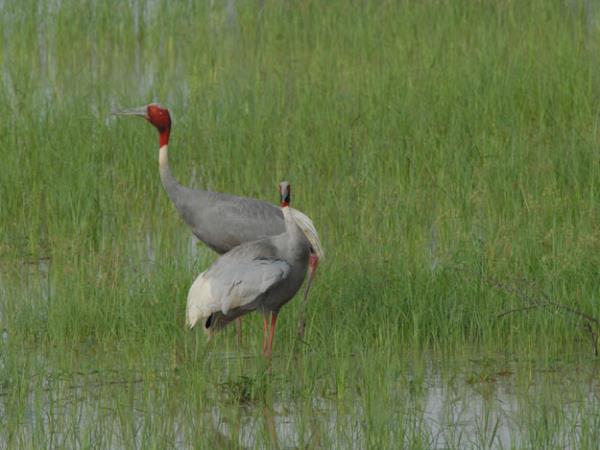
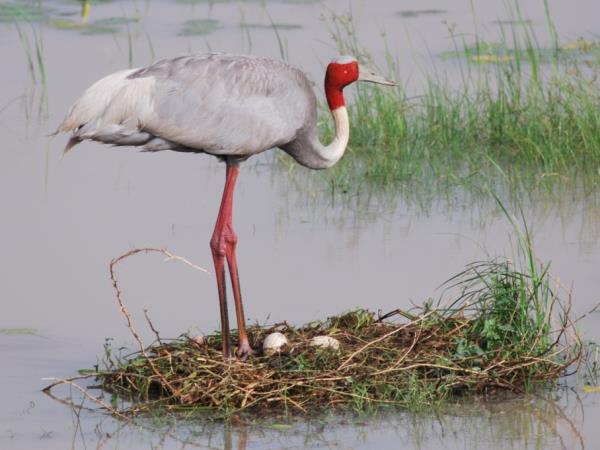
Bharatpur is at the heart of the Keoladeo Ghana National Park - explored both on foot and cycle rickshaws. This UNESCO World Heritage site boasts breathtaking wetlands where a third of around 400 bird species have flown in from as far afield as Siberia and Central Asia. During two days here look out for multiple species of crane and stork, Asian Openbill, Black-headed Ibis, Pheasant-tailed and Bronzed-winged Jacanas and Oriental Darter.
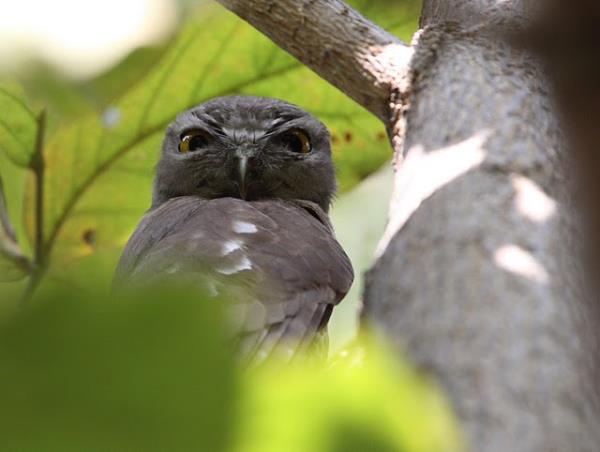
The park's wooded areas, meanwhile, are home to Yellow-footed Green-pigeon, Taiga Flycatcher, Indian Pygmy Woodpeckers, complemented by birds of prey such as Crested Serpent Eagle and, as dusk falls, Collared Scops Owl and nightjars.
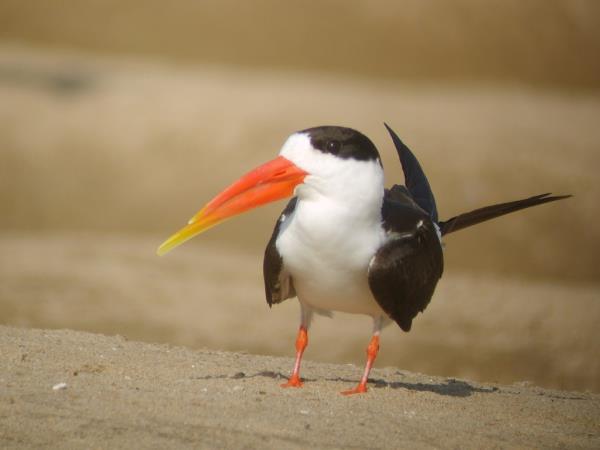
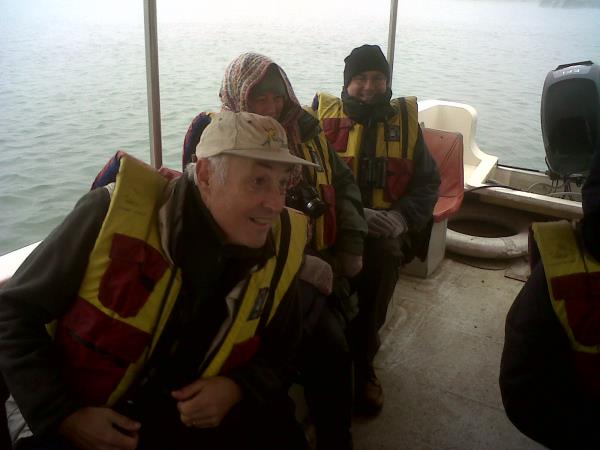
Transferring to the Chambal River, you'll cruise in search of Indian Skimmer, River Lapwing, Small Pratincole and Lesser Pied Kingfisher, as well as looking out for fish-eating crocodiles and Gangetic dolphins.
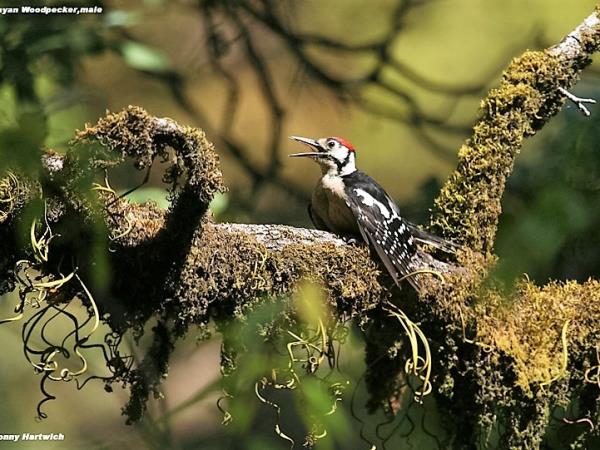
Next, explore the magnificent scenery and wildlife of the Kumaon Hills and Saatal, home to an array of rainbow-hued Himalayan species such as Rufous-breasted Accentor, Blue-Throated Barbet, Green-backed Tits, Lemon-rumped Warblers, Siberian Rubythroats and Orange-flanked Robins.
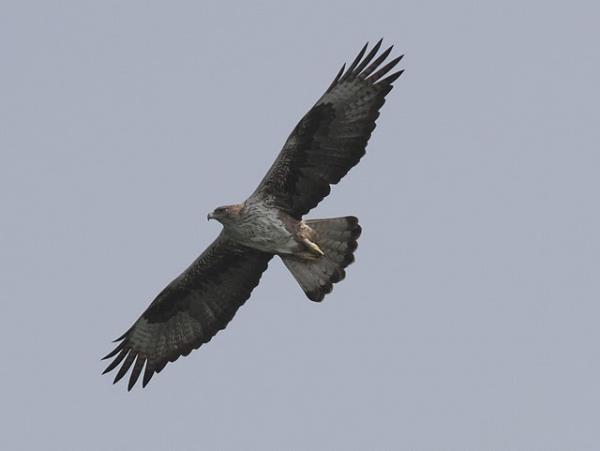
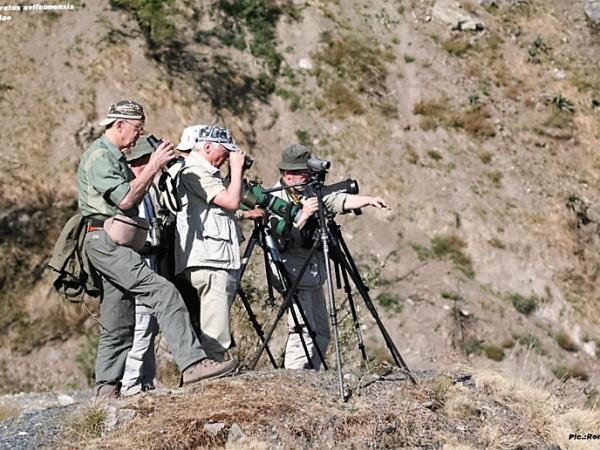
Driving through rich forests to Pangot, there's a full-day birding in and around the Cheena Peak Range. More than 200 species have been recorded in the area, including Himalayan Griffon, Slaty-backed Forktail, Rufous-bellied Niltava and Khalij Pheasant. But in a land of both perennial and seasonal creeks, you may also see a host of other magnificent wildlife including leopards, yellow-throated Himalayan Martin, Himalayan palm civet, ghoral, barking deer and sambhar.
A chance to experience the region's non-bird marvels continues with a finale in the wonderful tiger reserve of the Corbett National Park, where you will also have an elephant safari by jeep.
Price information
Departure information
Travel guides


Reviews
2 Reviews of India bird watching holiday in the Himalayas
Reviewed on 22 Apr 2025 by Chris Scanlan
1. What was the most memorable or exciting part of your holiday?
The bird watching
2. What tips would you give other travellers booking this holiday?
Two days is plenty in Bharatpur
3. Did you feel that your holiday benefited local people, reduced environmental impacts or supported conservation?
Slightly with employment and funding park improvement
4. Finally, how would you rate your holiday overall?
Reviewed on 04 Dec 2023 by vicki lader
1. What was the most memorable or exciting part of your holiday?
The variety of different places we visited. The birds were amazing and the guides very knowledgeable.
2. What tips would you give other travellers booking this holiday?
Everything is really well organised. Trust the company.
3. Did you feel that your holiday benefited local people, reduced environmental impacts or supported conservation?
To an extent. We stayed in a couple of places where they were working hard to be environmentally friendly.
4. Finally, how would you rate your holiday overall?
It was excellent. Exhausting in a good way. Very well organised and we were looked after brilliantly.
Responsible Travel
Planet and people
This is a specialized Himalayan birding tour so all the birding guides are from the local area who we have trained over the years. We were the first tour operator to start birding tours in this region and have spread awareness among youngsters that they can easily have a good livelihood by becoming a good birding guide.We use local transport and the drivers are all from the local community. We support a small school (Gram Vidhyalaya) for 50 students and a contribution of £5 per person goes to this school.
When birding we carry bags and guests are advised to bring back waste to their accommodation. We stick to the trails and advise not to harm the local flora & fauna. We do not use play back as the mothers come out from their nests & leave their offspring at risk from predators.
Meals are taken in the locally owned lodges which we use, which only cater for max 10 persons and thus minimise the impact on the environment:
Saatal lodge: The lodge is locally owned and the staff are all employed from the local region, trained and paid well. The lodge is equipped with solar water heating system & has been constructed using local materials. A little dip pool attracts various species of birds including occasional kingfisher and Forktail.
Pangot lodge: This small locally owned accommodation is in a typical Kumaoni hill settlement with about 15 families where you can still observe the age old lifestyle of the hill folk in Pangot. The staff are all employed from the local region, trained and paid well. The lodge is equipped with solar water heating system & has been constructed using local materials.
Corbett lodge: This locally owned tiger camp is located on the periphery of Corbett National Park surrounded by thick jungles on one side and river Kosi on the other. The lodge has cottages constructed in a village theme to blend with the environment. The entire staff is locally employed and very well paid. The lodge has a solar water heating system and the drivers are locally employed for the game safaris.
Chambal lodge: The staff come from the local area and receive good training. Procurement of goods and services for the lodge is done locally, as far as possible and local craftsmen and technicians are employed in all restoration and extension work.
The lodge recycles organic waste through compost pits and inorganic wastes through traditional ‘kabari’ collection systems. Bath & kitchen water and rainwater runoff in ponds is re-used through the use of soak-pits.
All visitors are provided with information for reducing water and power consumption. The bathrooms all have showers but ‘bucket baths’ are recommended, as they use only 20 litres of water compared with 100 litres required for an average shower.
The lodge limits the use of electrical equipment and uses power efficient products when necessary eg. water heaters. There is limited use of electrical generators and the lodge have started growing Jatropha, a source of bio-diesel. Vegetables and grains grown organically in our own fields and also buy the organic produce of other local farmers.
Popular similar holidays

Himalayan Silk Road adventure
From £4495 16 days excluding flights
Travel India's Silk Road from Kashmir to Ladakh

Punjab holiday, mountains & mystics
From £774 - £1435 13 days excluding flights
Mountains remote villages Golden Temple

Ladakh tour in India
From £3499 - £3649 14 days excluding flights
Timeless monasteries and stunning mountain scenery