Lemur conservation project in Madagascar



Suitable for individuals and small groups who would like to join.

Description of Lemur conservation project in Madagascar
Your chance to volunteer with an award-winning NGO in Madagascar. This trip is ideal for anyone studying or pursuing a career in biology or conservation, as well as anyone looking for a rewarding, hands-on career break, sabbatical or gap year experience.
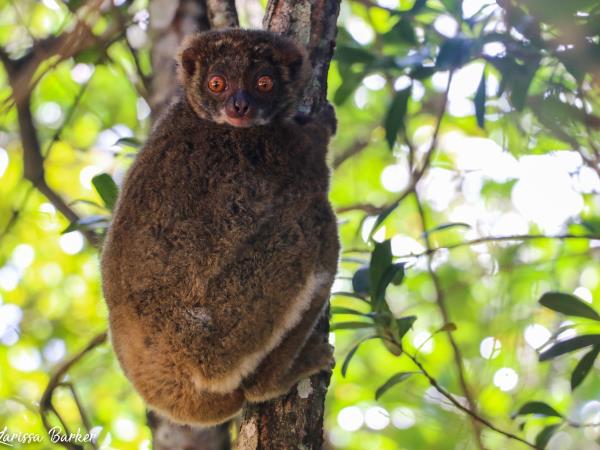
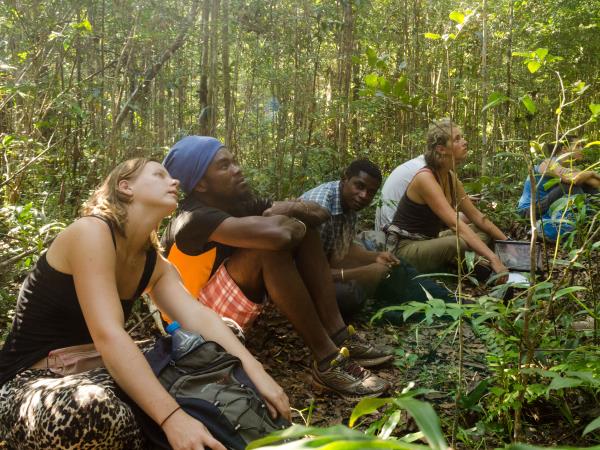
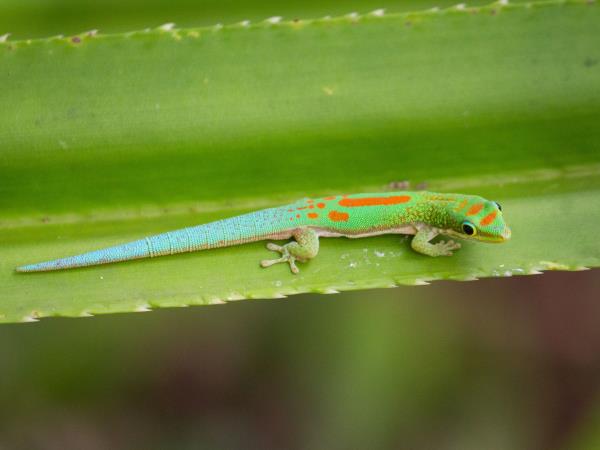
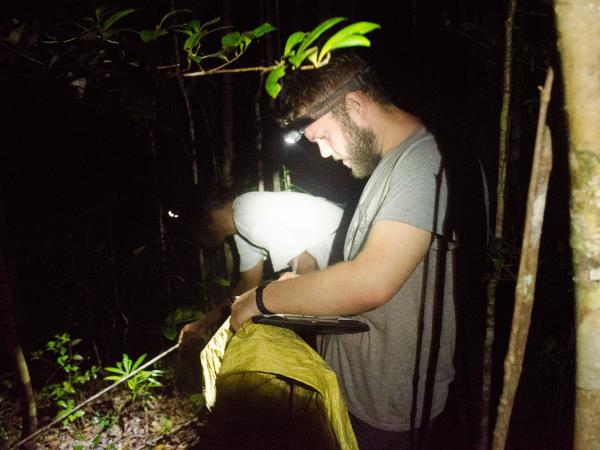
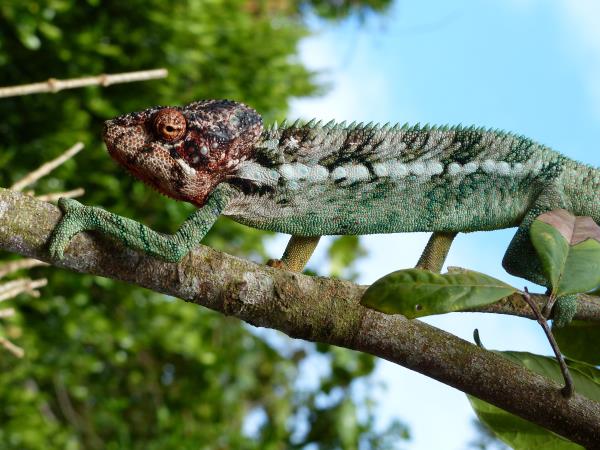
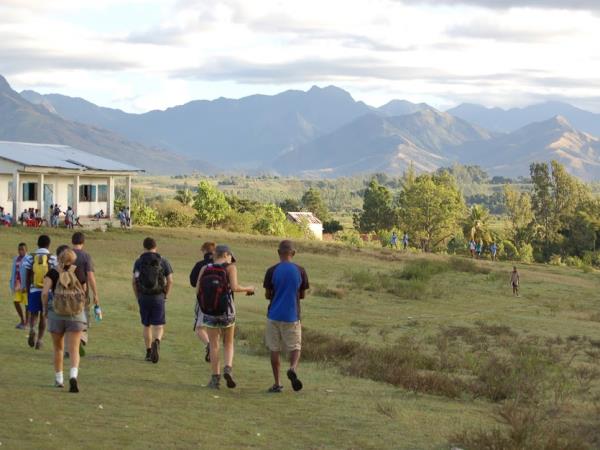
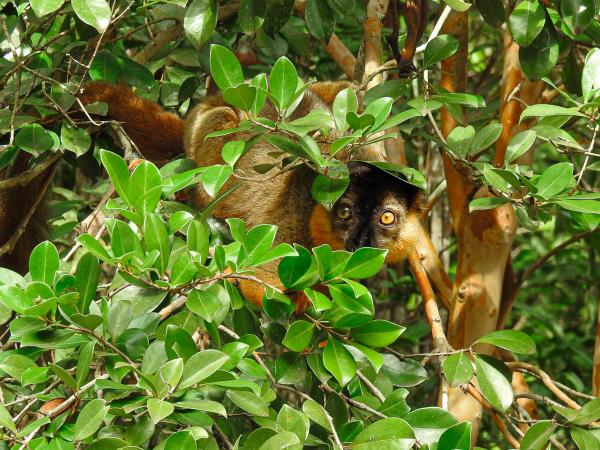
You’ll be based in Sainte Luce in southeast Madagascar, camping in a community close to one of the region’s last remaining pockets of littoral forest. Here, you’ll gain practical experience on a range of projects: researching lemurs, amphibians and reptiles; community outreach – building understanding and commitment among local people to protect this fragile ecosystem, and environmental education.
A range of dates is available throughout the year, and participants can join for either 2, 4, 6 or 8 weeks. The programme is split into modules so the longer you can stay the more you (and the project) will benefit, but you can still learn and do a great deal in just two weeks.
With ongoing deforestation and mining operations taking place in the area, threatening habitats and biodiversity, conservation initiatives have never been so important. This lemur conservation holiday is a chance to really make a difference while also bringing home some useful experience for yourself.
Price information
Suitable for individuals and small groups who would like to join.
Check dates
Travel guides


Accessibility
Responsible Travel
Planet and people
This project is run by a registered UK charity and local partners that have been working on Community Health, Sustainable Livelihoods, Environmental Conservation and Education projects in southeast Madagascar since 1995. Over this time, SEED has built strong relationships with the local communities in which they work, so that they can be intimately involved with projects from the project identification and planning stage through to the final evaluation.The need for education infrastructure in the remote Anosy region is high. Out of every 10 children who start school, only three make it to the last year of primary school, with the situation amplified in remote, rural areas (UNICEF, 2015b). Low completion rates – the average Malagasy adult attends just 4.4 years of school – are a direct result of a lack of capacity: there simply are not enough trained teachers or classrooms. The majority of public school teachers are not employed by the government, but by parents’ associations (UNICEF, 2012b), and in 19% of the country’s school districts more than 40% of primary schools are incomplete, offering just two to three years of education (UNICEF, 2015a). Sadly, these problems contribute to over 1.5 million primary school-aged children being out of school (UNICEF, 2012a).
SEED Madagascar builds and refurbishes schools across the Anosy region. We respond to direct requests for assistance from the communities who identify a need for education infrastructure in their area. Prior to starting any new school construction project, SEED conducts a needs assessment ensuring that certain criteria are respected, including teacher availability in the district, on site safety and levels of motivation within the community. Since its start in 2005, and with the crucial help of pioneer and construction volunteers: laying bricks, mixing concrete and painting and decorating, SEED has successfully completed 35 new classrooms for students in need, and two more classrooms will be completed in 2017! In 2016 alone, SEED was able to create a safe learning environment for 240 students.
Where possible and practical, we use only locally owned and operated suppliers who provide us with quality goods that have been sourced/ or grown locally. All our infrastructure projects are built to last and remain resilient to the weather conditions. We aim to build schools that won’t fall into disrepair quickly through using high quality, robust materials so that they are sustainable for generations to come. We also employ local guides and staff, who hold contracts and are paid a fair wage. This offers local communities important livelihood earning opportunities, but also offers skills training. Many who start work with the SEED team begin as untrained manual labour, but learn important skilled trades from SEED’s Malagasy construction team. Many of these labour team alumni take their new skills and go on to find full time work in trades such as masonry.
We plan volunteer programs in a way which maximizes the opportunity to meet and work alongside local people, learn about the local culture and experience the local way of life. We teach our volunteers to speak the local dialect of the Malagasy language and provide orientation to present a balanced view of the country, the people, our work and local culture and traditions, religion, body language and eating habits before any volunteer visits the field.
We are aware that wherever we go we are having an impact on the environment. We endeavour to minimize this impact and engage in projects that not only make the environment sustainable but contribute to improving it. When visiting villages, group sizes are determined by what is appropriate to the area we are visiting and the job that we are doing.
Use of motorised transport is kept to a minimum. We ask volunteers to use water sensibly and respect the needs of local people at water collection points. We provide water to refill plastic bottles and we separate our waste for re-use or composting.
Popular similar holidays

Volunteer with Lemurs in Madagascar
From £1195 - £1995 13 days excluding flights
Be part of lemur research conservation in Madagascar

Southern Madagascar, Lemurs, baobabs & beaches
From £2695 - £2995 12 days excluding flights
Taking in its most diverse environments at comfortable pace

Madagascar holidays, The lost continent
From £2895 - £3115 15 days excluding flights
Experience the culture and wildlife of Madagascar