Lesotho and Eswatini holiday, Southern Africa
Price
£3199To£3519 excluding flights
Convert currency:


Duration
10 Days
Countries
Eswatini (Swaziland), Lesotho
Type
Small group
Group size
Up to 12 people

Description of Lesotho and Eswatini holiday, Southern Africa
Price information
£3199To£3519 excluding flights
Convert currency:
Check dates, prices & availability

Travel guides

Our Eswatini travel guide features a detailed map to lead you through this compact country’s highlights.

Responsible Travel was built out of a love of solo travel, and we want to share the joy of it with you.
Responsible Travel
As the pioneers of responsible tourism, we've screened this (and every) holiday so that you can travel knowing we've worked to maximise the benefits of your holiday to local people and places, and minimise any negative impacts.
Planet
CARBON REDUCTIONLesotho has made notable efforts toward carbon reduction, though it faces challenges due to limited resources and infrastructure. They are working toward low-carbon development by focusing on energy, forests, farming, and waste. Efforts include using more renewable energy, planting trees, improving farming methods, and better waste management. Eswatini is also actively working to reduce carbon emissions, aiming to cut 2.24 million tonnes by 2035. The country focuses on climate-smart agriculture, renewable energy, better waste and water management, and green finance. Even with limited resources, Lesotho & Eswatini are getting support from international partners like the Green Climate Fund to help reach their climate goals.
We understand the value of sustainable development and balancing economic growth with environmental care. To minimise car emissions, we opt to explore sites on foot whenever possible.
ENVIRONMENT AND WILDLIFE
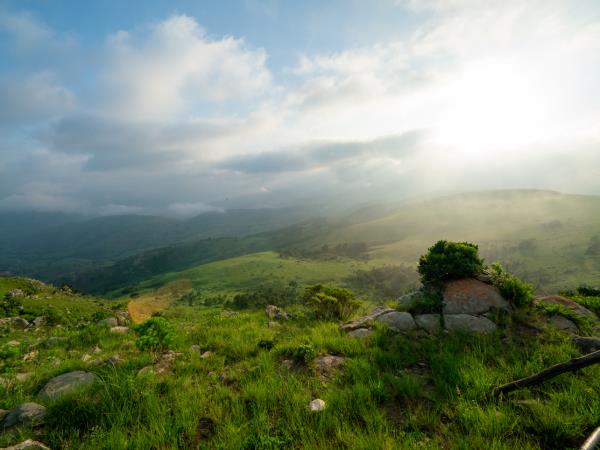
When visiting Tsehlanyane National Park, we encourage sustainable travel practices, such as respecting the land, avoiding littering, and supporting local businesses. As a conservation area, the park is dedicated to protecting unique montane ecosystems and biodiversity.
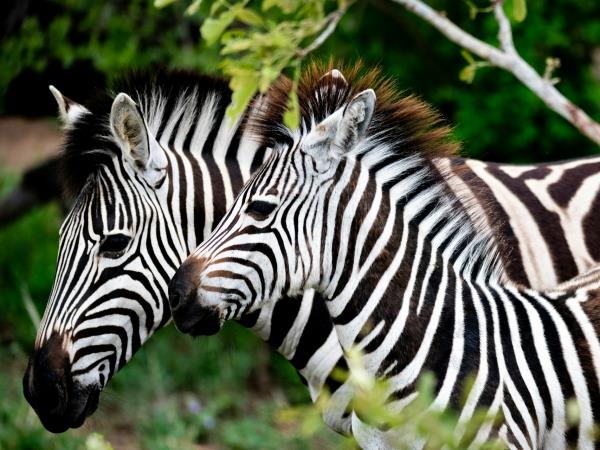
At Mkhaya Game Reserve, we ask travellers not to feed small animals like monkeys and birds, as this can encourage ongoing interaction with humans, putting the wildlife at risk and potentially posing danger to tourists.
People
EMPLOYMENT, INCLUSIVITY AND DIVERSITYLesotho and Eswatini both face high unemployment and social challenges, but are working to improve inclusivity and diversity. In Lesotho, many people work in informal jobs, and the government is the biggest employer. In Eswatini, men and women have similar education levels, but women still face barriers to paid work. There’s strong public support for equal opportunities, and both countries are making efforts to create safer, fairer workplaces.
We make sure that we work with local guides and drivers for our tours to provide employment opportunities and support the local economy. By working with people from the region, we help to preserve traditional knowledge, ensuring visitors gain a deeper and more authentic understanding of the destination. This approach offers more meaningful connections between travellers and the communities visited, promoting sustainable tourism that benefits everyone involved.
You may well come across beggars. There’s no hard and fast answer on this and everyone has a different view – some feel that giving simply encourages begging while others see it as helping someone in need. Some guidebooks will tell you that you should only give if you see a local person also giving, to determine whether the beggar is genuine. The issue is particularly difficult when it comes to children, but we’d ask that you don’t give to children as in poor communities this can often act as a discouragement to going to school.
Popular similar holidays

South Africa, eSwatini and Lesotho holiday
From £2499 14 days excluding flights
Short tour takes you to one of the world’s best game parks

Cape Town to Johannesburg tour, South Africa
From £1195 - £1295 17 days excluding flights
Overland camping adventure: South Africa, Garden Route & Lesotho

Cape Town to Nairobi overland tour
From £3995 - £4395 100 days excluding flights
Incredible overland camping adventure across Africa