Malawi luxury holiday


Based on two people sharing.
Flights to Lilongwe from London are usually via Nairobi or Addis Ababa

Description of Malawi luxury holiday
This Malawi luxury holiday is a tailor made trip, whereby we create the perfect itinerary for you to enjoy some of the country’s most spectacular natural heritage sites. The best time to travel to Malawi is from end of April through to November and we recommend the itinerary below as a starting point for your adventures around this stunning country.
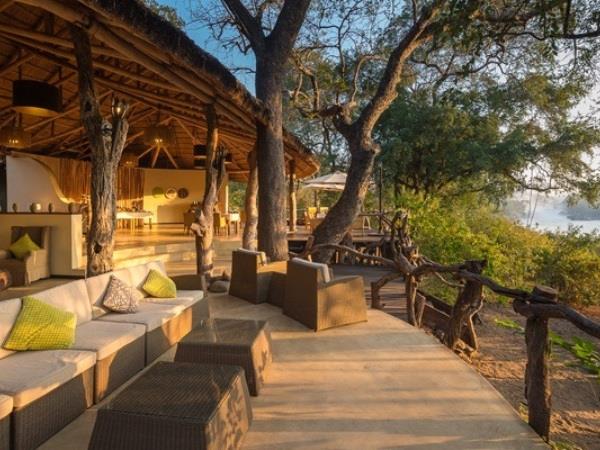
After some time to relax after your journey at a boutique hotel in Lilongwe, a driver guide takes you to the first of several wildlife watching havens, Majete Wildlife Reserve. Here you stay in an exquisite wilderness lodge, go for walking safaris and learn about the great conservation efforts going on here since the early 21st century, making this Malawi’s only Big Five destination.
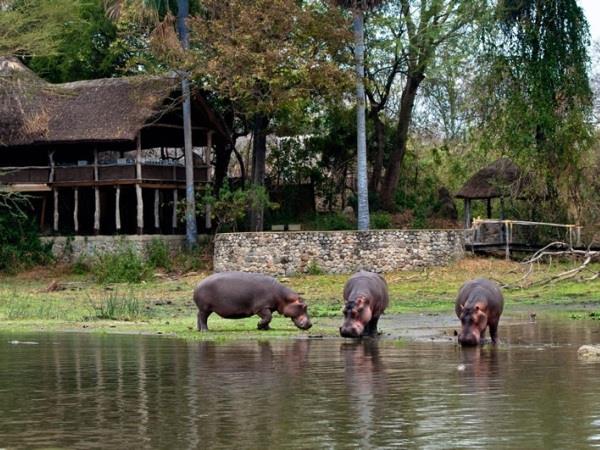
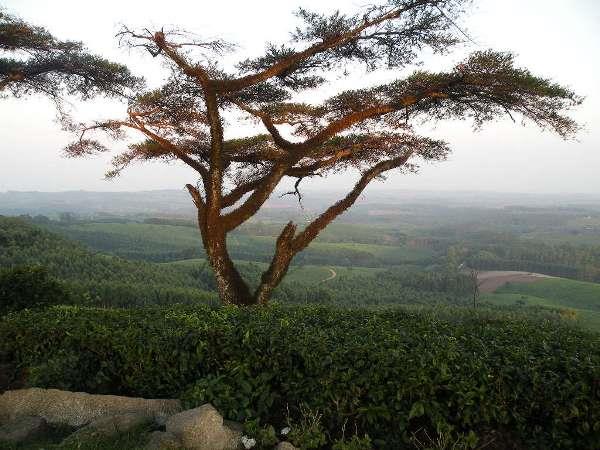
Your next wildlife adventure on this holiday, after spending time in the Thyolo tea plantations district, is Liwonde National Park where you stay in a luxury lodge. Hippos and elephants bathing in the river, black rhino and exceptional birdlife are just some of the marvels here.
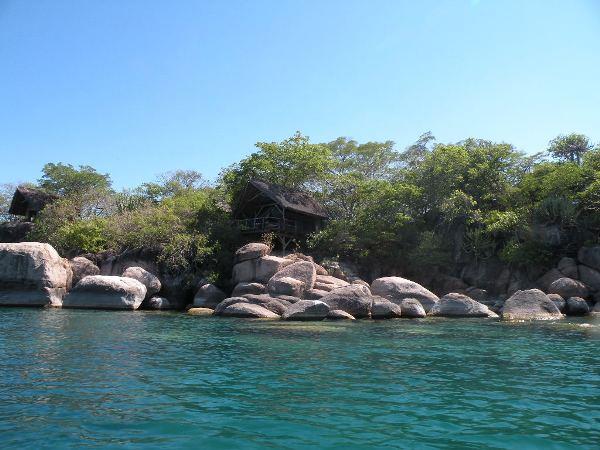
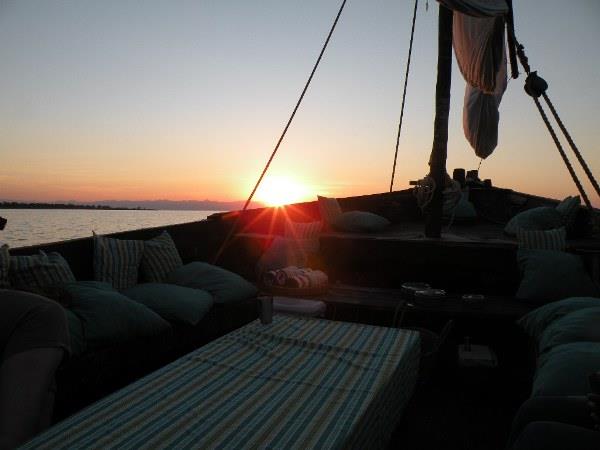
The last few days of this holiday are spent in and around Lake Malawi and its eponymous national park. Here you stay at two different lodges, both equally beautiful with one on the shores of the lake and the other on Cape Maclear. Enjoy some beach time, sailing, snorkelling and relaxing at this idyllic inland sea which was described by David Livingstone as a ‘Lake of Stars’.
Price information
Based on two people sharing.
Flights to Lilongwe from London are usually via Nairobi or Addis Ababa
Departure information
Travel guides


Reviews
2 Reviews of Malawi luxury holiday
Reviewed on 15 Jun 2025 by Mercedes Carballo
1. What was the most memorable or exciting part of your holiday?
Getting under the skin of the country. The amazing service from the staff at the parks and our guide/driver Mathias and being able to experience the friendliness of the Malawian people.
2. What tips would you give other travellers booking this holiday?
Use Responsible Travel! Do your research beforehand to craft the itinerary to what you want.
3. Did you feel that your holiday benefited local people, reduced environmental impacts or supported conservation?
The host company used a local Malawian ground operator which means that obviously it had an impact, tipping the staff would also contribute to a direct impact in a really poor and undeveloped destination. I did ask our guide/driver about their own policy about that and he said their company gave money for scholarships. However, I do not remember included any specific information about how we/they were contributing during our communication exchange which would have been a nice thing to see. Lodges did not have a selection of food to choose from, which is fine, but we basically were offered meat every day. We saw wonderful fruit and vegetables in markets everywhere but got offered imported South African apples most of the time and had very little exposure to local produce, including fish from Lake Malawi. We went to Malawi because our daughter is volunteering in a children´s home in Blantyre called STEKA. They do an amazing job taking care of 120 children from the streets and rely on donations and their own resources. I would be interested in talking to someone at Responsible Travel to understand if there is anyway that STEKA could be one of the projects that could eventually benefit from bookings through Responsible Travel. Would it be possible to discuss this with anyone in your team?
4. Finally, how would you rate your holiday overall?
Excellent! I would suggest that the host company provides a more detailed itinerary at proposal stage and before departure time. We found out on the ground that cool experiences were part of it (some which enhanced the experience) which where not reflected on the itinerary. This could have been due to miscommunication between the host company and the ground handler or
just the host company not dedicating much time to write a more engaging and detailed itinerary which would have made their proposal the winning one from the beginning. We had an excellent trip and will definitely recommend Responsible Travel and the host company and Malawi as a destination.
Reviewed on 14 Aug 2022 by Elizabeth Philp
1. What was the most memorable or exciting part of your holiday?
Wildlife safaris.
2. What tips would you give other travellers booking this holiday?
Take cash in local currency, not cards. Ask about transit times and logistics.
3. Did you feel that your holiday benefited local people, reduced environmental impacts or supported conservation?
Yes.
4. Finally, how would you rate your holiday overall?
Excellent.
Responsible Travel
Planet
Liwonde National Park in Malawi is now a place of extraordinary biodiversity and conservation potential. Previously, decades of poaching and habitat encroachment meant that the Park had deteriorated considerably and theMalawi government was forced to seek help. South African National Parks and the Frankfurt Zoological Society assisted in the development of much of the infrastructure of the Park (wildlife, building structures and border fencing). Local Malawian businesses, as well as the J&B 'Care for the Rare' circle also became involved in this excellent programme.
In 2006 and 2007, helicopter aerial game censuses of Liwonde National Park took place, funded by the owners of Mvuu Lodge and formed part of their involvement in the long-term vision for the future of the Park. The results and conclusions allowed a number of management questions to be addressed.
Among these are the movements of elephants out of the Park, and the population increase of various species.
The 'Endangered Species of Malawi Circle' draws its enthusiastic members from all walks of life and identifies projects to save endangered species, organising the funding and the ground support needed to carry out the specific project.
In conjunction with South Africa National Parks, the Circle has provided technical expertise in relocating no less than six black rhino to Liwonde Park, where they live in a fenced sanctuary not far from Mvuu. Since the project began, three breeding pairs have been successfully introduced to Liwonde.
The owners of Mvuu Lodge assist the Endangered Species of Malawi Circle by running the sanctuary on a day-to-day basis, pumping water into the waterholes, fixing the fences and maintaining the equipment. They have also
two sponsored chalets at the camp, from which 20% of all income is donated to the Circle. The motivation behind this project is to eventually release the rhino into the Park and to diversify the dwindling gene pool of black rhino in Africa so that if and when conditions materialise for their reintroduction elsewhere, some of the Liwonde rhino can in turn be relocated. The Circle has also assisted in the relocation of zebra, buffalo and Lichtenstein's hartebeest into Liwonde.
At Makokola Lodge, gardening is an important task and they follow environmentally friendly schemes. All the water used to maintain the beautiful gardens is taken from the lake and eventually given back to the lake. The gardens provide the habitat of many species of birds, squirrels and monkeys. Their use of environmentally friendly products is a must for their conservation.
People
Makokola Lodge is dedicated the local community and this lies deep within the history of the property. Since establishing a tourism business here many years ago, the goal has always been to make the local communities the major contributors and stakeholders of The Retreat. Over the years, they have strengthened their long term commitment to the community and more than 300 hundred families find sustainability from the Retreat’s activities.When building The Makokola Retreat initially, local villagers were trained to build the property rather than bringing in outside contractors. The thatches for the roofs are sourced from local women, who were established in their own business to supply the lodge.
The lodge also encouraged smaller groups to work on wood crafts, woven items, and recycled glass artwork, amongst other little projects which provide employment for the locals. Many of the furnishings were handmade by the local community. Another important contribution is the Retreat’s active support to the nearby Koche Clinic, where many of members of staff and their families are assisted and treated in different ways.
They have chosen to put great effort in growing their own fresh products. With this practice, they have transmitted these techniques to locals who are now able to supply them with sustainable goods. Fish are also selected from a few local trustworthy fishermen, who they have worked with for many years.
Popular similar holidays

Malawi self drive holiday
From £4775 10 days excluding flights
Discover Malawi at your own pace on this self-drive trip

Zambia and Malawi tailor made safaris
From £11050 15 days including UK flights
A fabulously varied itinerary including waterfalls wildlife and lakes

Mount Mulanje trekking and beach holiday, Malawi
From £4590 20 days excluding flights
Mount Mulanje 5 day trek & Malawi discovery