Naadam Festival holiday in Mongolia


Minimum age 16.

Description of Naadam Festival holiday in Mongolia
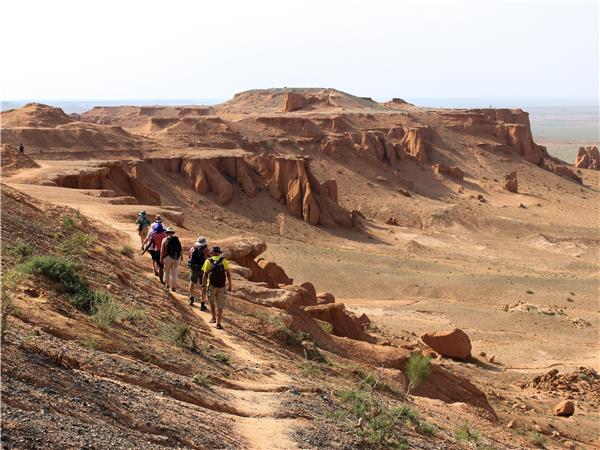
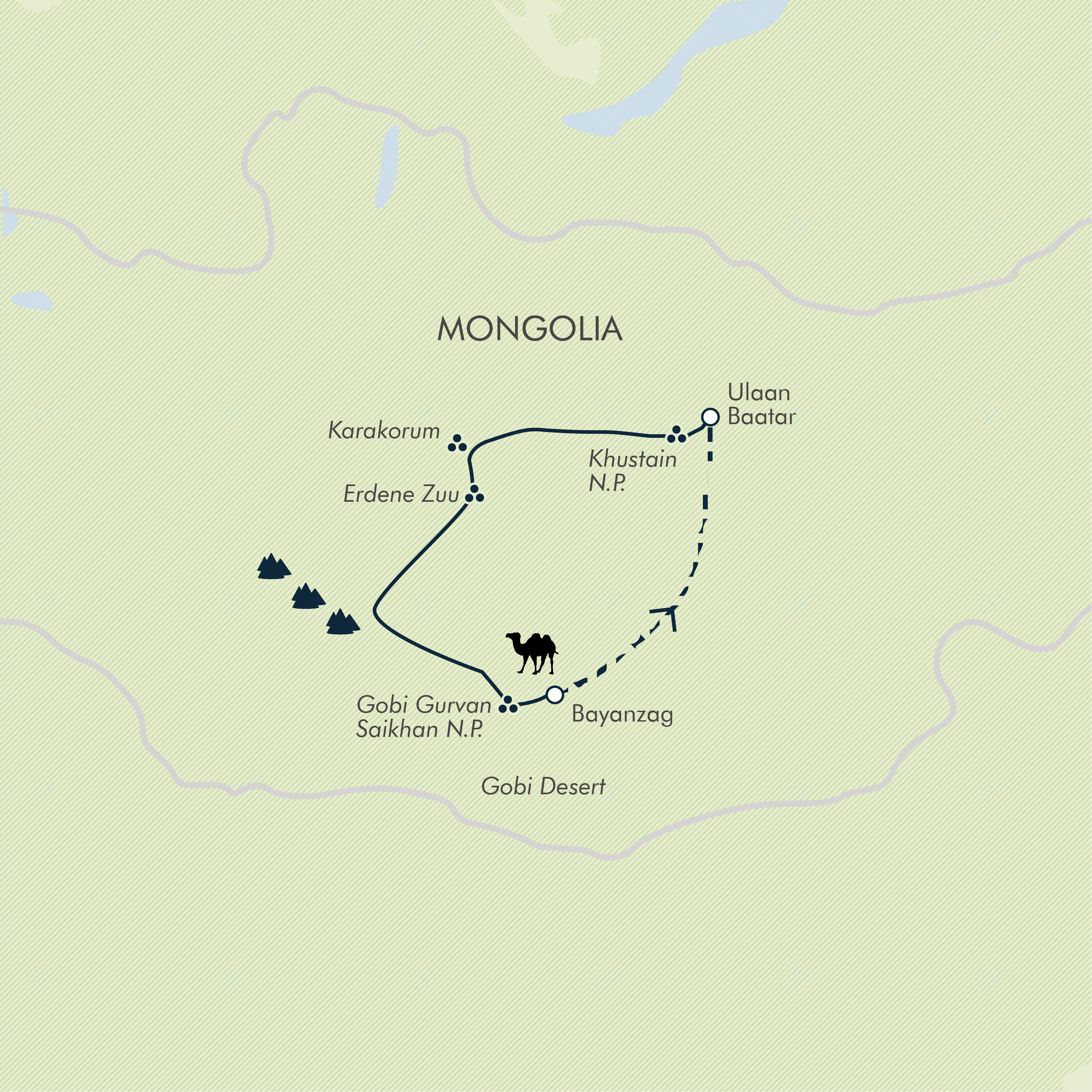
This two week small group holiday in Mongolia takes travellers overland from Ulaan Baatar to where sweeping steppe landscapes collide with desert sands, and ancient citadels appear out of dramatic dunes to provide tales of empires past.
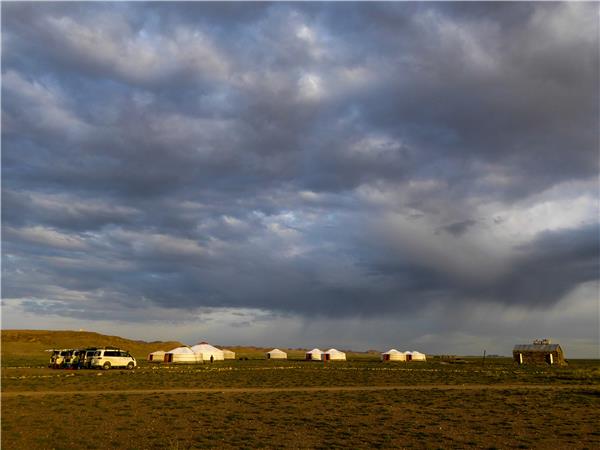
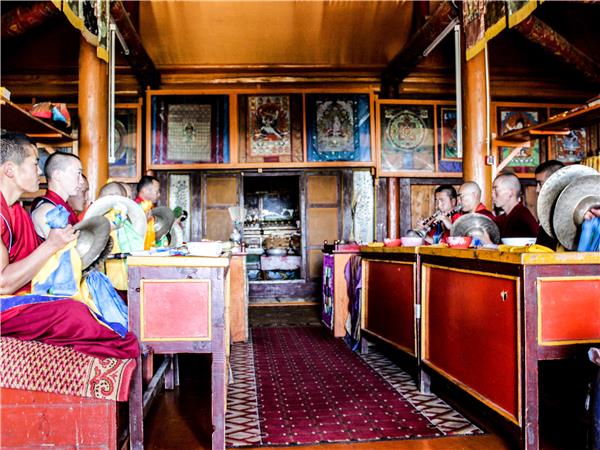
Search for wild horses in Khustain Nuruu National Park, explore monasteries such as Erdene Zuu, and spend a few nights in the desert. Staying at a traditional ger camp surrounded by singing sands is an experience to live long in the memory, with nights around the campfire listening to folklore stories with a cup of fermented mare’s milk one of those moments to dine out on for years to come.
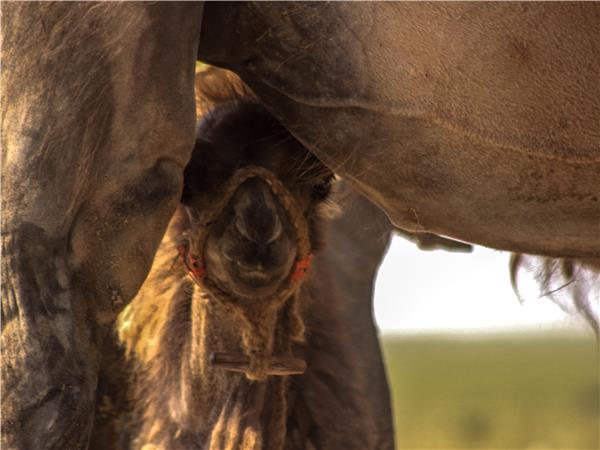
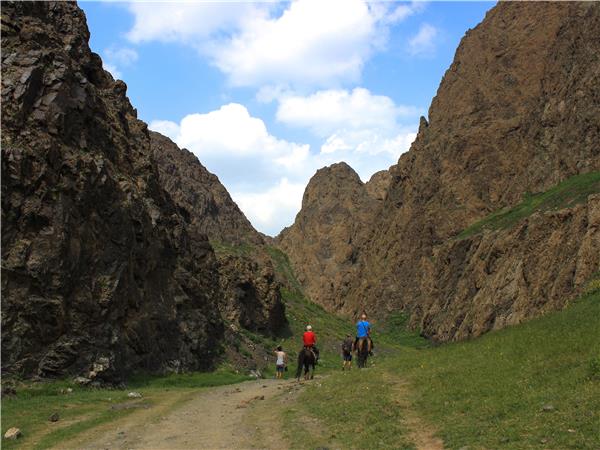
Driving through the wilder, more remote, parts of the Gobi Desert and Gurvansaikhan National Park takes you way off the tourist map with opportunities to meet nomadic camel herders and hike alongside mountain sheep and wild horses in Yolyn Am canyon.
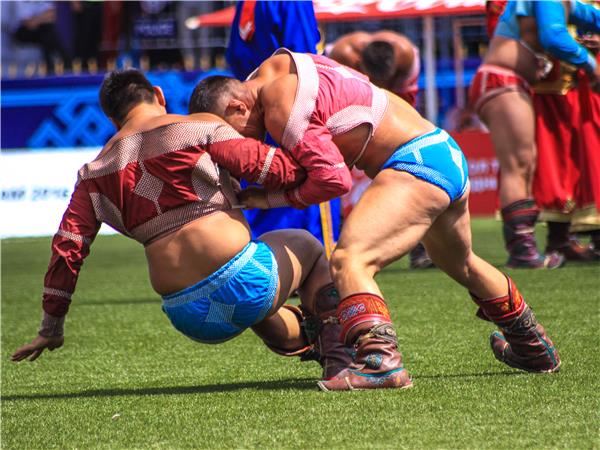
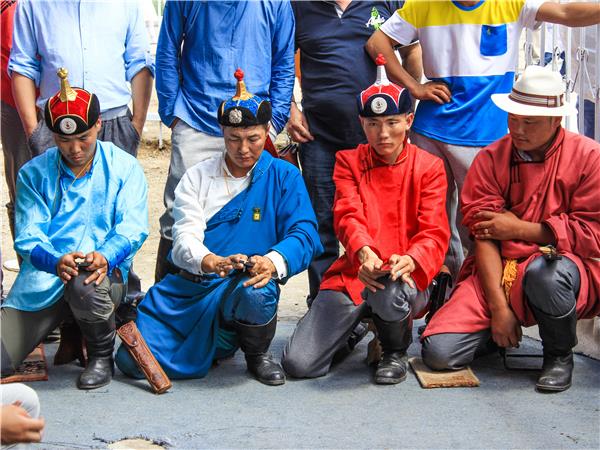
Note: only one departure date per year coincides with the Nadaam Festival in July where the whole country comes together to watch and take part in an array of cultural ceremonies and physical challenges. If you'd like to witness Mongolian wrestling, archery and horse races first-hand, then please get in touch about availability.
Map
Price information
Minimum age 16.
Check dates, prices & availability

Travel guides


Holiday information
Reviews
1 Reviews of Naadam Festival holiday in Mongolia
Reviewed on 29 Jul 2025 by Alison McCloskey
1. What was the most memorable or exciting part of your holiday?
The festival. A real spectacle!
2. What tips would you give other travellers booking this holiday?
Be prepared for some long road trips. There were plenty of interesting stops though. An eSim or Sim card is useful. Mobicom had fairly good coverage, but be prepared to be off grid too. Food was good and lots of opportunities to buy snacks etc. Electricity supply was mostly fine, even in the Ger camp, though a backup power pack is worthwhile for when one is on the road. Endless photo opps can drain your phone.
3. Did you feel that your holiday benefited local people, reduced environmental impacts or supported conservation?
Somewhat. Just staying in some gers can offer employment and income. Water was provided via large water bottles rather than using lots of small ones and waste was sorted and hopefully recycled. I suspect the five 4x4's racing over the steppe and desert areas had an impact on the wildlife as they didn't always stick to the existing tracks.
4. Finally, how would you rate your holiday overall?
Very good. Group holidays can tricky but we had a good guide and, in any case, this trip isn't really suited to private tours. However there was flexibility too, like a lot of group tours. For example, our guide spotted a local village having an early Nadaam festival and stopped for us to see. We also came upon a local camel herder one day and she asked him if we could 'pop in' for a visit. Unforgettable! The festival was our main reason for going and didn't disappoint of course. The Bayangol hotel is very poorly run and shabby. Breakfast was a zoo with usually nothing much laid out and some items like muffins very stale. The staff were disorganised and we suspect poorly managed. There were others nearby that would offer just as good location and were not so run down.
Responsible Travel
Planet
Accommodation and Meals:We spend three nights in a mixture of hotels and nine nights in traditional ger camps. All accommodation is locally owned and run, which has a positive effect on the economy and community by increasing employment alternatives in the area. By spending the majority of the time in simple lodgings, we significantly reduce our carbon footprint for the trip. We also operate on a ‘leave no trace’ basis, which involves disposing of waste at major towns and Ulaanbaatar, rather than leaving rubbish behind. Fresh, locally sourced ingredients are used wherever possible where meals are provided. Chefs are often able to produce some delicious Mongolian specialties for clients as well, like ‘Tsuvian’- pasta served with vegetables and strips of meat, or ‘Buuz’- steamed dumplings stuffed with meat.
UK office
It all starts at home so we have first worked to reduce our carbon footprint in our UK offices. Through energy conservation measures and recycling policies in place, we are proud to be actively reducing the waste produced and our impact on the environment. We support various projects all over the world to try and give something back to the places we visit.
Group size
We operate small group tours that have a low impact on the communities we visit and we always ensure our operations do not disrupt or lead to the displacement of local people. This allows us to stay in unique and characterful accommodation that would not have benefitted from tourism due to their limited size.
People
Local Craft and Culture:At the beginning of the trip, we visit Shankh Monastery on the way to Arvaikheer. Upon arrival there is time to visit the local museum, which contains nature collections, stone figures and Turkic scripts. Other cultural excursions include a trip to the Bayan Mountain Range to view rock art from 3000 BC, the Karakorum Muesum and the small museum near Vulture Canyon. Any money spent or given here as a donation contributes to the upkeep of these attractions. There is also the option to attend a traditional Mongolian song and dance performed by the world famous Tumen Ekh dance troupe. This includes throat singers, contortionists and Tsam dancers. Handicrafts are available widely in the larger cities and typically include colourful leather boots, embroidered textiles, decorated flagons and carved wooden items. Buying traditional crafts is encouraged as this is a means of supporting the community and, in some cases, of keeping customs alive. However, guides will be careful to point out that some souvenirs on offer can be damaging to the environment or wildlife- like the horns of argil sheep or snow leopard pelts.
Local Interaction:
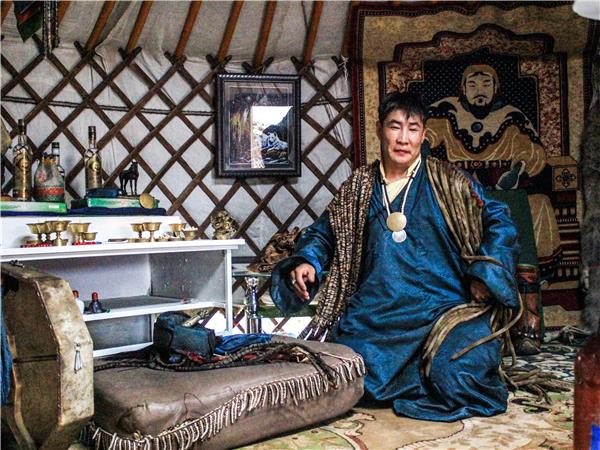
There are a number of opportunities along the way to meet local nomadic families. These interactions are often impromptu, though gifts of goods which the nomadic families don’t normally have access to (such as treats) are given. These interactions offer the opportunity to learn about the lifestyle of these families, try some of the produce they manufacture themselves such as cheese curd, buttermilk or arak (alcohol made from mare’s milk or camel milk). At other times we visit nomadic families in a more organised fashion in order to ride horses or camels which they keep and herd and use their services as a guide or wrangler. This contributes to their livelihoods.
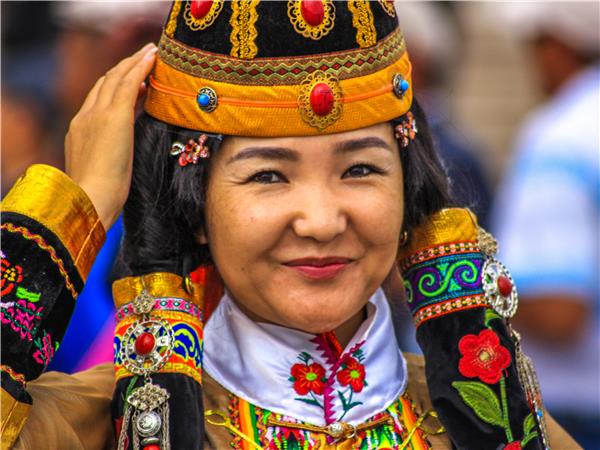
We attend the Naadam Festival in Ulaan Baator. This is the biggest festival in Mongolia and is celebrated each year throughout the country from the smallest communities to the capital (where we attend the festival). Naadam showcases traditional Mongolian sports – archery, horse riding, wrestling and ankle-bone throwing. It is a celebration of the country’s nomadic roots and traditions and we mingle with Mongolians as we attend the various events.
Community support, projects and sponsorship:
Our local partners are involved in supporting local communities through Mongolia in a number of ways including supporting local education initiatives and providing essential amenities for underprivileged children and cooperating with small and medium sized enterprises. Specifically they’ve sponsored events such as Youth Investor Reality Show and the 8th Pearl Necklace Initiative. They are also founder and sponsor of the Mazaalai Foundation – protecting the Gobi Bear.
Popular similar holidays

Eagle festival tour in Mongolia
From £2799 10 days excluding flights
Stay with local Kazakh Eagle Hunters in the Altai Mountains

Mongolia tour, land of the great Khan
From £4095 - £4220 15 days excluding flights
Journey through Mongolia's epic landscapes

Mongolia tour, winter landscapes and Khovsgol ice festival
From US $3560 14 days excluding flights
Winter discovery tour with ice festival in northern Mongolia