Overland holidays in Alaska
It was a still summer afternoon on the Klondike Highway – empty tarmac road ahead and behind, bending between steely blue mountains. We drove past flashes of fuchsia fireweed, a tall ribbon of a waterfall, long lakes, and a gold rush graveyard.
We also drove past the biggest bear I’ve ever seen.
We spotted it from a mile away: a brown blob strolling along the highway towards us, getting clearer and bigger with every step. I’d read that Alaska brown bears were grizzly-sized. Fact confirmed: its shoulder was at eye level as it mooched past our minivan, unconcerned by the people frozen inside. It was too busy following its nose, using the road as a shortcut through the mountains.
I managed to get one picture as it plodded onwards. It’s blurry with nervy excitement and the dusty back window, but still one of my favourites, summing up what I loved about road tripping in Alaska. There we were – tiny people on an empty road amongst unmoving mountains and unbothered bears.
Natalie Morawietz has run some of our most popular Alaska overland and camping adventures for over a decade, and still shares that sense of wonder. “My favourite parts of the journey are the most remote stretches – where there’s no cell service and it’s just our group surrounded by nature,” she says. “You can hear the wind, bees humming, maybe a stream nearby. Those moments bring an incredible sense of calm and help quiet the mind in a way few other experiences can.”
We also drove past the biggest bear I’ve ever seen.
We spotted it from a mile away: a brown blob strolling along the highway towards us, getting clearer and bigger with every step. I’d read that Alaska brown bears were grizzly-sized. Fact confirmed: its shoulder was at eye level as it mooched past our minivan, unconcerned by the people frozen inside. It was too busy following its nose, using the road as a shortcut through the mountains.
I managed to get one picture as it plodded onwards. It’s blurry with nervy excitement and the dusty back window, but still one of my favourites, summing up what I loved about road tripping in Alaska. There we were – tiny people on an empty road amongst unmoving mountains and unbothered bears.
Natalie Morawietz has run some of our most popular Alaska overland and camping adventures for over a decade, and still shares that sense of wonder. “My favourite parts of the journey are the most remote stretches – where there’s no cell service and it’s just our group surrounded by nature,” she says. “You can hear the wind, bees humming, maybe a stream nearby. Those moments bring an incredible sense of calm and help quiet the mind in a way few other experiences can.”


Alaska is a place which just keeps on giving with its landscapes. I was moved to tears on occasions by its sheer beauty.![]()

– our traveller Jenni Wade

Denali National Park holiday in Alaska
Experience untouched wilderness off the beaten path
From
US $3690
12 days
ex flights

Alaska small group adventure holiday
Secluded accommodation and amazing wildlife in Alaska's wilderness!
From
US $5780
13 days
ex flights

Alaska Glacier Bay small ship cruise
Get close up to Alaska where the big ships can't go
From
£4077 to £4308
8 days
ex flights

Kenai Peninsula adventure holiday in Alaska
Orcas, Humpbacks and Glaciers: Experience Alaska's coastline
From
US $3590
9 days
ex flights

Alaska northern lights adventure
Wilderness lodge adventure, activities, Aurora spotting
From
US $4695
8 days
ex flights

Alaska tour, glaciers and grizzly bears
Experience the best of Alaska in the Summer!
From
US $9995
9 days
ex flights


Contact Us
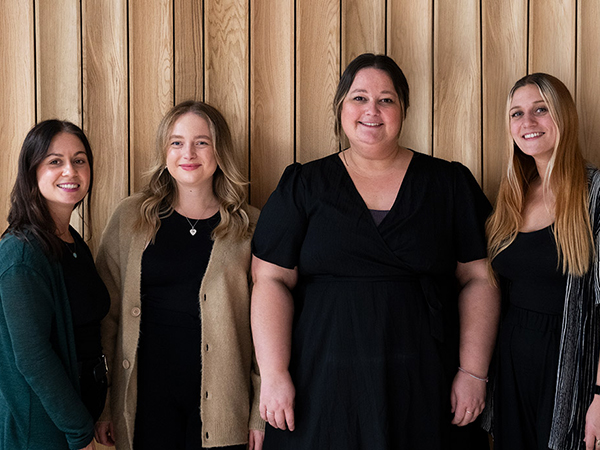
Call us for a chat about our holidays. We are happy to discuss your holiday and help in any way we can. No bots, queues or awful hold music.

01273 823 700
Call us until 6pm
Calling from outside the UK

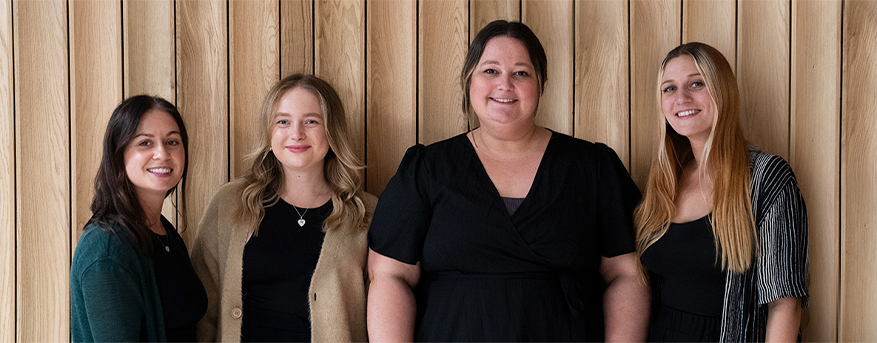
Wilderness adventure made easy
I travelled in a minivan with a handful of other equally astonished passengers – but how about something a little different? Some of our Alaska overland use a retrofitted school bus – roomy, comfortable and with enormous windows for widescreen views of the landscapes beyond.In Denali, those views might be of the sharp, shining slopes of the highest mountain peak in North America. In Kenai, it’s fjords complete with the promise of bears and belugas. Towards the Interior, it’s a dramatic combo of canyons, glaciers and fault lines. Many of these roads are popular summer driving routes, but there are plenty of chances for heading off-piste too.
“There’s so much more to discover beyond the well-known sights,” says Natalie, “and we love helping others experience that side of the state.”
Our holidays go to Denali National Park, but also suss out the special experiences that step away from the summer road-trippers – waterfall hikes to secret salmon runs and cabins that can only be reached by boat.
“The national parks and wilderness are totally underestimated in the USA,” says Natalie. “You can get totally lost without cell phone reception, and in fact it can be very challenging.”
Even well-visited spots such as Kenai Fjords National Park have no phone signal – extraordinary to visitors from places where wilderness is rare. That’s where our experts come into their own, making the challenge of travelling off-grid easy. You’ll get a taste of wilderness without working out how to safely navigate it. They’ll also share why they love it.
“We prefer this style of travel because it takes us to remote places, far from typical tourist areas,” says Natalie. “Overland travel lets us disconnect from the grid – away from amenities, hotels, and the noise of everyday life…. There have been memorable bear encounters, but what stands out most is simply being so close to nature and far from the hustle and bustle.”
Meals made in Alaska: where salmon is king
All that wilderness creates self-sufficient communities that welcome small group tours. Our overland experts work with local suppliers wherever possible, picking up food from farmers’ markets and stocking up on seafood like they’re going into hibernation. You’ll cook that salmon under the stars – or under the eerie low glow of the midnight sun in summer – with guides who double as camp cooks.“In Alaska, you can get amazing seafood, with freshly caught salmon and halibut at a decent price because you are right at the coastline,” says Natalie. “Sometimes you can buy it directly from the local fishermen.”
It’s not the only thing kept local. Our experts prioritise small, locally owned accommodation, activity providers and souvenir shops throughout. “We make an effort to support local businesses and reduce our carbon footprint whenever possible, though it’s not always easy,” says Natalie. “Responsible tourism can definitely make a difference by being more mindful of these choices.”
Staying and eating in small businesses is also an easy way to meet local people. Guides will be full of stories and anecdotes. Many people live off subsistence hunting, storing their catch for winter, or have been using renewable energies for years, thanks to their off-grid locations.
“Americans love to talk and are interested in other people,” says Natalie. “Even if you come from a culture that isn’t as open and ‘talky’, go into a local bakery or shop, and just talk to people. Tell them what you are interested in seeing locally and they will be more than willing to help you.”
Our experts, like Natalie, run our trips in the same spirit. Their vehicles aren’t yet wheelchair accessible, but they are keen to welcome as many travellers as possible, so do chat about any access requirements. In the past, our tours have welcomed guests with limited mobility and limited vision. Camping – where it’s just you, the wilderness and friendly voices around the campfire – can be a great option for travellers managing sensory overload.
This is a trip I will always remember! The group was fun and supportive. We were aged 25-75 so it really is for all levels – you set your own challenges (such as ice climbing!).![]()
– our traveller Katharine Bowlus
Midnight sun or salmon run?
Our overland trips usually depart in late spring, summer and early autumn. June is best for baby animals; May, June and August for chasing the salmon run; late August for luminous autumn foliage, bears feeding up in preparation for hibernation, and early glimpses of the Northern Lights.
“Don’t be put off Alaska because you think it will be too cold,” says Natalie, “there are almost 24 hours of sunlight… you arrive at the campsite and at 9pm you sit at the campfire with the sun shining in your face. It might only be 18°C by then, but because the sun is shining, it always feels warmer. I love that feeling.”
That said, if snowy scenes are your thing then we have Northern Lights overland holidays in Alaska that run from September to April. Few roads are snow-free in winter, so you’ll stay in one lodge and set off on a shorter road trip each day – perhaps to the Morris Thompson Cultural and Visitors Centre for an education and celebration of Alaska Native culture, to snowy forests to walk with reindeer, or to hot springs and ice sculpture museums.
“Don’t be put off Alaska because you think it will be too cold,” says Natalie, “there are almost 24 hours of sunlight… you arrive at the campsite and at 9pm you sit at the campfire with the sun shining in your face. It might only be 18°C by then, but because the sun is shining, it always feels warmer. I love that feeling.”
That said, if snowy scenes are your thing then we have Northern Lights overland holidays in Alaska that run from September to April. Few roads are snow-free in winter, so you’ll stay in one lodge and set off on a shorter road trip each day – perhaps to the Morris Thompson Cultural and Visitors Centre for an education and celebration of Alaska Native culture, to snowy forests to walk with reindeer, or to hot springs and ice sculpture museums.
Best road trips in Alaska
The scenic roads of Alaska lead into each other like tributaries – but which way to choose? Some decisions are easy; after all, there’s only one road through Denali. Others are trickier – at what junction is the turn-off for the glacier? Is it really worth journeying the full 500km from A to B? Our overland adventures cut to the chase and take you directly to the best bits – like these…
Denali Park Road – for Alaska’s ‘Big Five’
Favourite place for an overland adventure in Alaska? “The trails in Denali National Park, where you are completely off roads and hiking trails too,” says Natalie. “You can climb up mountains that are so big, you are made to feel totally small. This is mind-blowing for me.”
You’ll reach those trails by Denali Park Road, which stars in most of our Alaska overland trips, joining McKinley Park Village to the old gold-mining camp of Kantishna. The first short stretch is open to all; the rest is reserved for tourist shuttles to help control the flow of traffic and shield landscapes from damage. The road continues to weave alongside the Alaska Range, dipping into river valleys and up to high mountain passes. Mount Denali’s towering peak is often obscured by drifting cloud, but even then the view is awe-inspiring – especially when Alaska’s ‘Big Five’ of bears, moose, caribou, Dall sheep and wolves wander across the fence-free landscape.
You’ll reach those trails by Denali Park Road, which stars in most of our Alaska overland trips, joining McKinley Park Village to the old gold-mining camp of Kantishna. The first short stretch is open to all; the rest is reserved for tourist shuttles to help control the flow of traffic and shield landscapes from damage. The road continues to weave alongside the Alaska Range, dipping into river valleys and up to high mountain passes. Mount Denali’s towering peak is often obscured by drifting cloud, but even then the view is awe-inspiring – especially when Alaska’s ‘Big Five’ of bears, moose, caribou, Dall sheep and wolves wander across the fence-free landscape.
Denali Highway – the old road to Denali
The Denali Highway is an old, mostly gravel road to Denali that runs for over 200km between Paxson on the Richardson Highway and Cantwell on Parks Highway. Lodgings range from glacier-view campsites to riverside lodges with roadhouse-style pool tables in the lounge. Our holidays spend a night or two along the highway, offering the chance to canoe along the Maclaren River and kayak around icebergs. Wherever you go, expect views of 3,600m-plus mountains all around. The Tangle Lakes are also home to Alaska Native archaeological sites that chart over 12,000 years of Indigenous history.
Parks Highway – path of the Alaska Railroad
Officially the George Parks Highway, most people stick with Parks – the only shortcut you’ll find on this 520km-long road between Anchorage and Fairbanks. It follows the route of the Alaska Railroad; you’ll stop off at the viewpoint for sky-high Hurricane Gulch Bridge. Eklutna/Idlughet – an 800-year-old Native village – has a historical park that tells the stories of Idlughet Qayeht’ana and Russian missionary residents, including a graveyard adorned with spirit houses and Orthodox crosses. Plus, there are lots of chances to glimpse Mount Denali; Parks Highway is the access road to Denali National Park.
Seward Highway – for Kenai Fjords
Names like Beluga Point, Bear Creek, Tern Lake and Moose Pass offer a hint that this road goes through one of Alaska’s best wildlife regions. Starting in Anchorage, the Seward Highway follows the length of Turnagain Arm (which will indeed be turning your head again and again – especially if the promised beluga whales pop up). It smooths onwards through the Kenai Peninsula, keeping the Chugach Mountains in sight. Look out for a sign marking the place where the Jesse Lee Home once stood. One-time resident Benny Benson designed the Alaska flag here – the only state flag of Indigenous design. Seward and Resurrection Bay are a dramatic finish and a spectacular springboard for Kenai Fjords National Park.
Sterling Highway – salmon run country
Sterling Highway was built in 1946 to help boost farm production and tempt tourists along the Kenai Peninsula – and it worked. Come summer, the Kenai Peninsula is filled with hikers, kayakers and campers. Thousands of salmon make their way up the rivers here too, including sockeye, coho and the metre-long king salmon. Where the salmon go, so do the bears – and unfortunately, so do the trophy hunters. Our trips stop for a hike through Chugach National Forest to quieter spots such as Russian River Falls, where you can see the salmon run in peace. Then it’s onwards, along the Kenai River and through Kenai National Wildlife Refuge. Homer Spit is the grand finale, where you can camp in view of the island volcano of Mount Augustine.
Glenn Highway – for high drama
Glenn Highway lays claim to the most dramatic stretch of scenery. It runs for 280km between Anchorage and Glenallen – the gateway to Wrangell-St. Elias National Park and Valdez. The scenery is supersized, so you’ll be driving by waterfalls, glaciers and whitewater rivers with a solid block of mountains always on the horizon. The Matanuska Glacier is a highlight, as is Eureka Summit, which has views over four mountain ranges – and sometimes herds of caribou. Salmon wriggle through the rivers too; watch for the bears and eagles that follow in their wake.
Richardson Highway – Alaska’s first road
The Richardson Highway wanders between Valdez and Fairbanks along an old trade route of the Ahtna, Eyak, Sugpiaq and Tanana Athabaskan people. It was the first major highway in Alaska, built in 1910 to support the supply and post routes to Valdez, a mining, cannery and oil port. Visit this terminus of the Trans-Alaska Pipeline to learn about its engineering feats, much-protested construction, and the disastrous Exxon oil spill. You’ll get more views of the pipeline zigzagging through the wilderness en route. Richardson also leads to Wrangell-St. Elias National Park. Camp by a glacier, try ice climbing, go rafting and hike to old mining towns.
Top Alaska road trip itineraries
Denali National Park adventure (12 days)
Denali National Park holiday: Anchorage > Denali National Park > Maclaren Glacier > Wrangell-St. Elias National Park > Valdez > Matanuska Glacier > AnchorageAnchorage to Fairbanks (13 days)
Alaska small group adventure: Anchorage > Seward > Kenai Fjords National Park > Moose Pass > Exit Glacier > Talkeetna > Denali National Park > Maclaren Glacier > Chena Hot Springs > FairbanksSalmon run adventure (20 days)
Salmon run adventure: Anchorage > Seward > Homer Spit > Hope > Anchorage > Denali National Park > Maclaren Glacier > Wrangell-St. Elias National Park > Valdez > Matanuska Glacier > AnchorageFew roads; many stories
For all its fame for extraordinary drives – including five tourist-friendly Scenic Byways that stretch over 1,500km – Alaska has the smallest road network in the USA.
What makes these drives so spectacular is also what makes them so few – construction defeated by climate and geography. Some of the tallest mountain ranges in North America run through Alaska. Three oceans carve the coast. Permafrost-laced tundra coats much of the Interior and north. The weather is a challenge too, ranging from rainforest-dipped oceanic climes to Arctic conditions that can make car travel impossible. Even Juneau is only accessible by air and sea – the only state capital without road connections – and cars are often swapped for floatplanes, sleds, boats and snowmobiles.
It’s easy to wonder why anyone started building roads at all. The answer? Gold.
What makes these drives so spectacular is also what makes them so few – construction defeated by climate and geography. Some of the tallest mountain ranges in North America run through Alaska. Three oceans carve the coast. Permafrost-laced tundra coats much of the Interior and north. The weather is a challenge too, ranging from rainforest-dipped oceanic climes to Arctic conditions that can make car travel impossible. Even Juneau is only accessible by air and sea – the only state capital without road connections – and cars are often swapped for floatplanes, sleds, boats and snowmobiles.
It’s easy to wonder why anyone started building roads at all. The answer? Gold.
A brief history: Indigenous trails, the Goldrush & beyond
Before roads, there were trails – thousands of kilometres of vital connections used and managed by Alaska Natives for trade, travel and hunting, before being co-opted as wagon routes by 18th- and 19th-century fur traders, prospectors and explorers.Then prospectors struck gold. The 1896-1899 Klondike Gold Rush – and then a wave of subsequent gold strikes in Alaska – saw the first big push in roadbuilding as around 100,000 people descended on the state to try their luck. Throughout the 20th century, resource extraction remained the main reason for pushing forward with roads – metals, coal and oil. A few were added as military roads. The Aleutian Islands practically touch Russia – great when relations were good in the 1800s; less so during the political tensions of the following centuries. With the popularisation of the car, the colonial governors of the 20th and 21st centuries recognised another valuable resource – tourists. We remain the biggest push for road building in Alaska today.
Most roads were built for extraction, but our overland holidays do their best to push for the opposite by investing in local people and places. That includes accommodation, food and activities, but also the telling of Alaska’s history. The best tour guides will regale you with popular stories of the goldrush and pioneer characters minus the romantic gloss – and point you towards oft-ignored stories of Alaska Natives who have spent over a century fighting for land rights.
And each year, more people add their own stories to the roads. “After 10 years of doing this, I’ve collected countless memories,” says Natalie. “One especially personal one is when I went on a trip while pregnant – and now, I regularly bring our son on these adventures.”
More Alaska articles

Alaska: best time to visit. Read our advice on when to travel to Alaska for tips, including weather charts and FAQs.

Read our Alaska travel guide and you’ll quickly find all the information that you need to make the most of your time.

Read our guide on where to go in Alaska to discover the highlights and top itineraries of the biggest state in the USA.

The wildlife in Alaska is larger than life, with bears, whales, muskox and moose roaming this vast state.

Alaska small ship cruises wriggle their way around corrugated and whale-friendly coastlines. Find out more in our guide.

Learn all about the famously spectacular Denali National Park in our travel guide.

You can snooze under the sky-high eye of Mount Denali on an Alaska camping holiday.

We’ve asked our expert holiday partners for the best Alaska travel tips, from hiking how-tos to which camera to pack.

Read on to learn how to travel responsibly in Alaska’s fragile environment.


.jpg)
.jpg)