South Africa and Swaziland safari


Single supplement EUR 670. Minimum age 12.

Description of South Africa and Swaziland safari
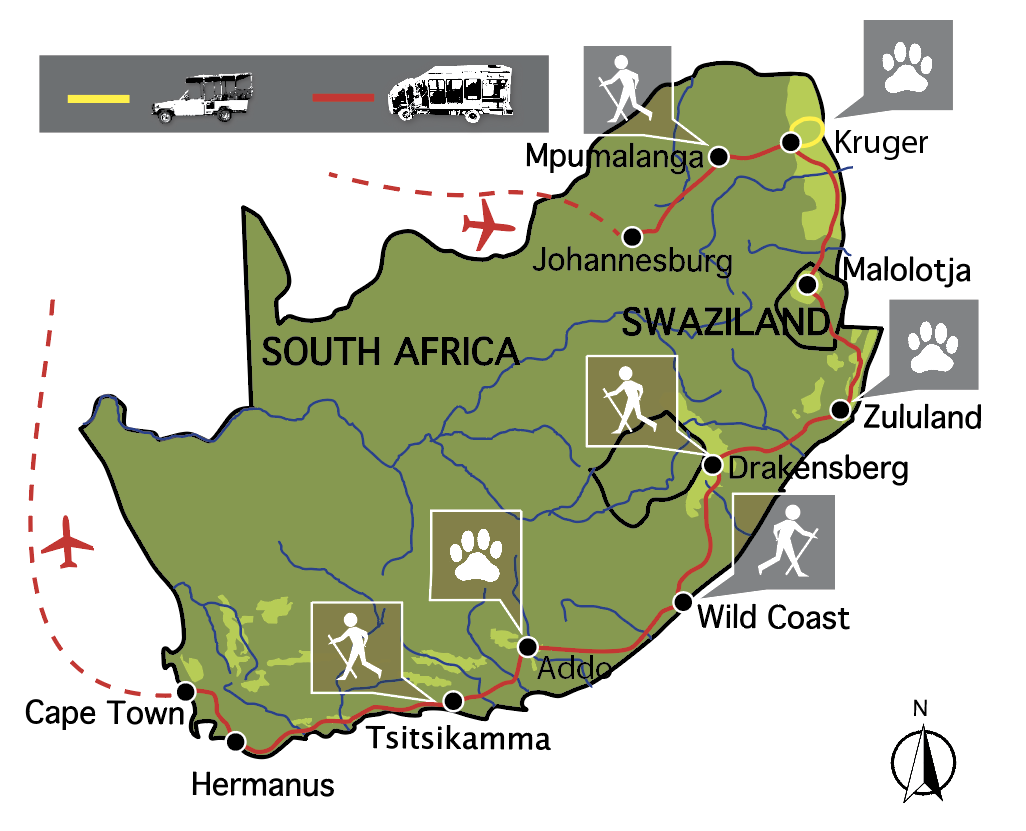
The Rainbow Route is an overview tour of South Africa including neighbouring Kingdom of Swaziland/eSwatini. The tour covers many highlights with a strong focus on the national parks. This diverse country is explored over great distances that may involve long days on the road, generally followed by a full day to experience the area. The fully accommodated tour offers a great value for money way to explore South Africa.
DEPARTS: JOHANNESBURG on Saturday at06:30am, ENDS: CAPE TOWN on Monday at +/-18:00pm.
Highlights
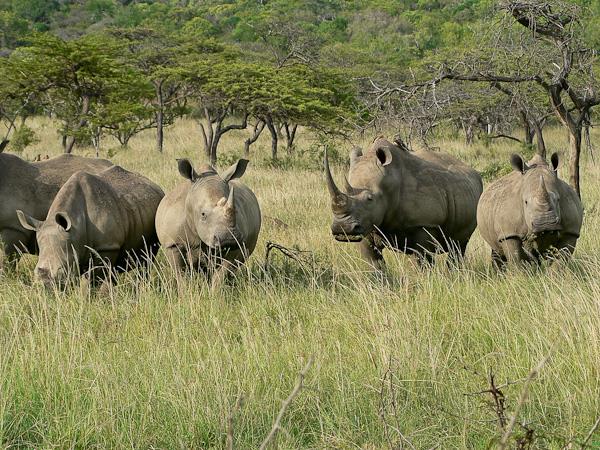
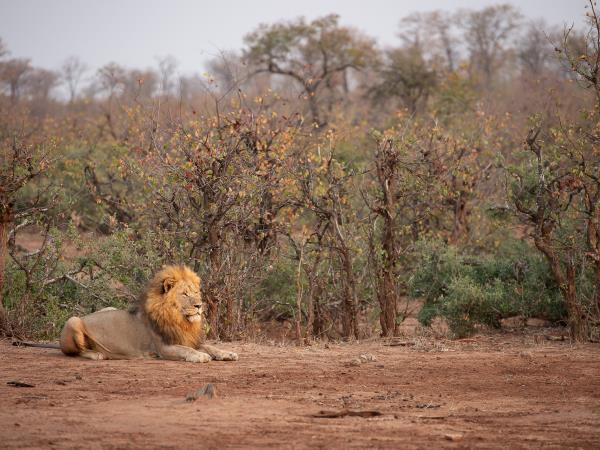
* Kruger National Park–game drives
* Swaziland/eSwatini–mountain walks
* Zululand–game drives & cultural village
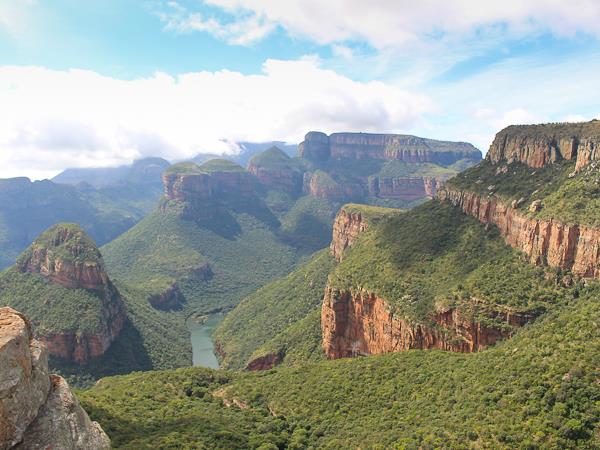
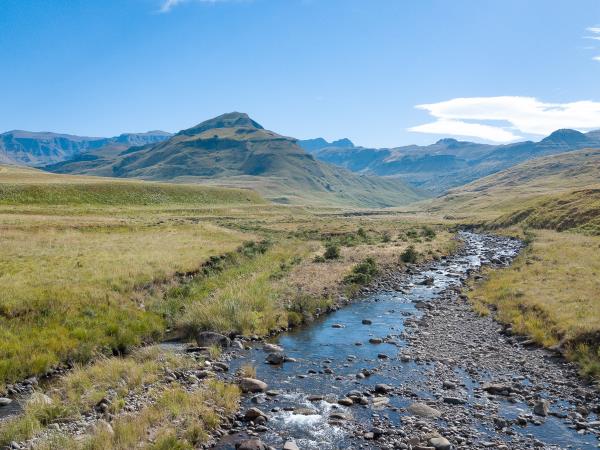
* Drakensberg Mountains–mountain walks
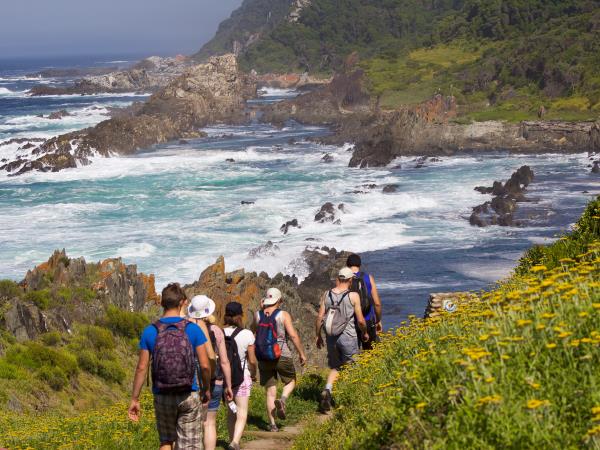
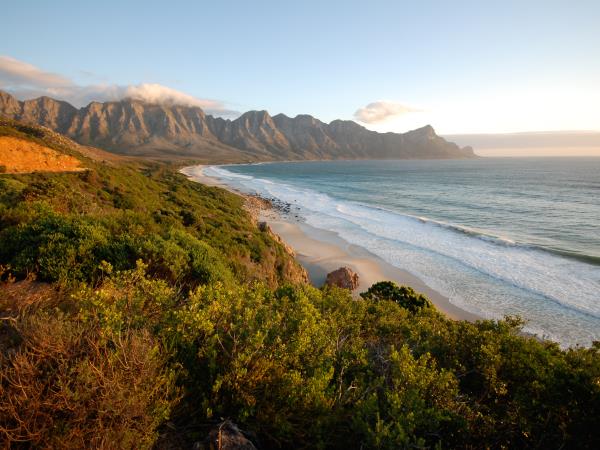
* Wild Coast–beach walks & Xhosa culture
*Garden Route–forest walks, beaches and whales
* Cape Town–Cape Point & Table Mountain
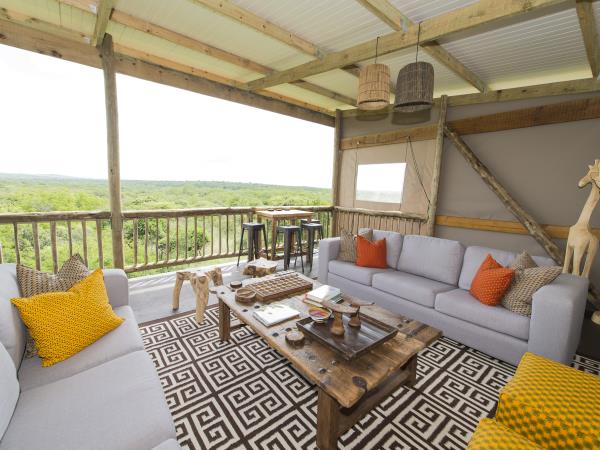
Overnight - 16 nights on safari we stay at small lodges and guest houses, with en suite facilities. Meals - 16 breakfasts, 12 lunches and 10 dinners are included. Of which 12 breakfasts & 6 dinners are provided by the lodge. The remaining included meals are provided by the crew, prepared at the vehicle and eaten around the campfire or in a boma or dining area. Transport we use custom-built Safari trucks with 12 forward facing seats. The vehicles are comfortable for cruising and excellent for game viewing with large sliding windows and front hatches for ease of viewing. On5% of tours we may use Mercedes Sprinter minibuses with 12 seats and air conditioning (with trailer for equipment and baggage). There are several long days of travel providing for a beautiful journey on the way to exciting and varied destinations. Limited participation an essential part of your safari is some participation. From carrying your own bag to cleaning your window and packing the truck in the morning–it’s all part of your adventure and when everyone puts in a little effort the trip will run smoothly (especially on the longer days). Where the tour leaders provide meals, we ask that clients help (on rotation) with the washing up.
Map
Price information
Single supplement EUR 670. Minimum age 12.
Check dates, prices & availability

Travel guides


Holiday information
Reviews
1 Reviews of South Africa and Swaziland safari
Reviewed on 11 Nov 2019 by Katherine Aisbett
1. What was the most memorable or exciting part of your holiday?
Seeing the animals in Kruger national.
2. What tips would you give other travellers booking this holiday?
Check who else is booked on your tour if you are a solo traveler. I had all
German speakers on mine that was very socially isolating.
3. Did you feel that your holiday benefited local people, reduced environmental impacts or supported conservation?
Not particularly. All accommodation was wonderful but all owned by white
South Africans with service provided by black South Africans.
4. Finally, how would you rate your holiday overall?
Very good on many levels but not being able to join in the tour group chatter did reduce the enjoyment. Great life lesson though.
Read the operator's response here:
We are pleased that you enjoyed the tour overall. Our groups are made up of clients from around the world and occasionally we have a large part of the travellers coming from one country. I am sorry that you found this to be a bit socially isolating.
With regard the accommodation that we source and support on this tour, the South Africa Rainbow Route, the accommodation is varied between Nationally proclaimed parks (such as at Kruger National Park and Addo Elephant National Park) and privately owned by South African local residents. In all of the lodges we use, South Africans are gainfully employed and the funds they receive from our patronage of these lodges flows directly into the local economies in the vicinity of the lodges.
For four of the nights during the tour (Kruger National Park, Addo Elephant National Park, Lotheni in Kwazulu Natal Parks) our accommodation and conservation fees are directly paid to the National Parks controlling organisations whom are mandated to employ and develop the local communities which live I the areas surrounding the national parks.
For four of the nights (Makuwa Safari Lodge and Zululand Lodge), the accommodation is on two privately owned game reserves. Both of these private reserves are owned by South Africans, and we employ all the staff from the surrounding areas and support local development projects. Zululand Lodge in particular was built from the ground up by Bruce Taylor and myself after we were able to secure original cattle farm land and have spent the last 7 years rehabilitating this land to restore the original habitat, reintroduce wildlife and create a conservancy. The lodge is designed to be off the grid, employs local staff from the region, This is a significant private initiative to develop conservation. 100% of the revenues that goes into these two lodges is spent in conservation, rehabilitation and training.
For one night the tour is in eSwatini, the Kingdom of Swaziland, and the lodge we used is owned by residents of eSwatini.
For the other nights of the tour the tour is accommodated in privately owned guest houses and lodges. These lodges are all owned by residents of South Africa and employ a variety of staff. Again as part of our selection process for the accommodation we use we insist that small lodges employ their main staff from residents of the area surrounding the lodges. Ensuring that the main benefit from your tour funds are directly flowing into the local communities. Many of the lodges we use have been developed and built from the ground up by their current owners and this investment into the local area when establishing their businesses is hugely beneficial to the economy and the people of South Africa.
Tourism has a multiplier effect and the impact our clients have in contributing to the economy can’t be overstated – perhaps this chain of economic events is not immediately apparent.
Sunway Safaris is based in Africa and the founders an directors are South African. We directly employ over 70 staff and source our guides from the entire SADC region. This means as a South African based company with itineraries that cover South Africa, eSwatini, Botswana, Namibia, Zimbabwe, Zambia and Malawi, with an operational bases in Johannesburg and in Maun, Botswana, by having local guides and utilizing local suppliers,we are effective at ensuring that the major portion of the tourism funds generated remain in those regions we traverse. We have been supporting the regions we travel in for 25 years.
Responsible Travel
Planet and people
Message from co-Founder of this Tour Operator. My name is Bruce and I am a founder of this tour operation. I believe that the old conservation tactic of the setting aside areas of "exclusion" for conservation are outdated.The reality is that in order for effective, sustainable conservation to take place, there needs to be an interest from the society of that country, conscious effort from government and local "buy in" from the local communities. Sadly the world is in a place where economic benefit is the overriding driving force of action and as such conservation is directly linked to economic benefit. Sustainable tourism is therefore absolutely essential for conservation to be effective. Not only for local communities to see value in conservation, but for countries as a whole to place value in protecting their natural heritage.
I believe there is a deep and instinctual link between our humanity and our natural environment. Inherently we all want to know that the wild places are still out there. And Eco-tourism gives us that opportunity, as we so often hear, to "rebalance" or "rejuvenate".
The various promises and commitments detailed below are only a representation of what it is that we do. I sincerely hope that our tours offer our clients an opportunity to experience the wonders of the African continent, and in some small way through focusing itineraries around wildlife and national parks, we contribute to environmental conservation both economically and spiritually.
If you join one of our trips, and have practical feasible suggestions about our responsible travel practices, please contact us. We strive to improve our operation and if we can do more for conservation in Africa, then we're all ears!
Low impact tourism & supporting local communities:
• Small group travel: We specialise in small group travel with a maximum group size of 12 clients & minimum of 4. Small groups ensures a small impact on the destinations we visit when compared to larger groups. Smaller groups create an intimate safari experience, and mean that when we interact with local cultures and stay in environmentally sensitive areas, we do not leave a large footprint.
• Fuel consumption: By travelling in a small group your carbon foot print is approximately ½ of self drive safari. The average pick-up car hire runs on approximately 12ltr/100km with generally 2 people per vehicle and this equates to approximately 6ltr/100km pp. Our average safari truck runs on 25ltr/100km with an average of 9.5 clients per tour and this equates to 2.6Ltr/100km pp. So, by joining a small group tour, your fuel consumption is less than half of doing a self-drive 4WD or pick up trip.
• Cooking: We cook using gas as far as possible and, whenever feasible, avoiding cooking using fire or coal which depletes limited wood resources.
• Wooden carving curios: We do take clients to local curio markets to support the local communities. If they want to buy a carving, we encourage clients purchase only small wooden carvings instead of large pieces. This is in an effort to again conserve the forests around the carving markets.
• Waste: We ensure that we take all of our rubbish out of wilderness areas and use proper waste disposal facilities on all tours (and in the workshop, including oil traps, oil recycling, cleaning products etc).
• Entrance fees: All entrance fees for the national parks in each country are used by the local authorities to maintain the condition and infrastructure of the national parks, and run regular anti-poaching patrols. These are often supplemented by government grants. The national parks support a large number of local community members often providing housing and schooling for the staff families. For us as a tour operator, supporting the various national park boards is an essential element to each tour.
• Accommodation: On all tours wherever possible we use locally owned accommodation establishments which are involved in local responsible tourism initiatives. This provides direct benefits to local communities through employment. We avoid large hotel chains and more commercial properties but opt for simple self-catering lodge, B&B’s and tented camps for accommodation in rural areas. By doing this we create an intimate environment for group away from large scale tourism and the communities around the accommodation benefit directly through employment and this creates pride and further interest in sustainable tourism as the communities have tangible benefits from tourism. Our tours focus on out of the way destinations, and as such, our “spend” is distributed into rural areas.
• Drinking Water: Each client, drinking 5 litres per day from 1 litre plastic bottles produces 100 waste plastic bottles on a 3 week safari. On this calculation, we would pollute the environment (and waste energy resources in plastic production) with over 250,000 plastic bottles per year! So as solution, each of our vehicles has a tank of clean drinking water that is filled up along the journey. This is safe tap water. We do not provide bottle water we encourage clients to drink the local clean drinkable tap water wherever possible in order to minimize the amount of plastic bottle waste produced by the purchase of bottled drinking water.
• Water conservation: We are acutely aware that in many areas that we visit water is a scarce resource. Clients are encouraged to be conscious of water usage and not to take long showers or waste water.
• Wildlife: On all game drives, our trained and qualified guides ensure that our groups interact with wildlife in the appropriate way. Slow movements, no loud noises and to respect the animals “personal” boundaries. Our philosophy is that we are visitors in the amazing places that we visit, and we do not want our presence to impact the wildlife and environment in any negative way. We also enforce a policy of not feeding any wildlife (animals habituated to human feeding will turn aggressive in the future which often results in authorities being forced to kill that animal) and to appreciate the natural state of the areas that we visit and to leave the area in exactly the same condition that it was when we arrived.
• Local guides & communities: On each tour you will travel with two guides for the entire trip. In addition, we also employ local guides for certain activities on tour. These local initiatives help to maintain local cultures and also sustain the ideals of wildlife conservation. Tourism, goodwill and conservation all work together and we aim to maintain the delicate balance at all times! The employment of local guide adds value to our clients visit because they can gain specific local knowledge and expertise from the people who actually live permanently in the area they are visiting. These interactions also give our clients the chance to meet local people and see how tourism is benefiting Africa, piece by piece.
We use local guides at:
Botswana: Okavango Delta, Chobe NP, Ghanzi San Bushman excursion, national parks
South Africa: Mkuzi village walk, Qunu Mandela historical site, Kozi Bay
Swailand: Hlane walking
Lesotho: Malealea Lodge pony trekking guide
Malawi: Boat excursion on Lake Malawi
Mozambique: Dhow excursions
Namibia: Brandberg walk and drives (part of the Tsiseb Community Conservancy), Spizkoppe walk, Gariep River canoeing, Sossusvlei 4WD drivers,
Zambia: Lower Zambezi Canoe excursion, South Luangwa game walks and drives, Vic Falls optional activities
Zimbabwe: Great Zimbabwe Monuments, Matobos NP, Hwange NP, Victoria Falls
For more information on each of the community projects please talk to your guide or contact us.
• Local crafts and produce: At all local markets where fresh produce and crafts are sold and produced, we encourage the clients to barter (gently and in good humour) with the local people. This not only allows the clients to get involved with the local way of life, and interact directly with the local people, but also provides them a platform to experience local life first hand. Having said that, we explain to the clients by bartering too hard for a good deal might seem like a lot of money at the time, but if the amount being haggled over is converted to either US$, Euro or GBP, it amounts to very little. This is the local livelihood and we advise them to keep this in mind at all times.
• Underprivileged Children Groups: We operate a number of tours into the national parks of South Africa for underprivileged children from schools based in Johannesburg, South Africa. PEN Organisation is an independent, non-governmental and social development organisation. Its activities focus on neglected and abandoned children and orphans, as well as disadvantaged families. We try to run these tours as often as possible during the course of a year. We believe that the youth are Africa’s future and that environmental education is important. This opportunity allows them to see for themselves wildlife (perhaps for the first time), nature conservation at work, and also show them employment opportunities that are available in the conservation or tourism industry, and possibly encourage them to follow a career in tourism (for this reason we aim these groups at 14-18 year olds).
• Wildlife Rehabilitation Centre: We assist a wildlife rehabilitation centre in Springs, Johannesburg. Judy Davidson runs a licensed rehab centre from a small holding. A variety of birds are cared for, from injured barbets, doves, and crows to a brown snake eagle, a Gymnogene, and spotted eagle owls. All birds are treated in a small makeshift clinic, and then kept in aviaries until they have recovered. Once able to fly, or care for themselves again, they are moved to a 'flight' aviary, for a period until they have regained strength. They are then released back into the wild. Those birds which are unable to be released are kept in large aviaries and fed through various donations. We assist the project with donations of practical equipment including shade netting, paint and other items on their wish list.
Popular similar holidays

The Garden Route and beyond, South Africa
From £2350 12 days excluding flights
Leisurely, family-friendly, self-drive South African holiday

Self drive South Africa holiday
From £3595 15 days including UK flights
Explore Cape Town, the Winelands and the Garden Route

South Africa holiday, Cape Town to Kruger
From £5999 10 days excluding flights
Cape Town, Kruger and Victoria Falls