Rwanda travel guide
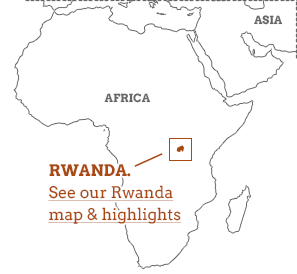
Visiting Rwanda is a bit like doing a triathlon. It’s challenging, exciting, tiring and emotional. It also has three important aspects: people and culture, national parks and gorilla watching. It is most celebrated for its gorilla populations and strictly managed safaris in Volcanoes National Park. However, Rwanda’s other two national parks are also habitat havens. Nyungwe boasts chimps and other primates, and Akagera is a veritable ark.

The last thing you expect to see at Rwanda airport is a sign saying that all plastic bags will be confiscated. They have a countrywide ban. Rwanda is full of surprises.![]()

It is the people, their history and culture that will make your heart skip a beat or two, however; as you will discover not only in the beyond moving genocide memorials, but also by immersing yourself in the infectiously life affirming culture – dancing in Kigale’s music hotspots, or taking a walking tour in its Nyamirambo Muslim quarter. Head out on a night trip with the fishermen of Lake Kivu, listen to their ekiovu songs echoing across this mountain enveloped waterscape, and you’ll get a medal if you aren’t moved to tears. See our Rwanda travel guide for more details.

Rwanda is…
reborn. And you will feel that way too after visiting it.
Rwanda isn’t…
just about gorilla trekking.
What we rate & what we don’t
Underrated
Wheelchair accessible travel
Many Rwanda visitor attractions, particularly those in the capital, Kigali, are wheelchair accessible, and there are a growing number of suitable accommodations too. Specialist gorilla watching tours are available too, where porters will transport you on a throne chair or stretcher, and your wheelchair will be carried on another porter’s back. More detail can be found in our guide to wheelchair accessible holidays.
Kigali
A vibrant capital set among lush valleys; don’t just whizz through before heading to the mountains. It is the cultural heart of the country. Take a motorbike taxi to Kimironko market, Nyamirambo Women’s Centre or Caplaki Crafts village for some shopping, or check out the arts and music scene. Rwandan rap or Congolese Rhumba beat through the night here. Check out the Kigali International Peace Marathon in May. too.
Monkeys in the mist
So often upstaged by the gorilla godfathers (and hard not to be, to be honest), you don’t have to spend so much on trekking to see chimpanzees. Nyungwe Forest National Park is the place to go, where a tracking permit costs US$100 per person to see not only chimpanzees but also Ruwenzori colobus and L’Hoest’s monkeys. Rare golden monkey tracking takes place in Volcanoes National Park, at US$75 per person.
Akagera National Park
On the border with Tanzania, this is one of East Africa’s least known wildlife parks and yet it has superb populations of giraffe, zebra, buffalo, hippo, elephants and lions. It is also beautifully biodiverse, boasting the largest wetland in Central Africa with its Akagera River feeding into a labyrinth of lakes as well as forest, savannah and low lying hills.
Rated
Gorilla trekking
Gorillas are like the godfathers. The largest and most powerful of the great apes, you are only granted an hour’s sitting with them. Godfathers don’t come cheap though, with permits costing up to US$1,500. Head with a specialist tour operator into Volcanoes National Park to see silverbacks and their families at home; this is a wildlife watching experience like no other.
Volcanoes National Park
As well as its six active and three extinct volcanoes, this national park boasts 400 gorillas, endemic golden monkeys, forest elephants and hiking trails for seeking out all this beauty. Volcanoes protects the Rwandan section of the Virunga Mountains that straddle the borders of Rwanda, Uganda and Democratic Republic of Congo. The gateway town is Musanze, formerly known as Ruhengeri.
Rwanda plus
Combine time in Rwanda with gorilla trekking not only here but also over the border in Uganda, in Bwindi Impenetrable National Park. You can also visit Rwanda as part of an overland odyssey through Kenya, Malawi, Mozambique, Tanzania and Uganda, or the iconic Nairobi to Cairo overland tour. Alternatively, opt for a beach trip at the end of the rainforests by heading out to Tanzania’s Mafia Island.
Memorials
A silent, sobering trip to the Kigali Genocide Museum and Memorial is a must on any tour of Rwanda. The Nyamata and Ntarama Genocide Memorials, both under an hour from Kigali, are the scenes of former churches where thousands were massacred. We also rate reading up on the country’s history before you visit to try and gain some understanding.
Overrated
Probing about ethnicity
The 1994 genocide and painful years that came before and after are a recent memory for many people. They are still grieving and so please don’t invade Rwandans’ privacy by asking probing questions. Many lost relatives and friends. It’s important to note that the notion of ethnicity was outlawed by the government in 2004. You don’t declare ethnicity on public documents; everyone is simply Rwandan now.
Disturbing the peace
Rwandans have a quiet nobility about them. They don’t like confrontation or big emotional gestures. They deal with things quietly and politely. They have a great respect for elders and they don’t appreciate rudeness or being shouted at. Coming together in peace and reconciliation is what Rwanda is all about now.
Ignoring the gorilla rules
Rwanda has a very strict set of rules which you must adhere to if you are lucky enough to see them. Read more in our gorilla trekking guide but, in short, you can’t stay in their presence for more than an hour, if you are sick you can’t go at all, you can’t touch them or go closer than 7 metres, and you mustn’t use flash photography. These regulations are designed to protect them – and they work.
Eating in public
Leave your snacking habit behind, because eating in public is not considered to fit in with Rwandan culture. It is changing a little now with more international restaurants in Kigali, but there isn’t a traditional culture of eating out or with strangers in Rwanda; it’s a family affair. So don’t tuck into a Mars bar in a taxi or munch an apple on a boat trip. Keep snacks for the privacy of your own room.

Rwanda primate holiday, 6 days
Gorilla, Chimp, Colobus and Golden Monkey trekking in Rwanda
From
US $4145 to US $6320
6 days
ex flights

Rwanda luxury gorilla safari
Gorilla trekking with luxury lodge accommodation in Rwanda
From
US $5737 to US $8316
4 days
ex flights

Uganda & Rwanda wildlife holiday
The best primate & wildlife experiences across two countries
From
US $4753 to US $8904
12 days
ex flights

Primate tour in Rwanda and Uganda
Track down mountain gorillas and chimps in Uganda & Rwanda
From
£4595
11 days
ex flights

Rwanda primates & Mafia Island holiday
Trek to mountain gorillas, then relax by the Indian Ocean
From
£5950
10 days
ex flights

Rwanda highlights tour
Chimpanzee tracking, gorilla trekking & Lake Kivu relaxation
From
£7450
7 days
ex flights


Contact Us
Call us for a chat about our holidays. We are happy to discuss your holiday and help in any way we can. No bots, queues or awful hold music.

01273 823 700
Call us until 6pm
Calling from outside the UK

Food, shopping & people
Eating & drinking in Rwanda
Brochettes (grilled meat or fish on a stick) are everywhere and delicious. A fishy treat is fried sambaza served with a peanut sauce.
Icayi is the word for Rwandan black tea, served everywhere. Have it with your mandazi deep fried dough balls.
Ugali is the staple: a white ball of maize served with vegetables or meat.
City cafes often serve ‘Mélange’ which is a buffet of potatoes, bananas, beans, rice, cassava and salads. Sometimes with meat too.
People & language
Kinyarwanda is the main indigenous language or Rwanda, and part of the Bantu linguistic family. English is the language used in schools, however, as the government switched from French to English in education after the genocide. Many Tutsi learned English while exiled in Uganda or Tanzania, and a small minority still speak French. Rwandan people are very friendly, and love their greetings too. Brave a few of these:
Goodbye = murabeho
How are things going? = bite se?
Fine thanks = ni meza
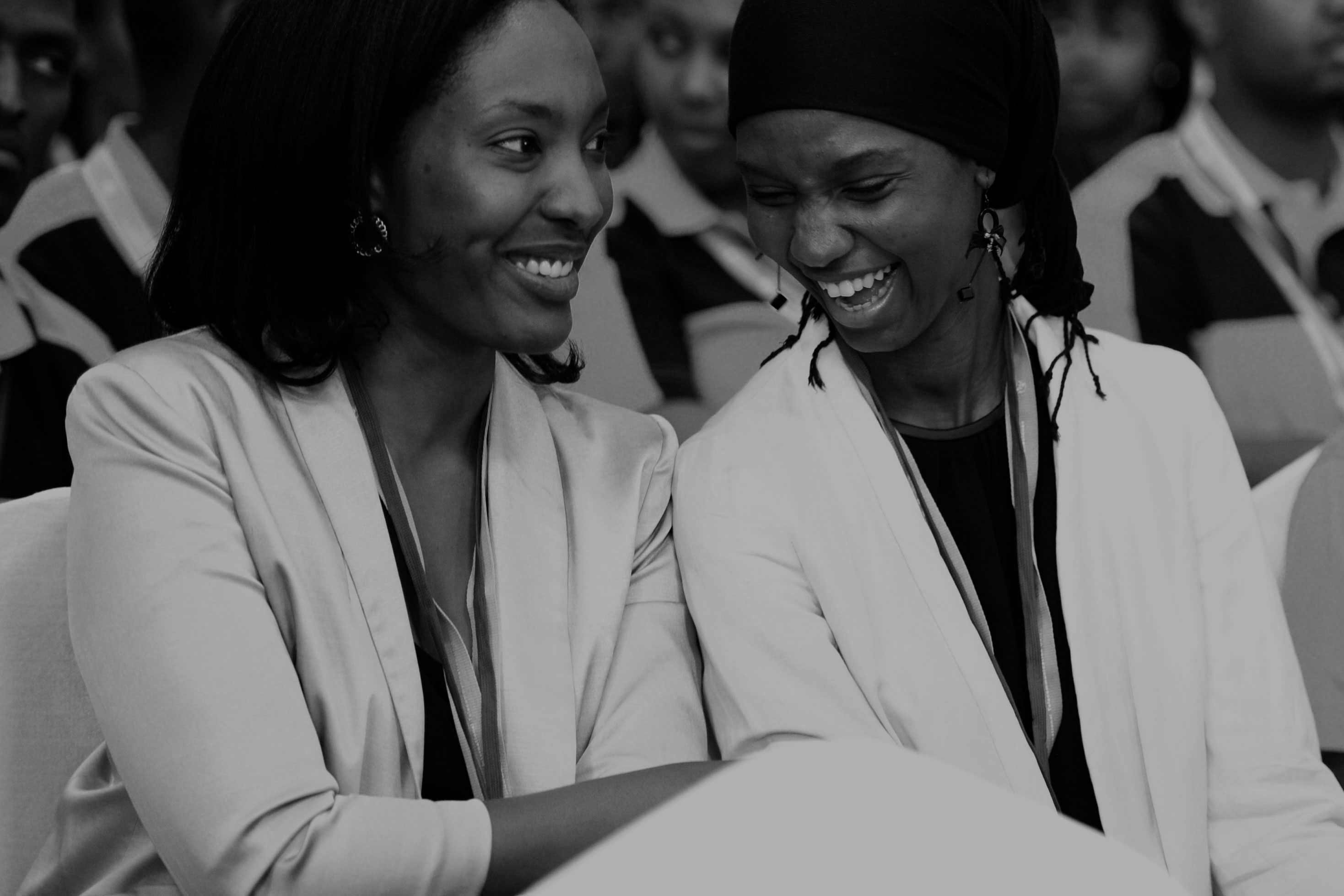
According to the 2017 World Economic Forum’s Global Gender Gap Report, Rwanda comes fourth in the world for equality, after Iceland, Norway and Finland.![]()
Gifts & shopping
Akabanga chilli oil is a top and hot local gift.
Seek out the Nyamirambo Women’s Centre in Kigali, a cooperative of creative gems. The products are very cool, too.
There is a growing art gallery scene in Kigali, with bright bold paintings which reflect the kitenge fabric heritage. Ask for them to roll an unframed canvas for easy transport.
Sisal basketry is everywhere. Leave your hand luggage at home and bring a beauty back with you.
Banana wine is a Rwandan specialty. Best buy one with a Rwanda Standard Board mark, which means that the bananas weren’t crushed by feet and it isn’t bottled in old beer bottles. But it’s your call. ![]()
How much?
Local Primus beer: £1.50
Boat ride on Lake Kivu: £12-22
Gorilla watching permit: $1500 USD
Brochette: £0.80
Icayi or local black tea: £0.25
A brief history of Rwanda
There is no getting away from the word ‘genocide’ when writing about Rwanda’s history, and nor should there be. Although the country has created one of the cleanest slates possible with calm, crime free streets, litter free landscapes and a social programme where every citizen helps out in the community once a month, they haven’t swept the tragedy under a carpet. You just can’t. n 1994, over one million people were slaughtered over a period of 100 days in a government led genocide. Rwanda’s history will be forever stained by this horrific time; however, we must also look before and after to understand more about Rwanda’s history. Read more
More Rwanda articles

If you want to go gorilla trekking, the best time to go to the country is whenever you can manage to get a permit!

A country featuring volcanoes, verdant rainforest, the Virunga Mountains and a vast array of wildlife.

One of the world's great wildlife experiences is found when you trek in Volcanoes National Park and Virunga Mountains.

The most sought-after travel experiences in the world; the reality seldom disappoints.

Rwanda’s wonderful wildlife of gorillas and chimpanzees exists in the most densely populated country in Africa.

Whilst Rwanda’s protected areas are great for gorillas, you can spot birds everywhere.

From trekking to taking in the history, cultural awareness to local cuisine, Rwanda is a fascinating country.

Responsible tourism in Rwanda revolves around peace, respect and understanding.


