Sierra Leone travel guide
Sierra Leone’s tropical sands and lush interior have made far fewer headlines than the Ebola crisis or the decade-long civil war, but once upon a time this diminutive country was known as an off-the-radar holiday spot rather than a place of political and social upheaval. However, the country is open to visitors once again, and, for the moment at least, you can do so with few other tourists in sight.
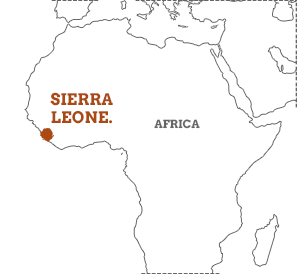

Sierra Leone is a sublime coastline, thriving rainforest, streets full of music and chatter, and sunsets that set the skies ablaze.![]()

What’s to see? Well, first off there are the beaches: a string of golden and powder white bays a short hop from the nation’s energetic capital, Freetown. Then there are the little-visited wildlife reserves, where you can track chimpanzees and bed down in rudimentary shelters, lulled to sleep by the sound of the rainforest. And all around you the country’s fascinating and sometimes brutal history is reflected in its ruined slave forts and colourful clapboard houses, built by freed enslaved people returning from the Americas.

Sierra Leone is...
full of natural beauty, from palm fringed islands to thick rainforest.
Sierra Leone isn’t...
dangerous. The civil war ended over 15 years ago and the country was declared Ebola free in 2016.
Things to do in Sierra Leone…

Sierra Leone small group tour
11 days of culture, rainforest, and beaches
From
£2899
11 days
ex flights

Sierra Leone holiday, Forts, Chimps and Beaches
A journey of discovery through this emerging nation.
From
£2085
8 days
ex flights

Sierra Leone discovery tour
Vibrant culture & stunning nature of Sierra Leone
From
£2395 to £2595
9 days
ex flights

Guinea, Liberia and Sierra Leone tour
Breathtaking mountains, idyllic islands and wild chimpanzees
From
£5199 to £5949
16 days
ex flights

Guinea, Liberia and Sierra Leone expedition
An epic journey through West Africa’s wild heartlands
From
£5695
16 days
ex flights

West Africa tour, Bissau to Cotonou
Voodoo heartlands, traditional storytellers and lush islands
From
£9899 to £10599
4 weeks
ex flights


Contact Us
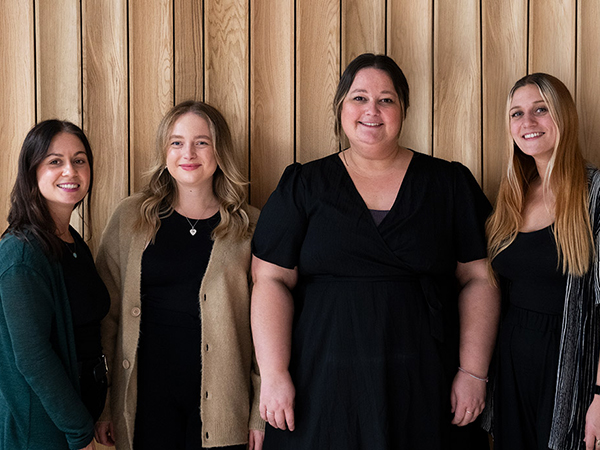
Call us for a chat about our holidays. We are happy to discuss your holiday and help in any way we can. No bots, queues or awful hold music.

01273 823 700
Call us until 6pm
Calling from outside the UK

Things not to do in Sierra Leone…

More Sierra Leone articles

As with other countries in the region the weather is always balmy, thanks to the position of the equator, but the best time to go to Sierra Leone is the dry season of November to April, when the roads will be passable, and the weather good for wildlife visits and beaches. Read more details below, including Sierra Leone travel tips from our West Africa experts.


