Pakistan travel guide
The snow leopard is Pakistan’s national heritage animal, with a few hundred of these rare beauties roaming its Karakoram Mountains. Travel in Pakistan is similarly rarified, in that few travel companies adventure there these days and, those that do, take you on journeys that will, like the snow leopard, surprise and make your heart leap. Not with fear, as many presume, but with joy, as you experience its natural and cultural greatness.
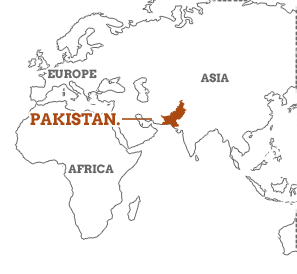

I thought I was going to need oxygen when I saw the sun rise over the Hunza Valley. Not because of the 2,500m elevation, but because I thought my heart was going to stop with the beauty of it all.![]()

Be it on mountain treks enveloped by 7000m peaks, on the ancient trails of the Silk Road, in alpine pastures dotted with traditional villages where apricot growers dry their fruits, or traditionally clad Kalash people gather their goat herds. However, there are those who, like the snow leopard, strike fear in Pakistan. But thankfully the tide is turning. Pakistanis not only treasure their country but truly value visitors and so, with the combination of increased security and a population that rejects sectarianism, tourism here is, mercifully, changing its spots.

Pakistan is...
for mountain lovers. But not necessarily mountaineers. The road access is second to none, enabling peak practice to be, thankfully, open to all.
Pakistan isn’t…
poverty stricken. Tourism was booming before 9/11, and beautiful boutique hotels, top service and top museums still astound and delight.
Things to do in Pakistan…

Hunza Valley cultural tour in Pakistan
Cultural trip to pristine Hunza Valley
From
£1490 to £1550
9 days
ex flights

Hunza and Skardu cultural tour, Pakistan
Experience the rich cultural heritage of Karakoram valleys
From
£2450
14 days
ex flights

Skardu Karakoram holiday, Pakistan
Cultural Adventure Holiday in Skardu Karakoram
From
£1760
9 days
ex flights

Nangma and Thallay La trek in Pakistan
Off the beaten track to Nangma and Thallay La
From
£2100
15 days
ex flights

Pakistan 14 day tour
Authentic local cultural experiences in Pakistan
From
£3100 to £3995
14 days
ex flights

Hindu Kush tour in Pakistan
Experience the incredible scenery & culture of the HinduKush
From
£3450 to £3760
15 days
ex flights


Contact Us
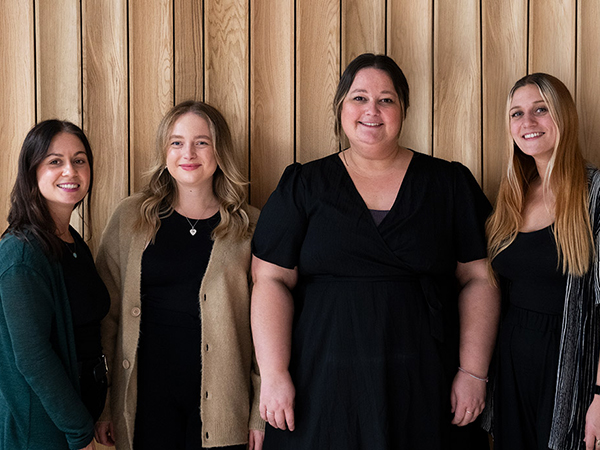
Call us for a chat about our holidays. We are happy to discuss your holiday and help in any way we can. No bots, queues or awful hold music.

01273 823 700
Call us until 6pm
Calling from outside the UK

Things not to do in Pakistan…
More Pakistan articles

Travelling in winter is generally a no-no as much of the landscape is covered in snow.


Look beyond the headlines and you’ll find a fascinating and welcoming country.


;_Tahsin_Shah_01.jpg
)