Sri Lanka travel guide
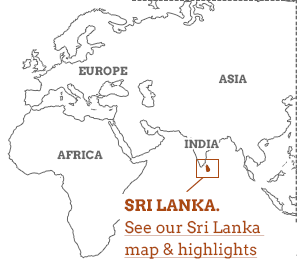
Tourism has officially hit the fast track in Sri Lanka. Gone are the days of tagging the country on to a trip to India. Temples and ancient kingdoms are appearing on magazine front covers. The rainforests and national parks have jumped to the top of every conservationist’s Christmas list. Palm beaches are alive with surfers, while families and honeymooners alike are off exploring by train. Travel responsibly, with care for the island’s history of colonial occupation and the 26-year war that ended in 2009, and you can help steer tourism in the right direction.

The Bo leaves on the Sri Lankan flag represent kindness, friendliness, happiness and equanimity.![]()

The best Sri Lanka holidays are a balancing act. Tour the Buddhist gems on the Cultural Triangle, but don’t overlook the Hindu temples around Jaffna, Colombo’s mosques and Galle’s churches. Hike Hill Country while learning about the realities of tea production in the plantations. (Clue: you won’t find it in the popular “tea picking experiences”.) Search out wild elephant families in national parks like Yala and Minneriya in the company of local guides who know their junglefowl from their coucals, safe in the knowledge that your tourist money is benefiting local people.
And, of course, read our Sri Lanka travel guide to find out more.

Sri Lanka is/isn't
Sri Lanka is...
where life is so much more than a beach
Sri Lanka isn't...
just for ageing archaeologists
What we rate & what we don't
Underrated
Northeastern Sri Lanka
Now accessible after the end of the war in 2009, infrastructure in the north-east is still relatively thin on the ground, but people are open and delighted to receive guests into landscapes and seascapes that are starting to breathe again, such as Pasekudah Bay or the inland lagoons and fishing villages around Kalkudah.
Kalpitiya peninsula
On the northwest coast, this is far from the all-inclusive resorts of the southwest, but home to the quiet, quintessentially idyllic beaches we all yearn for, with the Puttalama lagoon on one side and Indian Ocean on the other. The most developed beach is Alankuda beach with winds that make it kite surfing central, but there are other more sheltered havens. Whale and dolphin watching trips also go from here.
The Knuckles Ranges
Much less known than the Nuwara Eliya tea plantation regions, these tea covered hills rise to more than 1800m, and are a hiker’s hideaway in clouded forest of the central hill country. There are five major forest types here teeming with endemic birds and home to deer, monkeys, wild boar and the slender loris. Trails abound, as do cooling waterfalls. Get in.
Young travellers
Sri Lanka was traditionally a 60 + holiday, ‘doing’ archaeological highlights, harking back to colonial times and still calling it Ceylon. Yet with such a family orientated culture, Sri Lanka is surprisingly still relatively undiscovered for families, except at the ‘could be anywhere’ resorts on the southwest coast. With white water rafting, great food, elephants in the wild and surfing, getting real and responsible is so much cooler.
Rated
The Cultural Triangle
The ancient artery of Sinhalese civilisation, where tourists will debate whether the vast palaces of Anuradhapura are better than the extraordinary ruins of Polonnaruwa. Or if the caves at Dambulla are more worthy of a hike than the majestic rock Sigiriya. Just follow the trail of Buddhist pilgrims who still come here today in their thousands. For them there is no debate. They are all spectacular.
Train travel
The first train line was introduced by British colonists to transport coffee and tea from plantations to port, before being refined by Sri Lankan engineer B.D. Rampala for passengers rather than cargo. As spectacular as they are, don’t just stick to the mountain-crossing Hill Country trains. Explore the oceanside Coastal Line to Galle and – at last – the Northern Line to Jaffna, which had a celebratory reopening in 2014.
Cycling
A great way to get around Sri Lanka with a vast network of quiet roads alongside coconut groves, paddy fields and tea plantations. It isn’t all steep either, with a lot of the paths very manageable. You can hire a bike in the main tourist hubs, but not so easy in rural areas. It is also worth hiring a local guide if you are going into the rural areas, and many tour operators can organise this.
Geoffrey Bawa
A prolific Sri Lankan architect who died in 2003, his work is known as tropical modernism and seen in hillside houses, beach hotels and even the Sri Lankan parliament. His work is about connecting with natural heritage, working with landscape in a sustainable way long before it became fashionable. You can visit his gardens at Lunuganga. Look out for the work of Sri Lankan architect Cecil Belmond, a contemporary creative of similar genius status.
Overrated
Pinnawala
More of a circus than what it is sold as – an elephant sanctuary or orphanage. The elephants are, in fact, in captivity, many not orphans at all but bred on site, as this is a big tourism earner. And they are trained to interact with tourists in a way that is unnatural and unkind. Head out to the national parks to see these wonderful creatures in the wild instead.
Tea picking “experiences”
Going on a tea plantation tour? Skip the tea picking activity. Tea pickers are some of the most disadvantaged people in Sri Lanka – usually Tamil workers whose contracts haven’t improved much since their ancestors were brought over from South India by British plantation owners. “Having a go” at hard labour for fun isn’t our cuppa. Instead, do your research and visit plantations committed to worker welfare and travel with a guide who’ll give you a proper insight into the tea planter communities of Sri Lanka.
Nuwara Eliya
The highest town at 1,900m, and so a good outlook point for the British who made this their focal point for all things colonial. Although hard to know why as the weather is often pretty dismal here. It still feels like the Home Counties, with tea plantations and factories, mock Tudor, gentlemen’s clubs and cricket. Falls somewhere between ‘what ho’ and ‘WTH?’
Parts of the coast
There are many lovely beaches but on the southwest coast some of the beaches are very overdeveloped, catering for mass tourism, when in fact they look like idyllic isolated beaches online. So, if you want to tie on a couple of special beach days to a cultural holiday, head north, east or indeed northeast, and do your research.

Sri Lanka holidays, tailor made
Independent tailor made holidays to Sri Lanka
From
£2195
14 days
ex flights

Sri Lanka hill country tour
An active 2-week Holiday in Sri Lanka's cooler hill country!
From
£3142 to £4151
14 days
ex flights

Wildlife holiday in Sri Lanka, private departure
Wildlife holiday to see Sri Lanka's 'Big Four'
From
£2495
14 days
ex flights

Sri Lanka holiday, island explorer
Sri Lanka; wildlife, landscapes, culture and history
From
£1685 to £1750
14 days
ex flights

Small group holiday to Sri Lanka
Explore Sri Lanka's natural paradise
From
£1835 to £2895
15 days
ex flights

Sri Lanka wildlife holiday
Encounters with elephants, whales and hundreds of dolphins
From
£2257
14 days
inc UK flights



PLAY
Food, shopping & people
Eating & drinking in Sri Lanka
Hoppers (appa) – a bit like a pancake, egg hoppers for breakfast come with a fried egg in the middle. String hoppers (idiappa) are more like a patty made of noodles.
Fish markets abound along the coast and small guesthouses with be happy to cook it for you.
Rice and curry is everywhere. Expect delicious sambals to accompany them too, a bit like chutney.
'Short eats’ refer to sweet and savoury pastries, or snacks made from pastry or flatbread.
People & language
Thank you = Bohoma sthuthi
Sri Lankan people value life. The majority of people are faithful Buddhists, living the principles of Kindness, Friendliness, Happiness and Equanimity in life. It is also a poor country, and so haggling is a norm that may not equate with Buddhist virtues for westerners. Head into the hills and less touristy areas, and the openness of heart is unquestionably genuine. The Hindu population of the north lived through extreme conflict but are now celebrating peace. Also, ten per cent of the population is Muslim, and after years of war and strife, Sri Lanka is becoming a beacon of integration and cooperation again.
There are two main languages: Sinhala and Tamil. The main Sinhala greeting is Ayubowan (may you have long life)
In Tamil, the main greeting is "Vanakkam" Thank you = "Nandri"
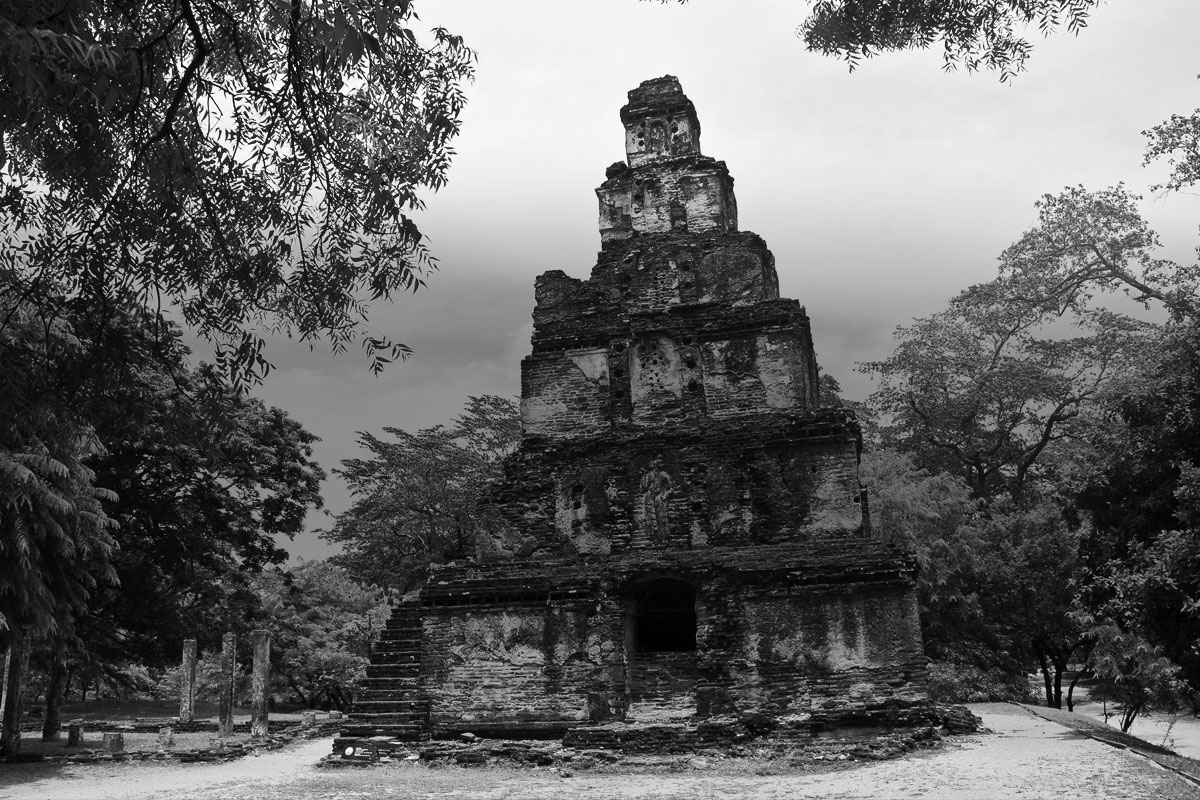
Previously known as Ceylon, the island was renamed Sri Lanka, meaning "resplendent island" in Sanskrit, in 1972
![]()
Our top trip
Sri Lanka holidays, tailor made
Independent tailor made holidays to Sri Lanka
From
£2195
14 days
ex flights
Tailor made:
Our tailor made Sri Lanka holidays can be arranged at any time to suit you, and adapted to your requirements as necessary although we do not offer trips for under 10 days.
Our tailor made Sri Lanka holidays can be arranged at any time to suit you, and adapted to your requirements as necessary although we do not offer trips for under 10 days.
Contact Us
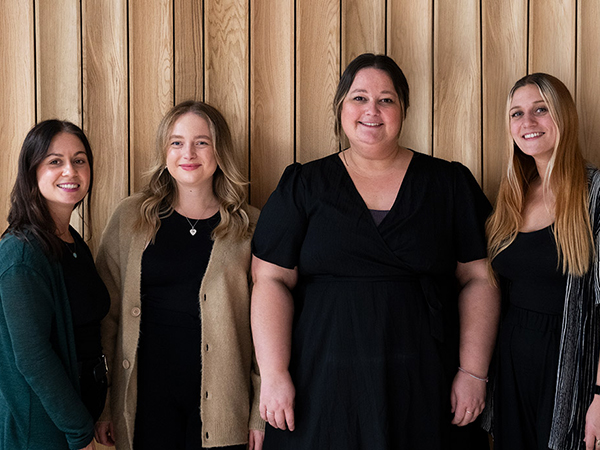
Call us for a chat about our holidays. We are happy to discuss your holiday and help in any way we can. No bots, queues or awful hold music.

01273 823 700
Call us until 6pm
Calling from outside the UK

Gifts & shopping
Spice is nice, of course, but stay clear of the overpriced spice gardens. Shop as locals do, at the markets.
Dikwella is famous for Beeralu bobbin lace making. Badly hit by the tsunami, the village is now reviving this tradition.
Ayurvedic medicine is available in pharmacies everywhere. Get a consultation for your ailments or bring some herbal happiness in a bottle back for a friend.
For ethically and locally sourced goods, check out the state owned boutique, Laksala
In an archaeologically sensitive country, do not risk buying antiques or anything over 50 years old. It’s illegal to export them.
Stay clear of public transport during the Buddhist full moon holidays, or poya. Because they are also full to the brim holidays.
![]()
How much does it cost?
Bottle Lion Beer £1.10-£1.50
Bike rental from small hotel -
£1.50 - £2.25 per day
£1.50 - £2.25 per day
Curry and rice from road stall - £1 -1.50
One way train ticket Colombo to Kandy -
£2-£3
£2-£3
King Coconut from road stall
– £0.05 - £0.10
– £0.05 - £0.10
A brief history of Sri Lanka
Like so many islands, Sri Lanka has had its fair share of uninvited visitors over the centuries. The richness of its natural resources, particularly spices, must have brought dollar signs to the eyes of the Portuguese who landed here in 1505 even though it was an accidental discovery, their boat having been windswept into Galle harbour en route to the Maldives Islands. By the time the Dutch took over in 1658, the Portuguese had left a firm imprint, and you can still hear the influence in the language, names, art, music, dance and architecture here. In 1796, the British moved in, bringing in Tamil labourers from India to work on tea, coffee and coconut plantations. The British also anglicised the Portuguese name for the island, Ceilão Português, to Ceylon. Read more
More Sri Lanka articles

Visit November tp April in the south-west and February to September in the north-east.

The most glimmering Sri Lanka highlights are the ancient archaeological and sacred wonders of the Golden Triangle.

Buddhism is often at the heart of culture, whether at ancient sites or contemporary temples.

Read about which hill towns to visit, why you should give tea picking a miss, and marvellous, misty Hill Country.

Not for those with vertigo, Sigiriya is a 200m-tall rock fortress.

There aren't many places where your family can see blue whales and leopards, plus travelling around is a total breeze.

Sri Lanka is a culinary paradise, where fresh local ingredients, sizzling spices and recipes.

Sri Lanka translates as ‘resplendent island’ in Sanskrit and after years of conflict both north and south are now united.

From the Sri Lanka blue magpie to the Sri Lanka leopard, the great Asian elephant to the ginormous blue whale...

White sands, swaying palms and all year round heat in the high 20s makes Sri Lanka 1,6000km of beach bliss.

So, you want a trip to the tropics that combines culture, history, and best of all, nature?

As if Sri Lanka didn’t ooze magic from every pore already, blue whales are here, too.

Yala National Park is home to a higher concentration of leopards per square kilometre than anywhere else.

You're likely to spot every endemic species here, thanks to conservation success.

Wonderful Yala National Park steals the show on many a holiday.

Our experts give great where, when, who and why Sri Lanka travel advice. Where to cycle, when to go, and whom to meet.

You can’t really go to Sri Lanka and not touch one of the points on the Golden Triangle, or its beaches and Ayurvedic spas.

There are many issues to take into account, sadly, when it comes to responsible tourism.

Find all of our Sri Lanka guides in one place, for particular types of holiday we offer such as culture, cycling, wildlife or more.


.jpg)
