El Salvador travel guide
El Salvador is far more likely to feature in newspapers than travel brochures; perhaps this is why it remains off most tourists’ radars. Maybe they also stay away because there is so little known about its attractions – who knows off the top of their head what there is to do here? Most stories focus on the Salvadorians who are emigrating, rather than the small but growing number of travellers who are arriving. But as our El Salvador travel guide shows, these intrepid travellers have stumbled across a well kept secret.
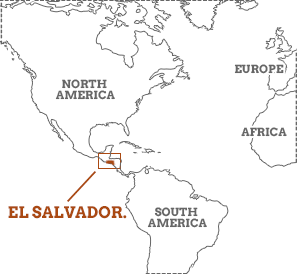

Tiny El Salvador would fit inside the UK more than 10 times, yet it is home to some 600 bird species, and 20 volcanoes, two of which are active.![]()

Four sea turtle species nest on El Salvador’s wild Pacific shores, and its sweet, shade-grown coffee is drunk the world over. The country’s dark past is revealed along the ‘Route of Peace’ that winds between former guerilla strongholds and once-devastated villages. The ‘Route of Flowers’, its creative counterpoint, leads travellers through artisan villages and vibrant food markets, in a wonderful display of the resilience and spirited culture of the Salvadorian people.

El Salvador is…
the smallest country in Central America, but the third most populous.
El Salvador isn’t…
at war, and hasn’t been since the 13-year-long civil war ended in 1992.
Things to do in El Salvador...

Highlights of El Salvador holiday
Explore El Salvador on this small group adventure
From
£1745 to £1755
11 days
ex flights

Nicaragua & El Salvador tour
Central American adventure, away from the tourist trail
From
£3865 to £4060
19 days
ex flights

Central America highlights holiday, culture & nature
Discover the cultural and natural highlights of Central America
From
£4804
19 days
ex flights

Central America guided trekking holiday
Off the beaten track volcano trekking
From
£3995
21 days
ex flights

Central America highlights tour
Experience five Central American countries in just two weeks
From
£2625 to £3085
16 days
ex flights

El Salvador tailor made holiday
A tiny country with big heart, truly off the beaten track
From
£2375
11 days
ex flights


Contact Us
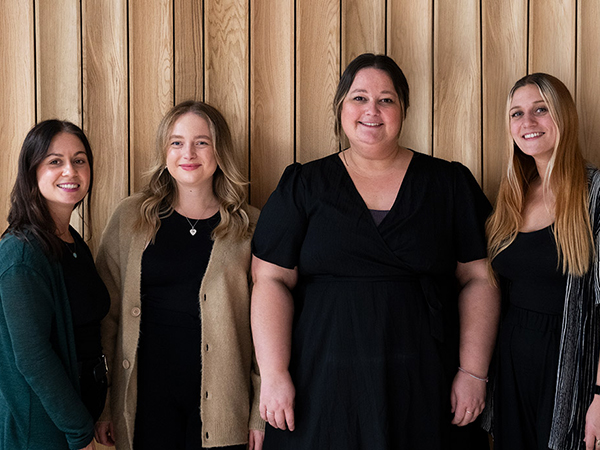
Call us for a chat about our holidays. We are happy to discuss your holiday and help in any way we can. No bots, queues or awful hold music.

01273 823 700
Call us until 6pm
Calling from outside the UK

Things not to do in El Salvador……
More El Salvador articles

Read our guide to find out when to go and what to do, and to get tips and recommendations from our experts.


