French Polynesia travel guide
“Parau api? Parau api?” The cry goes up from Tahitians asking for news; and as you disembark and search for the nearest crepe caravan or seafood stall you’ll smile and wonder whether you’ve become a source for the gossip grapevine. Of course, if you chose to travel onboard a cargo vessel then you’ll already be well aware of what news has been brought from neighbouring islands but you’ll still long to impart your own adventures just as soon as you find the nearest internet cafe and work out that pesky French keyboard.
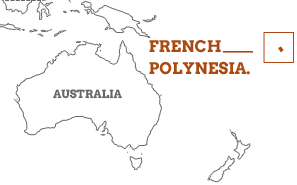

With more than 50 airports, only one of which serves international flights, French Polynesia is an accessible island nation but still relatively untouched by mass tourism.![]()

Thrilling whale encounters off Moorea, that incredible church on Tahuata, or an enthralling traditional Bird Dance on Ua Pou; whatever experiences form your front pages they’re bound to remain indelibly printed. From ancient carvings and sacred symbolism to snorkelling, swimming and sniffing for slowed cooked pig (hima'a), French Polynesia is well worth the column inches.
Find out more in our French Polynesia guide.
Find out more in our French Polynesia guide.

French Polynesia is...
a chance to practise French amongst the brush strokes of Paul Gauguin.
French Polynesia isn’t…
just another destination for coral destroying cruise liners.
Things to do in French Polynesia....

French Polynesia luxury holiday
Explore the untouched, secret islands of the Pacific
From
€6000 to €8000
14 days
ex flights

French Polynesia cruise in the South Pacific
Sail this Polynesian paradise visiting at least 12 islands
From
£2608 to £2908
12 days
ex flights

Tahiti and the Society Islands cruise
A cruise from Tahiti and the Society Islands 10 nights
From
£3417 to £5678
11 days
ex flights

Rurutu humpback whale swimming holiday in the Pacific
Adventure tour swimming with whales in Rurutu
From
US $4900
8 days
ex flights

French Polynesia small ship cruise
Sail around the vivid turquoise lagoons of Tahiti
From
£2226 to £3904
8 days
ex flights

French Polynesia luxury villa & catamaran cruise holiday
Relax on hidden shores where untouched nature meets luxury
From
€21000 to €25000
16 days
ex flights


Contact Us

Call us for a chat about our holidays. We are happy to discuss your holiday and help in any way we can. No bots, queues or awful hold music.

01273 823 700
Call us until 6pm
Calling from outside the UK


Things not to do in French Polynesia…
More French Polynesia articles

August to October is the best time to visit for whale watching, whilst December's expensive.

Travel on a ship that is also carrying vital supplies to the islands.


