Ghana travel guide
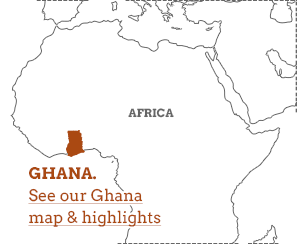
Ghana is a small country, but travellers will find many diverse experiences here. In just a week or two, you can meet a village chief, track wild elephants, bask on a tropical beach, learn to dance or drum, participate in Ashanti festivities and cruise down a river in search of hippos – and it’s unlikely you’ll spot many other tourists while doing so.

Colourful, handwoven kente cloth is richly layered, deeply traditional, and has strong associations with tribal chiefs and kings. In short, it's the perfect symbol for Ghana.![]()

It’s the little things that count here: the famous Ghanaian warmth and hospitality; the taste of sweet, fried plantains; the infectious sound of highlife music wafting from the taxis, and the relaxed pace of life that seems to overtake you. The problem is that photographs just don’t do any of these things justice, which is why it’s so hard to explain Ghana’s appeal. You’ll just have to come here and experience it for yourself…
Find out more in our Ghana travel guide.
Find out more in our Ghana travel guide.

Ghana is...
vibrant, welcoming and forward-looking, while still processing the effects of the international slave trade.
Ghana isn't...
about iconic sites. Forget the Big Five – Ghana is more about community interaction, cultural exploration and coastal charm.
What we rate & what we don't
Underrated
Volta Region
Bordered to the east by Togo and to the west by the Volta River, Volta stretches from the tranquil lagoons and long Atlantic beaches of the south, through tropical forest filled with the sound of rushing waterfalls, and up to the rocky fringes of the northern desert. Ghana’s highest mountain, Afadjato, is also found in Volta, as are the Ewe people, famed for their riotous festivals and beautiful, handwoven adanudo cloth.
Walking
Walking in Ghana can take you into the mountainous interior of the Volta region, or along the beautiful Cape Coast. In Volta, you can visit the country’s highest mountain, tumbling waterfalls, and caves where local people would take refuge during slave raids and tribal conflict, all in the company of knowledgeable local guides. There’s also fantastic wildlife watching to be had in the Shai Hills. On the coast, walk the Cape Three Points peninsula between peaceful fishing communities and beaches where turtles lay their eggs, staying in a series of locally owned eco lodges.
West Africa touring
Ghana, Togo and Benin are neighbouring countries that can easily be combined onto one West Africa tour. These trips are a great way to compare each country’s unique identity. Roam bustling local markets where you can pick up everything from herbal remedies to colourful fabrics; idyllic palm-fringed beaches where fisherman repair their nets; and welcoming tribal communities where you will often be invited to witness traditional ceremonies and festivities.
Festivals
Why take a chance on stumbling upon a tribal celebration by chance when you can arrive by invitation in the company of a local guide, and perhaps even meet the chief for a chat? Ghana’s cultural calendar features many local and national celebrations year-round, and our holidays here will often include them on their itineraries. You can watch displays of traditional drumming and dance in remote villages, or dress up in all your finery for a pan-African extravaganza in Accra.
Rated
Culture
Locals may tell you there is no such thing as ‘Ghanaian culture‘ – and as you travel around from the Ashanti stronghold of central Ghana, past the pretty mosques of the more Islamic north, through the traditional fishing villages of the tropical coast and into the mud-walled compounds of the desert, you’ll see why. Each region and tribe has its own identity, beliefs, chiefs and kings – and they are all worth getting to know.
Ashanti Region
The Ashanti are Ghana’s largest tribe and one of its most colourful and vibrant. Their chaotic capital, Kumasi, has a thriving market and cultural museum, as well as many smaller “craft villages” which reveal rural Ashanti life and art. Meet chiefs and the king, attend a funeral (yes, really) and join the Akwasidae Festival, held every 40 days, for a real immersion in this fascinating culture.
Slave forts
Facing up to the evils of the past is a necessary and moving experience in Ghana. The West African coast is littered with slave forts, through which over six million slaves were estimated to have been shipped. The events live on in Ghanaians’ collective memory, vividly illustrated by the dungeons, forts and “Door of No Return”. Learning about the history of the slave trade is a way to understand Ghana, Ghanaians and the shadow that slavery continues to cast over many parts of the world.
Mole National Park
While Ghana certainly has its share of wildlife attractions, holidays here tend to be more about exploring tribal culture. But if it is animals you seek, then in Mole National Park you shall find. Come in the dry season for the best viewing opportunities, as elephants, hippos, buffalos and antelopes cluster around shrinking waterholes, watched carefully by lions, leopards and crocodiles.
Overrated
Zoos
It is possible to go on safari in Ghana, but this is no Serengeti. However, don’t think of making up for this with a visit to the zoos in Accra or Kumasi. These tourist attractions contain some of Africa’s greatest wildlife (lions, chimps, monkeys and hyenas) looking pretty sorry for themselves in bare cages. Head to Mole to see wild elephants – or just save the wildlife for another African trip.
Orphanage Volunteering
Many well-meaning travellers have found volunteer placements in Ghana’s orphanages over the years, and these places are sadly never short of residents. Parents die or get sick, can’t cope with all their children, or the kids may be cast out as “spirit children”. But inexperienced and unqualified short term volunteers can make the situation worse. Look into other ways to help instead.
Street photography
Just as would be the case anywhere else, it’s impolite to take photographs of Ghanaian people in the street without asking their permission first. The chances are, most people will be happy to pose for a photo – or will even spot your camera and ask for a “snap”. But it’s just a matter of basic respect to ask first.
Punctuality
Conveniently for Europeans, Ghana is in the GMT time zone, which means no pesky jetlag. But GMT has a second meaning down here: ‘Ghana Maybe Time’. GMT is the best way to sum up the way things happen in Ghana: they might, or they might not. The solution is simply to relax, and remember that GMT is just as much of a cultural experience as Ghana’s music, dance, festivals and food.

Transatlantic slave trade tour, Ghana
Historical and cultural tour of Ghana
From
US $2150 to US $3025
8 days
ex flights

Ghana history and culture tour
Discover the cultural & historical diversity of Ghana
From
US $2150 to US $2950
8 days
ex flights

Ghana holiday, Kingdoms of Gold
Join our small group tour as we explore Ghana
From
£3395
14 days
ex flights

West Africa wildlife, culture and traditions tour
West African wonders of Ghana, Togo & Benin
From
£3595 to £3895
14 days
ex flights

Ghana, Togo and Benin holiday, gold and magic
Traditional villages and voodoo in Ghana, Togo and Benin
From
£3499 to £3849
14 days
ex flights

Mole National Park safari, Ghana
Safari in the Guinea Savannah region of Ghana
From
US $1600 to US $2630
5 days
ex flights


Contact Us
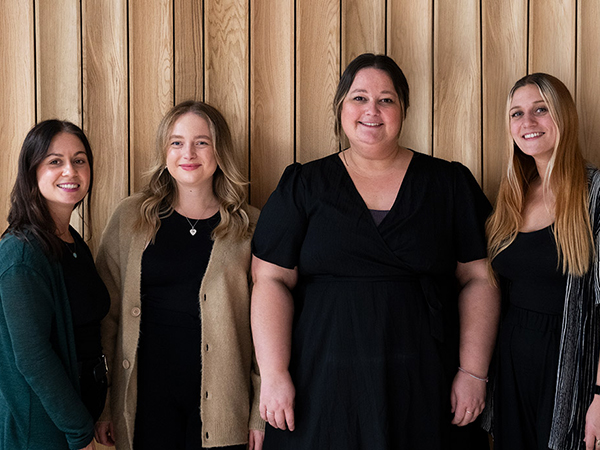
Call us for a chat about our holidays. We are happy to discuss your holiday and help in any way we can. No bots, queues or awful hold music.

01273 823 700
Call us until 6pm
Calling from outside the UK

Food, shopping & people
Eating & drinking in Ghana
Think carb-heavy: staples include fufu (mashed cassava and plantain), banku and kenkey (both sour, fermented corn dough) – which are eaten with the right hand, and used to mop up (very) spicy stews.
Akpeteshie is the local homebrew – usually distilled palm wine or sugarcane juice. It’s super cheap and unbranded – as it is brewed and then poured into reused glass bottles. Go very easy if you’re not used to it.
Red red is a tasty, black eyed bean stew that gets its name from bright red palm oil. It’s a wholesome option for vegetarians, often served with spiced, sweet plantain called kelewele.
Akpeteshie is the local homebrew – usually distilled palm wine or sugarcane juice. It’s super cheap and unbranded – as it is brewed and then poured into reused glass bottles. Go very easy if you’re not used to it.
Red red is a tasty, black eyed bean stew that gets its name from bright red palm oil. It’s a wholesome option for vegetarians, often served with spiced, sweet plantain called kelewele.
Knowing a Ghanaian’s first, middle and surname can tell you a lot about them, including the day they were born, their birth order, whether they are a twin, and their tribe.![]()
People & language
Ghana is the same size as the UK and the official language is English – but there the similarities end. Estimates for the number of languages (plus dialects) spoken in Ghana range from 40 to 200+, and you’ll see the cultural differences as you travel around the country. The Twi-speaking Ashanti are the largest group. The Dagomba live in the north, and are largely Islamic. Other tribes include the Ewe of the Volta Region, Ga around Accra, and Frafra, in the far north. Many people speak more than one tribal language, and English is widely spoken by younger people and in urban areas.
“Etesen?” “Me ho ye”– “How are you?” “I am well” (Twi)
“Akpe” – “Thank you” (Ewe)
“Tuma tuma!” – “Work work” , to greet someone who is working (Frafra)
“Etesen?” “Me ho ye”– “How are you?” “I am well” (Twi)
“Akpe” – “Thank you” (Ewe)
“Tuma tuma!” – “Work work” , to greet someone who is working (Frafra)
Gifts & shopping
Lengths of batik fabric, woven kente cloth strips and printed cotton (traditional adinkra or more modern “fancy prints”) are widely available and incredibly cheap across Ghana. If you’re going to be somewhere for a few days, take a length to a seamstress and she can tailor a shirt, dress or tunic.
Visit the Trashy Bags store in Accra to buy gorgeous folding shopping bags, purses, wallets and laptop covers made from cleaned and recycled plastic waste.
Shea butter is produced in Ghana, often by women’s cooperatives. Visit the producers, learn how it is made and buy some raw shea butter – or buy scented shea butter soap and other toiletries in Accra’s Global Mamas store.
Visit the Trashy Bags store in Accra to buy gorgeous folding shopping bags, purses, wallets and laptop covers made from cleaned and recycled plastic waste.
Shea butter is produced in Ghana, often by women’s cooperatives. Visit the producers, learn how it is made and buy some raw shea butter – or buy scented shea butter soap and other toiletries in Accra’s Global Mamas store.
Ghana’s currency is the cedi – an Akan word meaning “cowry shell”. Shells were used in place of cash for many centuries, having been brought by Arab traders from the Indian Ocean.![]()
A brief history of Ghana
For a very brief history of Ghana, just take a look at its flag. It proudly flies the Pan-Africa colours of red, gold and green, along with a black star – the nickname of the country’s national football team, a nod to black activist Marcus Garvey’s Black Star Line, and the emblem of African emancipation. The flag was created in 1957 – the year in which Ghana gained independence from Britain (it was the first country in sub-Saharan Africa to gain independence), and the red stripe stands for the blood of those who died in the struggle against colonialism. The gold represents Ghana’s mineral wealth – it is Africa’s largest gold producer – and green its wealth of nature.
Ghana is made up of dozens of tribes – and many share more cultural characteristics with their neighbours in Burkina Faso or Togo, for example, than with other tribes in Ghana. People have migrated to this fertile land for millennia, travelling down from the Sahara, across from Nigeria, and from the ancient Empire of Ghana – which, interestingly, did not comprise any of modern Ghana, but instead covered parts of modern-day Mali, Mauritania and Senegal. The king of this empire was called a “Ghana”, meaning “warrior king”, and when the first Muslim explorers arrived here in around the 9th century AD, they used the word to describe the region. They were impressed by the amount of gold and the incredible organisation of the empire. Read more
Ghana is made up of dozens of tribes – and many share more cultural characteristics with their neighbours in Burkina Faso or Togo, for example, than with other tribes in Ghana. People have migrated to this fertile land for millennia, travelling down from the Sahara, across from Nigeria, and from the ancient Empire of Ghana – which, interestingly, did not comprise any of modern Ghana, but instead covered parts of modern-day Mali, Mauritania and Senegal. The king of this empire was called a “Ghana”, meaning “warrior king”, and when the first Muslim explorers arrived here in around the 9th century AD, they used the word to describe the region. They were impressed by the amount of gold and the incredible organisation of the empire. Read more
More Ghana articles

October to March is the best time to visit Ghana, when the climate is marginally cooler and less humid.

Whether you’re seeking cultural immersion, wild elephant encounters or a rainforest canopy walk.

Our tour operators have provided their top Ghana travel advice, from where to go to what to eat – and where to see hippos!

Responsible tourism in Ghana is about respecting local people, customs and beliefs.


