Ultimate Uganda, small group tour
Price
£5995excluding flights
More info
Price based on 2 sharing.
The price is subject to change with exchange rate and flight cost fluctuations.
The price is subject to change with exchange rate and flight cost fluctuations.

Description of Ultimate Uganda, small group tour
Price information
£5995excluding flights
Price based on 2 sharing.
The price is subject to change with exchange rate and flight cost fluctuations.
The price is subject to change with exchange rate and flight cost fluctuations.
Check dates, prices & availability

Travel guides

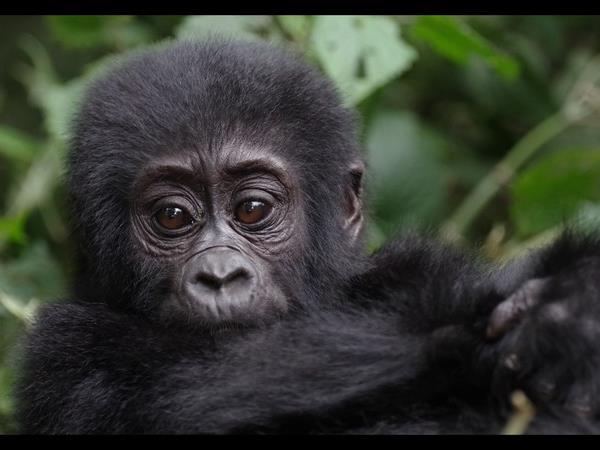
This guide attempts to capture why this is considered by many to be one of the most magnificent wildlife safaris in the world.

So much more than just mountain gorillas - our travel guide is your ultimate resource for Uganda.
Reviews
1 Reviews of Ultimate Uganda, small group tour
4 out of 5 stars
Reviewed on 01 Oct 2025 by Brigid Isenor
1. What was the most memorable or exciting part of your holiday?
Being able to walk among the animals; rhinos, giraffes, zebra and chimpanzees. I didn't go on the gorilla tracking.
2. What tips would you give other travellers booking this holiday?
Take cash. The Ugandan banks and ATMs wouldn't take our credit cards, though they worked in the hotels.
3. Did you feel that your holiday benefited local people, reduced environmental impacts or supported conservation?
Yes. The National Parks have improved enormously since my first visit in 1994 due to the emphasis on conservation and tourism.
4. Finally, how would you rate your holiday overall?
Excellent.
Responsible Travel
As the pioneers of responsible tourism, we've screened this (and every) holiday so that you can travel knowing we've worked to maximise the benefits of your holiday to local people and places, and minimise any negative impacts.
Planet
CARBON REDUCTION1) We ensure our guides are mindful about protecting the environment in which you travel, and they do a fantastic job of promoting having a minimum impact to the environment whilst travelling. We ask you to be vigilant about disposing of your waste and recycle where possible. During your trip you will be asked if you have any waste to dispose of when it is a suitable time in the itinerary. This ensures we make it as easy as possible for our travellers to be eco-friendly whilst traveling.
2) We walk extensively in pursuit of wildlife and remote wilderness. While taking motorised transport to trailheads and park entrances in unavoidable, the tour has been fashioned in such a way as to maximise leg power (walking safaris in Mburo, tracking chimps and mountain gorillas on foot, etc).
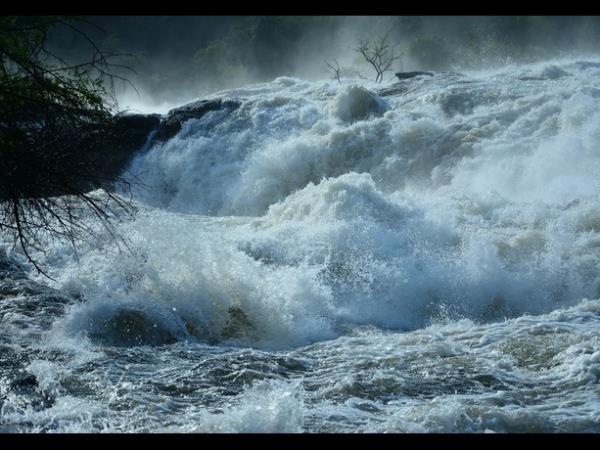
3) We go by boats using small outboard engines on 3 occasions throughout this tour. From Murchison Falls to Wanseko along Lake Albert, in a fishing boat; in the Kazinga Channel, on day 5, and to the foot of Murchison Falls on day 3. These boat engines burn perhaps 1lt per hour at most.
4)In terms of flying internally, all travel to be done using fuel efficient Land Cruiser 4WD, and human-powered locomotion. Extensive sightseeing on foot is done in Bigondo, Bwindi, Kibale and Mburo.
ENVIRONMENT AND WILDLIFE
1) On this Uganda tour, we have designed the programme to deliver environmental benefits. Firstly, through accommodation. The lodges we use - Kasenyi, Twiga, Amuka, Turaco, and Lake Albert, are all constructed using locally-sourced woods and mudbrick in a time-honoured fashion. Tools used in the construction would tend to be non-mechanised. Very little is transported from great distance. The concept behind them is to create something inconspicuous, which serves to provide shelter without jarring too much with the natural setting. As guests are there for the wilderness experience, much has been done to maintain the openness of the lodge to receiving passing wildlife.
2) Restoration of nature and genuine conservation is carried out throughout Uganda's long-established park system. Ziwa rhino sanctuary is the more prominent example of this. This private sanctuary protects the only surviving population of southern white rhino, and all proceeds from visitors feed back into the enormous costs of looking after these enormous creatures.
3) Much of the cost of trekking permits at Kibale, Bwindi, Murchison and Mburo go back into the park system, acting a financial bulwark against external human pressures on park boundaries, which threaten to infiltrate them.
4) With a wild population of circa 5,000, Uganda boasts the largest troops of chimpanzees known. Having the huge forest of Kibale as a protected sanctuary ensures that chimps do not fall prey to the insidious bushmeat trade. Our presence there reinforces that promise to protect them by protecting their habitat.
People
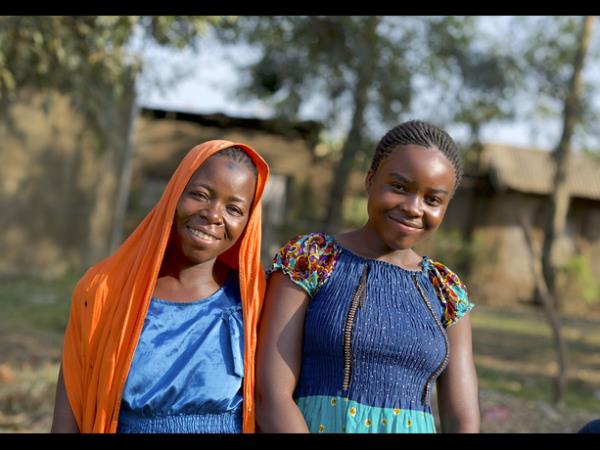
This Uganda tour is as much a journey into a human landscape as it is a natural one. The tour strikes a balance between wildlife watching and rural sustainable development.LOCAL ECONOMY
1) Masindi mango farm, where we stop, is a collective venture of the subsistence farming community in Masindi to find ways of generating local economy by processing mangoes into juice to sell to a larger market.
2) We go to Masaka to see how a nationally-owned cooperative produces coffee. Their stated aim is to improve farming through improved methods of agriculture and land utilisation. Here we can see how Uganda can resist MNCs by coming together to produce coffee through less-intensive methods, and to subsidise its market value so as to make it affordable and unattractive to international competitors.
3) At Bigodi Swamp (day 6), guests nurture a community initiative that not only extols conservation for myriad swamp-dwelling species, but also redistributes the proceeds from the guided boardwalk back into the village.
EMPLOYMENT, INCLUSIVITY AND DIVERSITY
1) The Masaka coffee cooperative has brought not only employment, but hope to a rural area that otherwise would be beset with same dearth of employment as elsewhere, forcing locals to migrate to the capital in search of work. The supply chain from growing to roasting to grounding coffee is extensive, involving a number of locally-employed individuals.
2) Our staff and accommodation providers all originate from Uganda. As all tour logistics are staffed by local Ugandans, employment opportunities are enhanced. A 10-day tour may involve a native support staff of between 20-40, given the fact that there's 5 different lodges, and multiple wildlife guides and national park support staff. Our small-scale choice of lodges have little affiliation with outside investors, unlike elsewhere in Africa.
3) Masindi's mango farm is a cooperative venture aimed at finding new improved methods to make farming fruit a viable means of income, supporting not only an existing population of subsistence farmers, but their offspring, too. The production of an comestible product (mango juice), is then sold on, giving vendors an opportunity to make a living too.
4) At Kibale, we learn from local community members about their ways of life, of preparing food, etc. This fosters intercultural understanding, a hallmark of our philosophy toward travel in the developing world. Inclusivity and diversity are other hallmarks of putting on such a natural 'performance' for visiting tourists.
5) Locally-sourced and Ugandan-educated nature guides are on hand to assist and educate everywhere from Murchison Falls to Bwindi. Reducing human impact is a recurring theme throughout all wilderness guided excursions. The prevailing policy among parks and, indeed, our local partners, is to engender a sense of the vulnerability of the natural surroundings by bringing the traveller face to face with them.
Popular similar holidays

Uganda wildlife and conservation tour
From £2595 9 days excluding flights
Discover the wonders of Uganda & its extraordinary wildlife

Tailor made gorilla and chimp tracking safari, Uganda
From £2400 4 days excluding flights
The Ultimate Primate experience in the Jungle

Gorilla and game safari in Uganda
From US $5090 10 days excluding flights
The great Silverback Gorilla & wildlife all in one package