Our Yunnan holidays & tours
Our Yunnan holidays offer you an intoxicating mix of vibrant nature, snowbound peaks that extend towards Tibet, and ancient towns that feel as if they have remained unchanged for centuries. This southwestern province, known for its varied landscapes and many ethnic communities, is an unparalleled destination in which to hike or cycle, your vista changing with every twist and turn you make. And then there are the rural, deeply traditional villages whose inhabitants still abide by ancient ways of life. Our local guides provide fascinating insights into these places, as can simply spending a night in a locally run hotel or guest house. And for a really immersive experience you can enjoy a homestay in a Mosuo household, learning about this community’s unique traditions from ‘walking marriages’ to how their history is passed down orally through the generations.
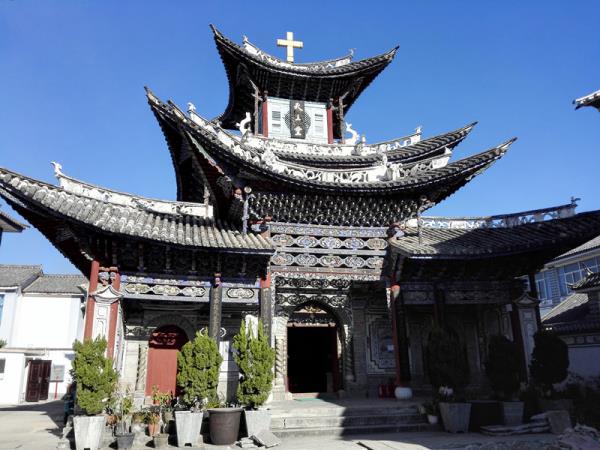
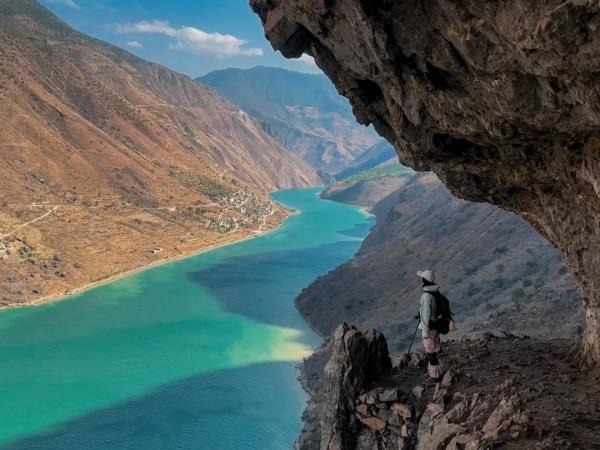
Yunnan trekking holiday in China, tailor made
Off the beaten track trip
From
US $2083 to US $2717
10 days
ex flights
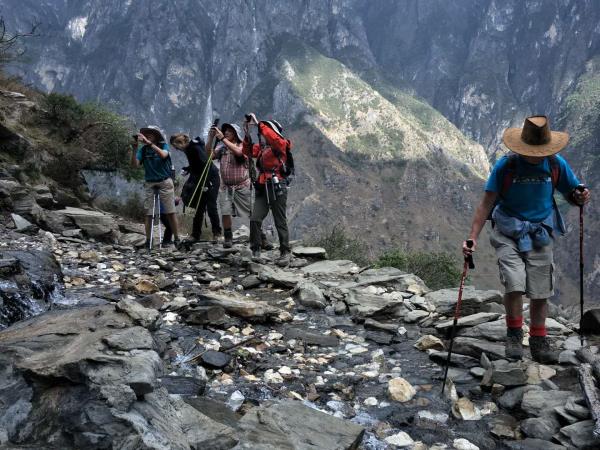
Trekking in Yunnan, Dali to Lijiang, China
from Dali to Lijiang with off the beaten track trip
From
US $1957 to US $2416
9 days
ex flights
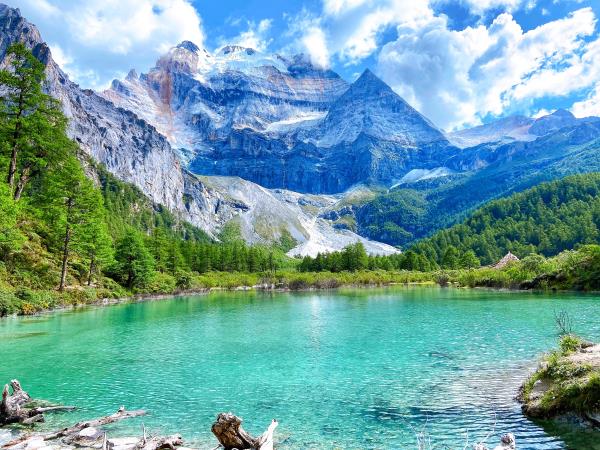
Yunnan 10 day cultural tour in China
Explore Meili, Yading peaks and ancient salt wells.
From
US $1599
10 days
ex flights
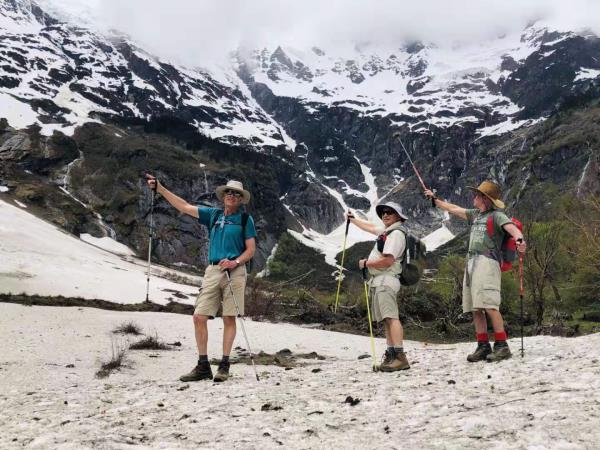
Yunnan trekking holiday, Mt Meili to Cizhong
Trekking Mt. Meili Inner Kora and Mengkong Gorge
From
US $2769 to US $2879
13 days
ex flights
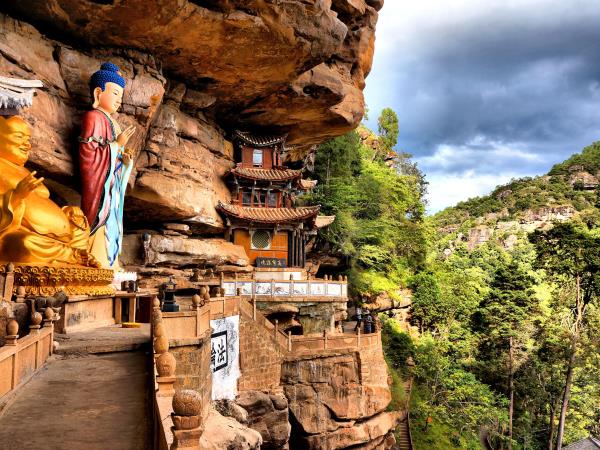
Yunnan walking & culture tour in China
Dali, Wei Shan, Nuodeng, Shibao Shan, Zhongdian, Lijiang
From
US $1964 to US $2387
9 days
ex flights


Contact Us
Call us for a chat about our holidays. We are happy to discuss your holiday and help in any way we can. No bots, queues or awful hold music.

01273 823 700
Call us until 6pm
Calling from outside the UK



Yunnan map & highlights
Yunnan is big – it’s the third largest province in southwestern China, so travelling around can be time-consuming, especially given its topography: 94 per cent mountainous with high elevation in the northwest and low in the southeast. The main roads across Yunnan are in a much better condition than many would expect and, in typical Chinese form, development is never far away, so expressways are popping up regularly. The rail network is OK, but on an organised tour you’ll get around by road in a private vehicle, the longest stint of which is likely to be Lijiang to Shangri-La (roughly six hours). Otherwise, you’ll be walking, hiking, or cycling, so there’s plenty of fresh air thrown in too.
1.
Dali
2. Kunming
3. Lijiang
4. Nuodeng Village
5. Shangri-La (formerly Zhongdian)
6. Shaxi
7. Tiger Leaping Gorge
8. Yangtze River
2. Kunming
3. Lijiang
4. Nuodeng Village
5. Shangri-La (formerly Zhongdian)
6. Shaxi
7. Tiger Leaping Gorge
8. Yangtze River
Dali
1. Dali
Interestingly, Dali is where the Chinese go to get away from it all. A curious blend of old China – as witnessed by the indigenous and rather bohemian Bai population who live peacefully beside Yi and Muslims – and western trappings in the form of commerce and beer gardens for backpackers, Dali’s scenery of shimmering lakes, clouded mountains and emerald-green valleys is its greatest asset.
Kunming
2. Kunming
The ‘City of Eternal Spring’, Kunming’s climate is always mild, and, sat high above sea level in the Tibetan Plateau, such mildness extends to its laid back personality too. On the one hand, it’s a natural wonderland of red hills blanketed by bright yellow in spring and rich gold in autumn, and on the other, its bustling streets attract spenders from far and wide keen to shop in its lively markets.
Lijiang
3. Lijiang
Just 200km from Tibet, Lijian is a sparsely populated city with an endless checklist of charming attributes – the Jade Dragon Snow Mountain; trickling streams flanked by green forest and pastoral stone bridges; snaking cobbled alleys – it has them all; sadly, this comes at a price and its cultural value has begun to be measured by the tourist dollar, but pockets of traditional heritage do remain.
Nuodeng Village
4. Nuodeng Village
Built on a steep slope above salt wells, Nuodeng Village dates back more than 1,000 years. Fulfilling every imagined picture of ‘ancient China’, it is a wonderful snapshot of a bygone age characterised by hand-stacked cobbled steps, incredibly preserved Buddhist and Taoist temples, centuries-old residential housing made of red rammed-earth, and treasured heritage among the locals.
Shangri-La (formerly Zhongdian)
5. Shangri-La (formerly Zhongdian)
You can’t really be called ‘Shangri-La’ and not be pretty darn special and this Shangri-La, which translates from Tibetan (Gyalthang) to ‘land of sacredness and peace’, is exactly that. Remote and simply stunning, it is a place of idyllic beauty: alpine lakes, dense forest, verdant grassland flecked with purple flowers, and spellbinding monasteries tucked high in the misty mountains.
Shaxi
6. Shaxi
With barely any tourist presence whatsoever, everything in the historical market town of Shaxi is a glorious slice of old-world East: the temples, houses, wells, bridges and even trees here can all be correctly prefixed by the word ‘ancient’ – even the incredible old bazaar, which was once a busy trading caravansary, remains unchanged and is an atmospheric puzzle of alleyways and village-gates.
Tiger Leaping Gorge
7. Tiger Leaping Gorge
One of China’s most spectacular hiking trails, Tiger Leaping Gorge is a commanding 16km-long, 3,000m deep canyon that lies high above the ceaseless roar of the Yangtze River. One of the deepest gorges in the world, it is a UNESCO-protected hotspot of snow-capped peaks, rushing waterfalls and foliage in every shade of green, which (despite high altitude) offers pretty straightforward walking.
Yangtze River
8. Yangtze River
The aquatic equivalent of China’s Great Wall, the Yangtze is a twisting, turning hotbed of scenery and culture that stretches from remote mountain plains through canyon gorges and into fertile regions where other lakes connect. There are picturesque villages nestles into deer river bends, astounding views from the cliffs it runs beneath, and riverside roads to cycle or trek.
Our Yunnan holidays reviews
4
2Yunnan holidays reviews
Wendy Barton10 Aug 2018
The most memorable part of the holiday was getting to climb down to the Yangtze River in the Middle Gorge and experience the power of the river. read more
Debby Zweibach22 Jul 2018
There were many memorable moments which included extraordinary vistas such as the glacier melting into streams and then the lake, challenging hikes in
high altitudes, interesting meetings with local minority people, learning about different religions, customs and beliefs of the people. read more