Zimbabwe family safari


Description of Zimbabwe family safari
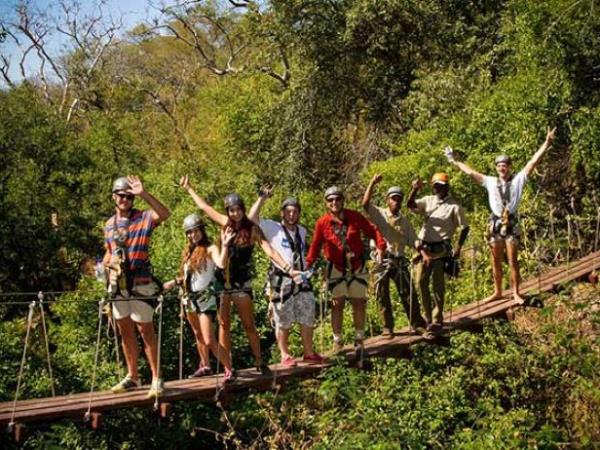
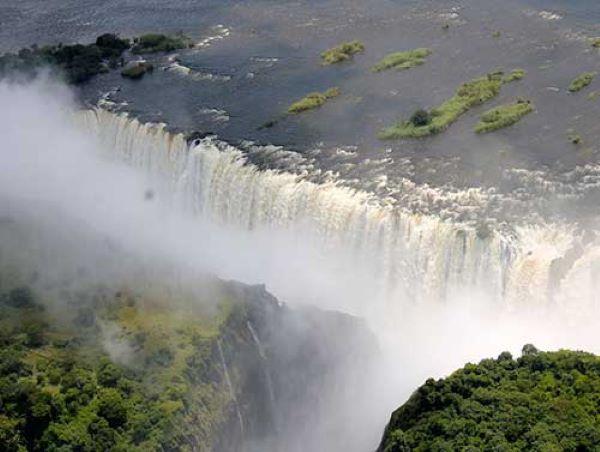
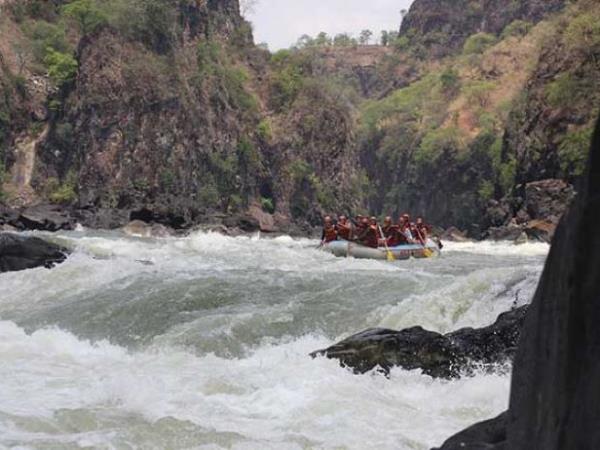
This is an ideal Zimbabwe safari for a family with teenagers, taking you to one of Africa’s less-visited safari destinations. Your wildlife watching in Hwange National Park can be complemented by the fascinating rock art sites of the Matobo Hills, and exciting activities around Victoria Falls such as white water rafting, kayaking and zip-lining.
With three nights in each destination across this 10-day Zimbabwe family holiday, you won’t feel as if the pace is too rushed. Indeed, on arrival in Victoria Falls you’ll meet up with a brilliant local guide who will take you around their community. They’ll show you the incredible waterfall – ‘the smoke that thunders’ – and then take you on a little tour suited to your interests, whether that be art galleries, shopping, or a trip to a township. One evening you’ll travel to a township for a traditional meal cooked over an open fire. Experiences like this are what make this holiday really stand out from other safaris, and give you a much deeper insight into Zimbabwean culture.
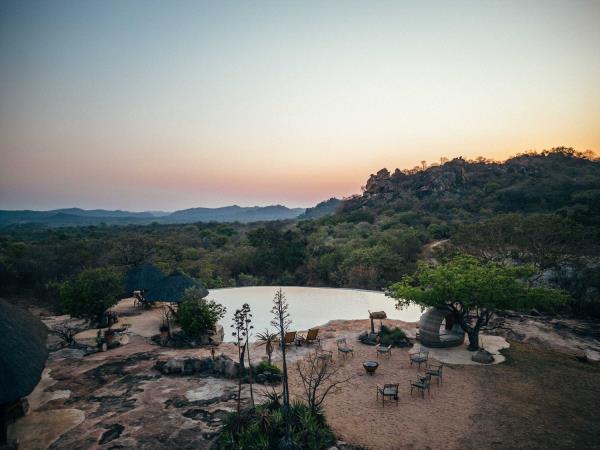
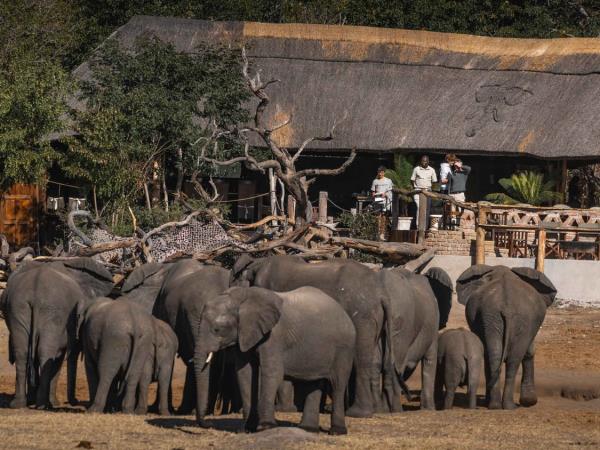
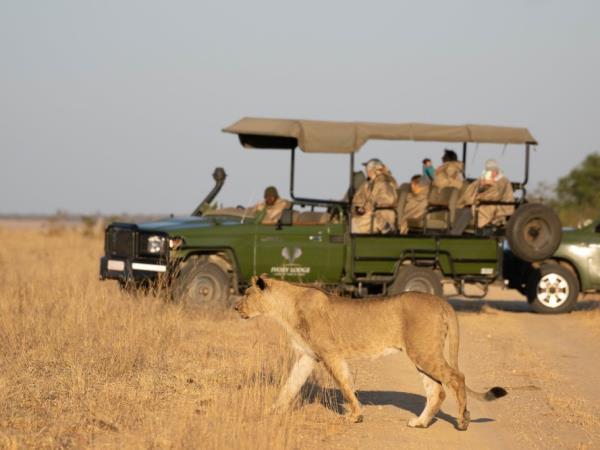
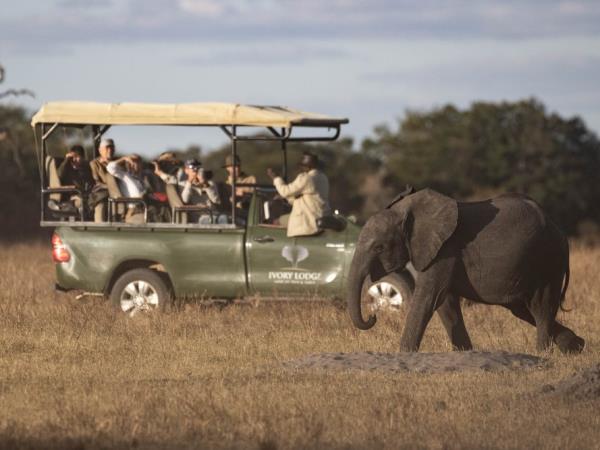
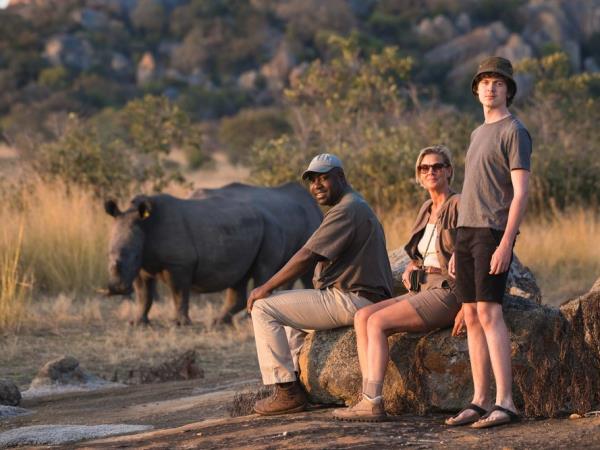
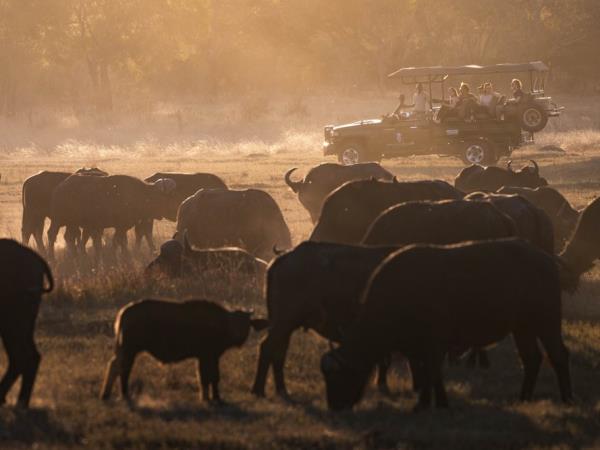
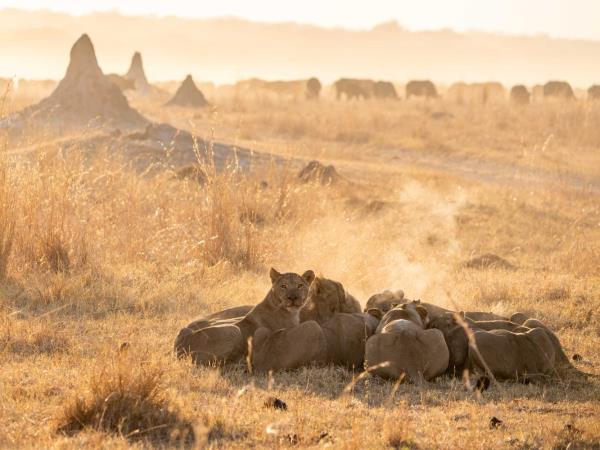
You can take this trip at any time of year, but the winter months (April to October) are most recommended. During this period, seasonal water pans dry out, and so the wildlife in Hwange instead congregates around artificially pumped water sources, leading to some impressive sightings. Along with elephants, the park is home to wild dogs, lions, leopards and cheetahs. Staying in a remote lodge immersed in its natural environment, you’ll enjoy game drives as well as visits to wildlife hides (better suited to older teens with more patience). In the Matobo Hills, a rhino breeding area, you’ll also have the opportunity to track these magnificent creatures on foot.
You’ll stay in locally owned and operated lodges throughout this tour. These properties are chosen not only for the quality of accommodation they offer, but also their commitment to nature and their communities. Your holiday financially contributes to the projects they support, from helping local women to start bee-keeping businesses, to providing impoverished families with goats.
Price information
Departure information
Travel guides


Holiday information
Responsible Travel
Planet
CARBON REDUCTIONThis trip avoids flying internally within Zimbabwe, instead using overland transport to access each remote area.
The trip promotes human powered activities and transport: walking safaris, rhino tracking on foot, cycling trips to local villages, white water rafting, etc.
All food is locally sourced from local villages, generating income to local farmers and villages.
ENVIRONMENT AND WILDLIFE
Suppliers on this safari are actively involved in promoting responsible tourism and engaging in conservation efforts, to strive to create a positive impact on the regions they operate in. They are involved in a number of projects, which are supported from tourism income, including:
- establishing impactful, long-term conservation initiatives. These efforts encompass research projects, educating youth about the value of natural resources, backing anti-poaching measures, and addressing wildlife-human conflicts. The urgent need to restore harmony between wildlife and humanity has become increasingly critical due to the escalating threat it poses to conservation in Africa.
- A team of 8 men and 6 women conduct anti-poaching patrols along the concession bordering Hwange National Park. Since 2012, they have removed over 7000 snares. Covering an average distance of 180km on foot and 10km by vehicle each month, their efforts extend beyond protecting the concession, as there is no fence separating it from the park. Their presence significantly contributes to safeguarding the wildlife in the area, ensuring their safety and survival.
- sponsoring educational trips for students from disadvantaged rural schools. These trips include guided visits to the National Park, rhino tracking, bird-watching, tree identification, and other activities that help children learn about and appreciate the importance of our natural resources. Local rangers, conservation agents, and professional guides share their knowledge of the local flora and fauna, educating rural children on environmental conservation practices.
For many children, these trips provide their first exposure to Zimbabwe's wildlife. By connecting local communities with nature, we foster a deeper appreciation for the natural world. Ultimately, this leads to a greater understanding of the benefits of conserving and cherishing our wildlife and environment.
- addressing wildlife-human conflict in the Hwange area by constructing lion-proof cattle bomas. To date, they have built over thirty permanent bomas, providing protection for up to 120 cattle. These specially designed bomas effectively safeguard the cattle from nighttime lion attacks. Each small lion-proof boma, accommodating up to 20 cattle, costs $600, and they plan to construct more in the areas most affected by the conflict along the border of Hwange National Park.
As the dawn breaks, Zimbabwe's wild beauty will endure, and the village cattle herds will thrive in harmony with wildlife. The expansion of lion-proof bomas will help achieve this vision.
People
LOCAL ECONOMYThe lodges featured in this itinerary are locally owned and managed. Furthermore, they are actively involved in empowering communities: examples include:
- introducing a sustainable project for child headed families and the needy in local communities. The Goat Gift Project entails a gift of goats to a family. Once the goats reproduce the initial goats are donated to another family. Goats are ideal for drought prone areas. They reproduce quickly and can free a family from the dependence cycle. Once they multiply, a struggling family can sell some of their goats to pay school fees or use the money to buy basic commodities.
- creating income-generating opportunities in rural areas. In collaboration with the Mabale Community, they are working on beekeeping initiatives to provide women with an alternative to relying solely on remittances. This project not only generates income but also equips women with skills to process honey into valuable products such as wax, soap, and body lotion. The honey is harvested sustainably to protect the endangered bee population. Additionally, the lodges act as both a partner and a market for the project, promoting a farm-to-table approach. The honey produced will be utilized at the lodges. The funds generated from this initiative are crucial in the ongoing fight against poverty within the Mabale community.
EMPLOYMENT, INCLUSIVITY AND DIVERSITY
The lodges actively employ people from the local community, but are also involved in many projects through a Trust which promotes inclusivity,diversity and education for future employment. For example:
- Their Academic Scholarship programme offers full funding to deserving students from identified rural communities. The programme aims to support children who have not had the same educational benefits or opportunities in life as others. To date, the Trust has awarded 15 fully funded scholarships… their mission is to change Zimbabwe one person at a time, with the belief that education brings hope; education inspires, enables and impacts entire communities.
- Women in Zimbabwe often face significant inequality. The Trust is committed to promoting equal opportunities, which is why they wholeheartedly support the basket weaving project with the women of Siyanyanga. Their beautifully crafted baskets are not only stunning but also worth every penny. They urge everyone to show their support for these hardworking women by purchasing their decorative baskets. The women of Siyanyanga have encountered numerous obstacles, including traveling long distances to obtain the material for their baskets and lacking the necessary dyes. In response, the Trust has taken action by establishing an ilala plant garden to provide easier access to materials and ensure sustainable harvesting.
- The mushroom project provides a solution to the rising cost of meat by offering mushrooms as a substitute. This initiative also serves as a reward for female goat herders who demonstrate excellent holistic goat herding practices. These women are able to cultivate mushrooms while tending to their goats, aiming to generate both sustenance and income for their households. Furthermore, the project contributes to the achievement of Sustainable Development Goals by addressing hunger and malnutrition.
Popular similar holidays

Zimbabwe & Botswana game tracker safari
From €3180 16 days excluding flights
A lodge safari through Kruger, Zimbabwe & Botswana

Zimbabwe safari holiday, tailor made
From £6295 8 days excluding flights
Safari combining some of the most diverse areas of Zimbabwe

Zambia and Zimbabwe adventure holiday
From €2090 15 days excluding flights
Zambia & Zimbabwe's wonders: Falls, wildlife, history